
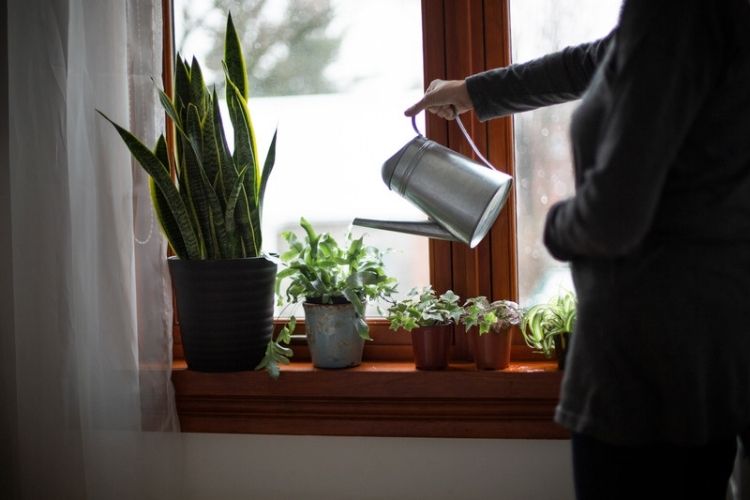
Proper watering is essential for the health and vitality of your houseplants. Establishing a consistent watering schedule ensures that your plants receive the right amount of moisture to thrive. Without a proper watering schedule for houseplants, they can suffer from dehydration or root rot, leading to wilting leaves and stunted growth. By understanding the specific needs of each plant in your collection, you can create a watering routine that promotes strong root development and lush foliage. Stay tuned for tips on how to tailor your watering schedule to meet the needs of your beloved houseplants!
Houseplant Watering Schedule Guide
| Plant Type | Indoor Location | Watering Frequency | Watering Method | Additional Tips |
|---|---|---|---|---|
| Succulents | Direct sunlight | Every 2-3 weeks | Bottom watering | Avoid waterlogged soil |
| Ferns | Shaded area | Once a week | Top watering | Mist leaves for humidity |
| Spider Plants | Indirect sunlight | Every 10 days | Top watering | Trim brown tips regularly |
Establishing a Watering Schedule for Houseplants
When it comes to ensuring the health and vitality of your houseplants, establishing a proper watering schedule is crucial. Factors to consider include the type of plant, the potting mix used, the climate in your area, and the season. Take note of the plant’s specific water requirements and adjust your watering schedule accordingly. Be mindful of the moisture levels in the soil and avoid overwatering, as this can lead to root rot. By creating a consistent watering routine, you can help your houseplants thrive and flourish.
Key takeaways:
1. Consider factors such as plant type, potting mix, climate, and season when establishing a watering schedule.
2. Understand the specific water requirements of each plant and adjust watering frequency accordingly.
3. Monitor soil moisture levels to prevent overwatering and root rot.
4. Create a consistent watering routine to help your houseplants thrive and flourish.
Signs That Your Houseplants Need Watering
When it comes to keeping your houseplants happy and healthy, knowing when to water them is crucial. One of the most common signs that your plants need watering is dry, crumbly soil. Simply stick your finger into the soil about an inch deep – if it feels dry, it’s time to water. Wilting leaves, yellowing or browning of the foliage, and drooping stems are also indicators that your plants are thirsty. Additionally, some plants, like succulents, may show signs of dehydration by becoming shriveled or wrinkled. Paying attention to these cues will help you establish a successful watering schedule for your beloved green friends.
Best Times to Water Houseplants
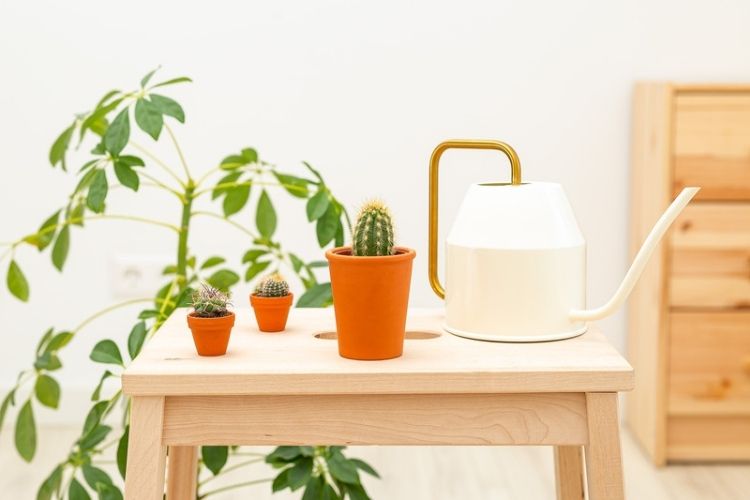
When it comes to establishing a proper watering schedule for houseplants, timing is everything. The best practice is to water your green companions in the morning, allowing them to absorb the moisture throughout the day. This mimics their natural environment, where they would typically receive dew in the morning. Avoid watering in the evening as excess moisture can linger and lead to fungal growth. Remember, consistency is key when it comes to maintaining a healthy watering schedule for houseplants. So, set a routine that works for you and your leafy friends to ensure they thrive.
Techniques for Watering Houseplants
When it comes to watering your beloved houseplants, it’s essential to do it right to keep them thriving. One effective technique is to water your plants at the base, near the roots, rather than pouring water directly onto the leaves. This helps prevent moisture-related diseases and ensures that the water reaches the plant’s roots where it’s needed most. Additionally, consider using a watering can with a long spout to provide a gentle and precise stream of water, avoiding unnecessary splashing and ensuring even distribution. Remember, a little goes a long way when it comes to watering—don’t drown your plants!
Overwatering vs Underwatering: How to Avoid Both
Finding the right balance when it comes to watering your houseplants is crucial for their health and longevity. Overwatering can lead to root rot and other issues, while underwatering can cause dehydration and stunted growth. To avoid these pitfalls, it’s essential to establish a consistent watering schedule for your houseplants. Take the time to observe your plants and understand their individual needs. By paying attention to signs like wilting leaves or dry soil, you can adjust your watering schedule accordingly. Remember, consistency is key when it comes to keeping your houseplants happy and thriving.
Read also about: Discover the Secrets to Growing Delicious Mushrooms
Adjusting Watering Schedule for Different Types of Houseplants
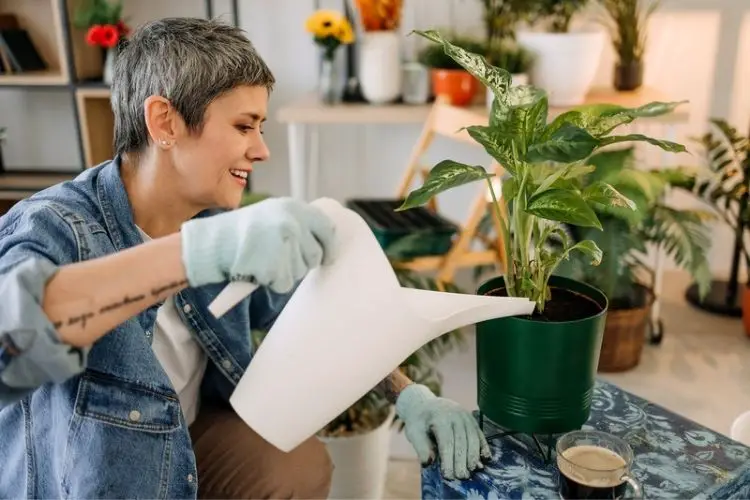
When it comes to watering your houseplants, one size does not fit all. Different types of houseplants have varying needs when it comes to watering. Succulents, for example, prefer to dry out completely between waterings, while tropical plants like to be consistently moist. It’s essential to research the specific watering requirements of each plant in your collection to ensure they thrive. By adjusting your watering schedule based on the individual needs of your houseplants, you can prevent issues like overwatering or underwatering and help your plants flourish. Remember, a little extra effort in understanding your plants’ preferences can go a long way in keeping them happy and healthy.
FAQs about Watering Schedule for Houseplants
How often should I water my houseplants?
Finding the perfect watering schedule for your houseplants can be a bit of trial and error. Factors to consider include the type of plant, the size of the pot, the season, and the environment it’s in. A good rule of thumb is to stick your finger about an inch into the soil – if it feels dry, it’s time to water.
What time of day is best to water houseplants?
Mornings are generally the best time to water your houseplants. This allows them to absorb the water throughout the day when they are most active. Avoid watering in the evening as it can create a damp environment that may promote mold growth.
How much water should I give my houseplants?
The amount of water your houseplants need can vary depending on the plant type and size. It’s important not to overwater, as this can lead to root rot. Water the plant until you see water coming out of the drainage holes, then make sure to empty the saucer to prevent waterlogging.
Are there any signs that my houseplant needs water?
Yes, there are several signs to look out for. Wilting leaves, dry soil, and yellowing leaves can all indicate that your plant needs water. However, it’s essential to get to know your plant’s specific needs and habits to ensure you’re meeting its watering requirements.
Should I stick to a strict watering schedule for my houseplants?
While having a general watering schedule can be helpful, it’s crucial to pay attention to your plant’s individual needs. Factors like temperature, humidity, and sunlight can all affect how often your plant needs to be watered. Adjust your watering routine accordingly.
Can I water my houseplants with tap water?
Tap water can be used for most houseplants, but some plants are sensitive to chemicals like chlorine and fluoride found in tap water. Allow tap water to sit out for 24 hours before using it on your plants to allow any chemicals to dissipate. Alternatively, you can use filtered water or rainwater.
How can I create a watering schedule for multiple houseplants?
Creating a watering schedule for multiple houseplants can be challenging but is essential for their well-being. Group plants with similar watering needs together and consider investing in self-watering pots or a timed watering system to make the process more manageable.
Conclusion
Finding the right watering schedule for your houseplants is a crucial part of keeping them healthy and thriving. Remember to observe your plants closely, adjust your watering routine as needed, and always prioritize their individual needs. With a little patience and care, you’ll soon become a pro at keeping your houseplants happy and hydrated.
Also Read: Tips for Growing Healthy Microgreens at Home