
Learn how to grow microgreens at home with easy steps and expert tips. Discover the best methods for planting, caring for, and harvesting microgreens to enjoy fresh, nutrient-packed greens year-round.
What are Microgreens?
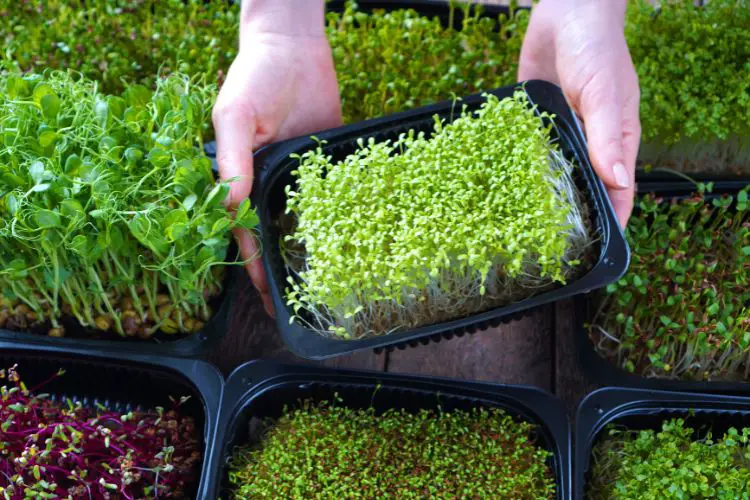
Microgreens are young, edible greens that are harvested at an early stage of growth, typically when the first true leaves have developed. These tiny, vibrant greens are packed with flavor and nutrients, making them a popular choice for adding a fresh and healthy touch to meals. Microgreens are known for their distinct flavors, colors, and textures, and they are often used as a garnish or as a key ingredient in salads, sandwiches, and smoothies.
Some popular types of microgreens include broccoli, radish, arugula, kale, and sunflower. These varieties offer a range of flavors, from mild and sweet to spicy and tangy, adding depth and complexity to dishes. In addition to their delicious taste, microgreens are also prized for their nutritional benefits. Studies published in the Journal of Agricultural and Food Chemistry have shown that microgreens can contain higher concentrations of vitamins, minerals, and antioxidants compared to their mature counterparts, making them a valuable addition to a healthy diet.
Getting Started with Growing Microgreens
Choosing the right seeds for microgreens
When it comes to growing microgreens, the first step is to select high-quality microgreen seeds. You can find a wide variety of microgreen seeds, such as broccoli, radish, and kale, available for purchase online or at your local gardening store. It’s essential to choose seeds that are specifically labeled for microgreen production to ensure the best results.
Selecting the appropriate growing containers
For growing microgreens at home, you’ll need shallow containers with drainage holes to allow excess water to escape. Drip trays or shallow plastic trays work well for this purpose. You can also repurpose containers like shallow food storage trays or seedling trays to create an ideal growing environment for your microgreens.
Preparing the growing medium
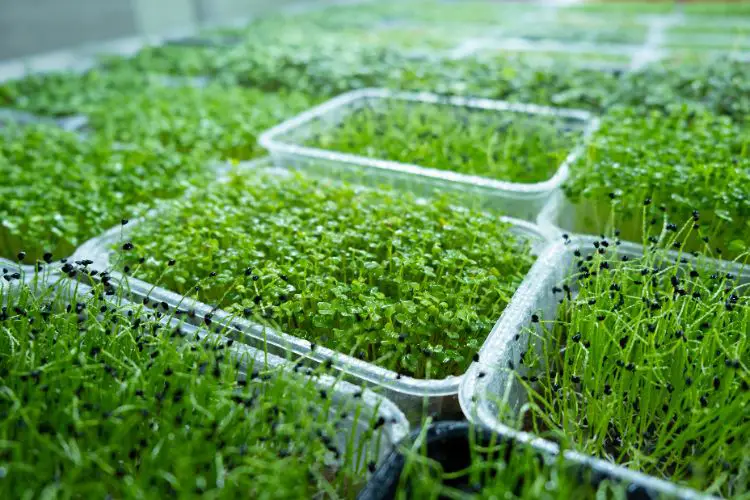
The growing medium plays a crucial role in the success of your microgreens. A blend of coco coir blocks or organic seed starting mix provides a lightweight, nutrient-rich environment for the seeds to germinate and grow. Ensure that the growing medium is moist but not waterlogged before planting the seeds.
Planting and Caring for Microgreens
Step-by-step guide to planting microgreens
To plant microgreens, spread a thin, even layer of moistened growing medium in the chosen container. Sprinkle the microgreen seeds densely over the surface of the soil, and then cover them with a thin layer of the growing medium. Gently press the seeds into the soil to ensure good seed-to-soil contact.
Providing the ideal growing conditions (light, water, and temperature)
Microgreens thrive in a warm, well-lit environment. A simple grow light or a sunny windowsill can provide the necessary light for healthy growth. Water the microgreens gently, keeping the soil consistently moist but not waterlogged. Maintain a moderate room temperature, ideally between 60°F and 75°F, for optimal growth.
Common issues and troubleshooting tips
Keep an eye out for common issues such as mold, damping off, or uneven growth. If mold appears, reduce the moisture level and increase air circulation. To prevent damping off, ensure proper drainage and avoid overwatering. If you notice uneven growth, rotate the containers regularly to promote even exposure to light.
Harvesting and Enjoying Microgreens
Determining the right time to harvest microgreens
Microgreens are typically ready to harvest within 1-3 weeks, depending on the variety. Once the first true leaves have developed, use clean scissors to snip the microgreens just above the soil line. Avoid harvesting when the soil is wet to prevent spoilage.
Proper harvesting techniques
Harvesting microgreens is a simple and rewarding process. Trim the microgreens just before using them to preserve their freshness and flavor. Rinse the harvested microgreens gently and pat them dry before incorporating them into your favorite dishes.
Ways to incorporate microgreens into meals and recipes
Microgreens add a burst of color, flavor, and nutrients to a wide range of dishes. Sprinkle them over salads, sandwiches, and soups, or use them as a vibrant garnish for main courses and appetizers. You can also blend microgreens into smoothies or use them as a topping for homemade pizzas and omelets.
Tips for Success and Maintenance
Maintaining the health and vitality of microgreens
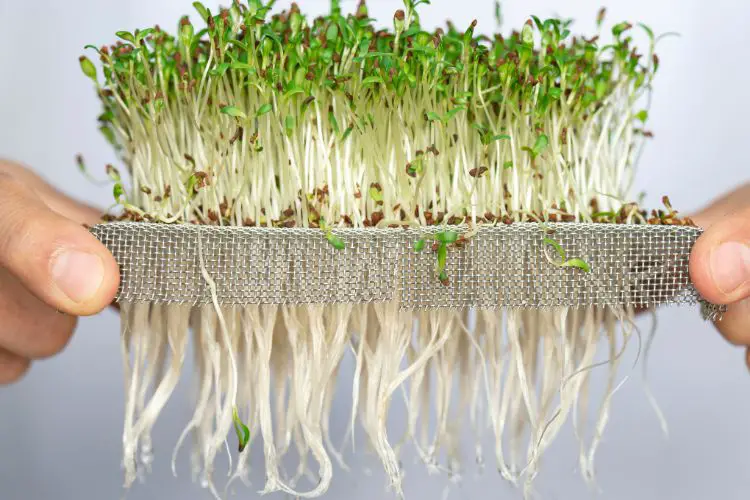
To ensure the continuous growth of microgreens, provide them with adequate light, water, and ventilation. Regularly check the moisture level of the soil and adjust the watering frequency as needed. Keep an eye out for any signs of pests or diseases, and address them promptly to maintain the health of your microgreens.
Troubleshooting common problems
If you encounter issues such as yellowing leaves, stunted growth, or pest infestations, take immediate action to identify and address the underlying causes. Adjust the growing conditions, such as light exposure and watering practices, to promote healthy growth and prevent further problems.
Sustainable practices for continuous microgreen cultivation
To support sustainable microgreen cultivation, consider composting organic waste from your gardening activities and using eco-friendly containers and growing mediums. Additionally, explore the option of saving seeds from mature plants for future microgreen production, reducing the need to purchase new seeds.
In conclusion, growing microgreens at home is a rewarding and accessible way to enjoy fresh, nutrient-packed greens year-round. By following the steps outlined above and incorporating expert tips, you can cultivate a thriving microgreen garden and elevate your culinary creations with vibrant, flavorful microgreens. Whether you’re a seasoned gardener or new to growing your own greens, the process of growing microgreens is simple, enjoyable, and offers a wealth of culinary and nutritional benefits.