

When it comes to sustainable farming practices, the key lies in fostering a harmonious relationship between agriculture and the environment. By adopting methods that prioritize long-term ecological balance, farmers can not only enhance the health of their crops but also contribute to the overall well-being of our planet. Sustainable farming practices encompass a wide range of techniques that aim to minimize the negative impact of agriculture on the environment, such as organic farming, crop rotation, and integrated pest management. These practices not only promote soil health but also help conserve water resources and preserve biodiversity.
Sustainable Farming Practices Table
| Practice | Description | Benefits | Challenges | Implementation | Cost |
|---|---|---|---|---|---|
| Crop Rotation | Alternating crops in the same field to improve soil health and reduce pests. | Enhanced soil fertility, pest control, and reduced dependency on chemical inputs. | Requires planning and knowledge of crop compatibility. | Consulting with agronomists and farm advisors for guidance. | Initial investment in equipment and possible decrease in short-term yields. |
| Agroforestry | Integrating trees and shrubs into agricultural landscapes to enhance biodiversity and productivity. | Improved soil structure, carbon sequestration, and enhanced habitat for wildlife. | Long-term commitment and potential competition for resources with crops. | Careful selection of tree species and monitoring of interactions with crops. | Initial investment in tree planting and management. |
| Integrated Pest Management (IPM) | Using a combination of biological, cultural, and chemical control methods to manage pests. | Reduced pesticide use, targeted pest control, and preservation of beneficial insects. | Requires monitoring and decision-making based on pest thresholds. | Training farm workers on pest identification and control methods. | Initial training costs and potential time investment. |
Benefits of Sustainable Farming
Sustainable farming practices offer a myriad of benefits not only for the environment but also for farmers and consumers alike. By reducing the use of harmful chemicals and pesticides, sustainable farming promotes healthier soil, which, in turn, leads to higher crop yields and improved food quality. Additionally, sustainable farming techniques help to conserve water resources and minimize pollution, creating a more eco-friendly agricultural system. Moreover, sustainable farming plays a crucial role in mitigating climate change by sequestering carbon in the soil and reducing greenhouse gas emissions. Overall, embracing sustainable farming practices is a win-win situation for both people and the planet.
Key Takeaways:
1. Sustainable farming promotes healthier soil and higher crop yields.
2. It helps to improve food quality and reduce the use of harmful chemicals.
3. Sustainable farming techniques contribute to water conservation and pollution prevention.
4. By sequestering carbon in the soil, sustainable farming helps mitigate climate change.
5. Embracing sustainable farming practices benefits both farmers and consumers.
6. Sustainable farming is a win-win situation for people and the planet.
Implementing Eco-Friendly Techniques
When it comes to sustainable farming practices, implementing eco-friendly techniques is crucial for the health of our planet and future generations. By using organic fertilizers, rotating crops, and practicing integrated pest management, farmers can reduce their environmental impact while still maintaining high yields. These techniques not only benefit the soil and surrounding ecosystem but also contribute to the overall sustainability of the farm. Making small changes in how we approach agriculture can have a significant impact on the health of our planet and the well-being of all living creatures.
Importance of Soil Health
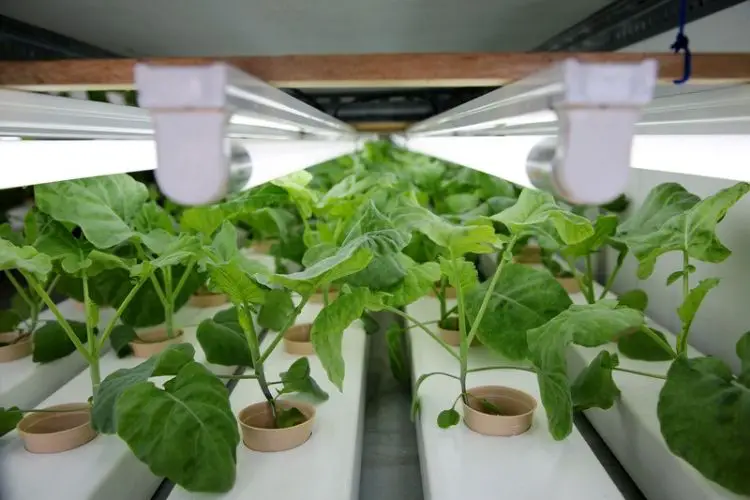
Maintaining soil health is a cornerstone of sustainable farming practices. When we prioritize the well-being of the soil, we are not only ensuring the fertility of our land but also promoting long-term sustainability. Healthy soil teeming with beneficial microbes and organic matter provides a fertile environment for plant growth, reducing the need for chemical fertilizers and pesticides. By implementing practices such as cover cropping, crop rotation, and minimal tillage, farmers can improve soil structure, water retention, and nutrient cycling. Investing in soil health today is an investment in the future of our planet and our food supply.
Water Conservation in Sustainable Farming
Water conservation is a crucial aspect of sustainable farming practices. By implementing techniques like drip irrigation and rainwater harvesting, farmers can significantly reduce water wastage and ensure efficient use of this precious resource. Additionally, the use of cover crops and mulching helps retain soil moisture, minimizing the need for excessive watering. By focusing on water conservation, farmers not only protect the environment but also save on costs associated with water usage. It’s essential to prioritize sustainable water management practices to ensure the long-term viability of farming operations and contribute to a healthier ecosystem overall.
Biodiversity and Wildlife Conservation
When it comes to sustainable farming practices, biodiversity and wildlife conservation play a crucial role in maintaining a healthy ecosystem. By promoting a diverse range of plant and animal species on your farm, you can create a more balanced environment that is resilient to pests and diseases. Encouraging beneficial insects, birds, and other wildlife to thrive on your land can help reduce the need for harmful pesticides and chemical fertilizers. Additionally, preserving natural habitats and creating wildlife corridors can support the overall health of the ecosystem. By incorporating these practices into your farming methods, you can contribute to the preservation of biodiversity and the protection of our precious wildlife.
Read also about: Tips for Growing Lush Grass in Your Yard
Conclusion
In conclusion, embracing sustainable farming practices is not just a trend but a necessity for the future of agriculture. By prioritizing eco-friendly techniques, focusing on soil health, conserving water, and promoting biodiversity, farmers can create a thriving ecosystem that benefits both the environment and their crops. It’s crucial to remember that every small change counts towards a larger impact, and by implementing these practices, we are not only preserving our planet for future generations but also ensuring the long-term success of our farms. Let’s work together to cultivate a sustainable future for agriculture.
Frequently Asked Questions about Sustainable Farming Practices
What are sustainable farming practices?
Sustainable farming practices are methods that focus on preserving the environment, maintaining soil health, and promoting biodiversity while also ensuring the long-term viability of farming operations. These practices aim to minimize the use of harmful chemicals, reduce waste, and promote ethical treatment of animals.
Why are sustainable farming practices important?
Sustainable farming practices are crucial for ensuring the health of our planet and future generations. By implementing these methods, we can reduce water pollution, combat climate change, and protect valuable ecosystems. Additionally, sustainable farming practices can lead to healthier food choices for consumers.
What are some examples of sustainable farming practices?
Examples of sustainable farming practices include crop rotation, cover cropping, reduced tillage, integrated pest management, and agroforestry. These methods help to improve soil structure, increase biodiversity, and reduce the need for synthetic inputs like pesticides and fertilizers.
How can farmers transition to sustainable farming practices?
Farmers can transition to sustainable farming practices by gradually implementing changes in their operations. This may involve conducting soil tests, adopting organic farming methods, investing in renewable energy sources, and participating in conservation programs. By taking small steps towards sustainability, farmers can make a big impact over time.
What are the benefits of sustainable farming practices for farmers?
The benefits of sustainable farming practices for farmers are numerous. These practices can lead to increased soil fertility, higher crop yields, reduced input costs, and improved resilience to climate change. Additionally, sustainable farming practices can create new market opportunities for farmers who prioritize environmental stewardship.
How can consumers support sustainable farming practices?
Consumers can support sustainable farming practices by choosing to buy products from farms that prioritize sustainability. This includes purchasing organic produce, grass-fed meats, and locally-sourced foods whenever possible. By supporting sustainable farmers, consumers can help drive positive change in the food system.
What role does government policy play in promoting sustainable farming practices?
Government policy plays a crucial role in promoting sustainable farming practices by providing financial incentives, research funding, and regulatory support to farmers who adopt sustainable methods. By implementing policies that prioritize environmental sustainability, governments can help create a more resilient and equitable food system for all.
Conclusion
In conclusion, sustainable farming practices are essential for safeguarding the health of our planet and ensuring the long-term viability of agriculture. By supporting farmers who prioritize sustainability and making conscious choices as consumers, we can all contribute to a more sustainable future for generations to come.
Also Read: Secrets to Growing Beautiful Roses