
Discover the secrets to cultivating stunning roses with our comprehensive guide! Whether you’re a seasoned gardener or just starting out, this article will equip you with the knowledge and skills needed to grow healthy and beautiful rose plants. From planting to pruning, we’ve got you covered every step of the way.
Understanding Rose Plants
Roses are one of the most beloved and iconic flowers in the world, known for their beauty, fragrance, and symbolism. Before you start growing roses, it’s important to understand the different types of roses and how to choose the right one for your garden.
The Different Types of Roses
There are several types of roses, including hybrid teas, floribundas, grandifloras, climbers, and shrub roses. Each type has its own unique characteristics and growth habits, so it’s essential to research and understand the specific needs of the type of rose you want to grow.
Choosing the Right Rose for Your Garden
When choosing a rose for your garden, consider factors such as climate, soil type, and available space. Consult with local nurseries or gardening experts to determine which types of roses are best suited for your specific growing conditions.
Planting Your Rose

Once you’ve selected the right type of rose for your garden, it’s time to plant it. Proper planting is crucial for the long-term health and success of your rose plant.
Selecting the Right Location
Roses thrive in full sun, so choose a location in your garden that receives at least 6 hours of sunlight per day. Good air circulation is also important to prevent diseases, so avoid planting roses in crowded or shady areas.
Preparing the Soil
Before planting, prepare the soil by loosening it to a depth of at least 12 inches and incorporating organic matter such as compost or well-rotted manure. This will provide the rose plant with essential nutrients and improve drainage.
Planting Your Rose
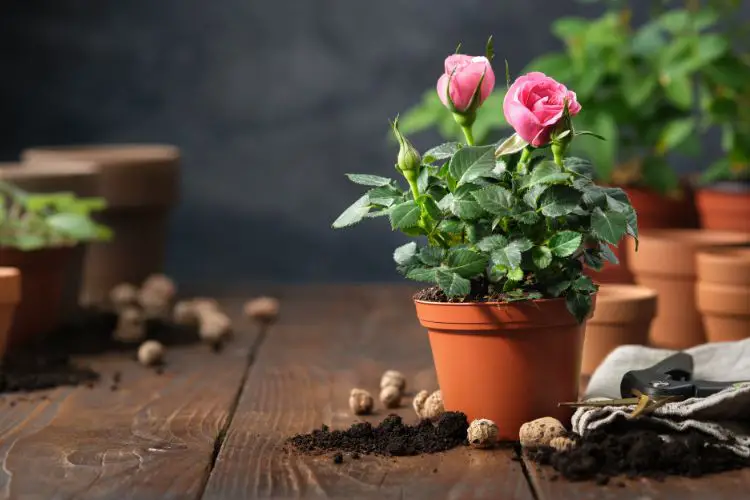
If you’re planting bare root roses, it’s best to do so in early spring, just as the growing season begins. Follow the planting instructions provided by the American Rose Society or the nursery where you purchased the roses. If you’re planting potted roses, gently remove the plant from the pot and place it in the prepared hole, making sure the graft union is at least 2 inches below the soil level.
Caring for Your Rose Plant
After planting, proper care is essential to ensure the health and vitality of your rose plant. This includes watering, feeding, pruning, and protecting the plant from pests and diseases.
Watering and Feeding
Roses require regular watering, especially during dry periods. Water deeply at the base of the plant to encourage deep root growth and avoid wetting the foliage, which can lead to disease. Additionally, feed your roses with a balanced fertilizer in early spring and again in late spring to promote healthy growth and abundant blooms.
Pruning Your Rose
Pruning is essential for maintaining the shape, health, and blooming of your rose plant. Prune in late winter or early spring before new growth begins, removing dead or diseased wood and shaping the plant as desired.
Protecting Your Rose from Pests and Diseases
Keep an eye out for common rose pests such as aphids, spider mites, and Japanese beetles, and treat them promptly to prevent damage to your plant. Additionally, be proactive in preventing diseases such as powdery mildew and black spot by providing good air circulation, avoiding overhead watering, and using disease-resistant varieties when possible.
Encouraging Healthy Growth
In addition to basic care, there are several practices you can implement to encourage healthy growth and abundant blooms in your rose plants.
Fertilizing Your Rose
In addition to regular feeding, consider supplementing with specific rose fertilizers that are formulated to provide the necessary nutrients for optimal growth and flowering.
Mulching
Apply a layer of organic mulch around the base of your rose plant to conserve moisture, suppress weeds, and regulate soil temperature. This will also help prevent soil-borne diseases and improve overall plant health.
Supporting Your Rose Plant
Depending on the type of rose you’re growing, you may need to provide support such as trellises or stakes to help the plant maintain its shape and prevent damage from strong winds or heavy blooms.
Troubleshooting Common Issues
Despite your best efforts, you may encounter some common issues when growing roses. Here are a few common problems and their potential solutions:
Yellowing Leaves
Yellowing leaves can be a sign of nutrient deficiency, overwatering, or pests. Adjust your watering schedule, feed your plant with a balanced fertilizer, and treat for pests if necessary.
Wilting or Drooping
Wilting or drooping can be caused by under-watering, over-watering, or root rot. Adjust your watering practices and ensure proper drainage to prevent root rot.
Lack of Blooms
If your rose plant isn’t producing blooms, it may be due to insufficient sunlight, improper pruning, or nutrient deficiencies. Ensure your plant is receiving adequate sunlight, prune as needed, and feed with a balanced fertilizer to promote blooming.
Conclusion
Growing roses can be a rewarding and fulfilling experience, and with the right knowledge and care, you can cultivate healthy and beautiful rose plants in your garden. By understanding the different types of roses, proper planting and care techniques, and troubleshooting common issues, you’ll be well-equipped to enjoy the fruits of your labor in the form of stunning, fragrant blooms.
Recap of Key Points
- Understand the different types of roses and choose the right one for your garden.
- Select a suitable location and prepare the soil before planting your rose.
- Provide proper care through watering, feeding, pruning, and pest/disease management.
- Encourage healthy growth through fertilizing, mulching, and supporting your rose plant.
Enjoying the Fruits of Your Labor
With the right care and attention, your rose plants will thrive and reward you with a bountiful display of colorful blooms, filling your garden with beauty and fragrance for years to come. Happy growing!