
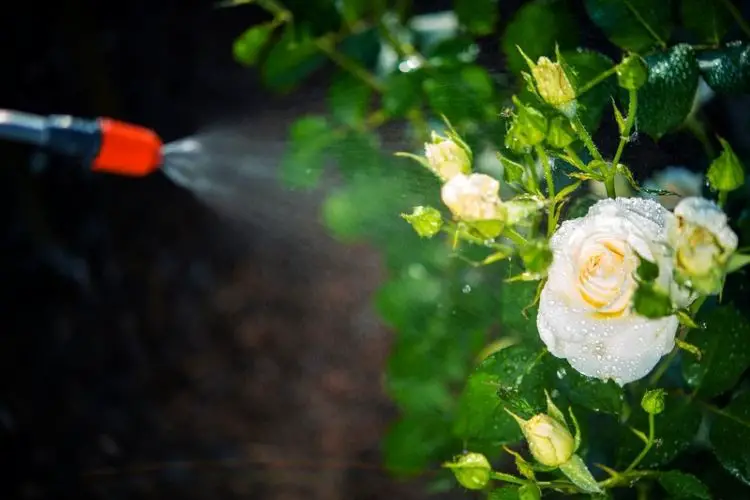
Dealing with plant pests can be a real headache for any gardener. Watching those pesky insects munch away at your precious plants can be frustrating and disheartening. However, there is hope! By exploring the world of natural remedies for plant pests, you can effectively combat these unwanted visitors without harmful chemicals. Not only are natural remedies better for the environment, but they can also be gentler on your plants, promoting overall health and vitality. Let’s dive into the wonderful world of natural pest control and discover the many benefits it has to offer!
Natural Remedies for Plant Pests
| Pest Type | Remedy | Effectiveness | Application | Frequency | Cost |
|---|---|---|---|---|---|
| Aphids | Neem oil spray | High | Spray directly on affected plants | Weekly | Low |
| Spider mites | Peppermint oil solution | Medium | Apply with a spray bottle | Bi-weekly | Low |
| Caterpillars | Diatomaceous earth | High | Dust on plants and soil | As needed | Low |
Benefits of Using Natural Remedies for Plant Pests
When it comes to dealing with pesky plant pests, natural remedies offer a gentle yet effective solution that is safe for both your plants and the environment. By opting for natural remedies, you can avoid the harmful chemicals found in many commercial pesticides, ensuring that your garden remains a healthy and vibrant ecosystem. Additionally, natural remedies are often more cost-effective and readily available, making them a practical choice for both experienced gardeners and beginners alike. Embracing natural remedies for plant pests not only protects your garden but also promotes a more sustainable and eco-friendly approach to gardening.
Key Takeaways:
1. Natural remedies are safe for plants, people, and the environment.
2. They are cost-effective and readily available.
3. Using natural remedies promotes a sustainable gardening approach.
4. Natural remedies offer a gentle yet effective solution to plant pests.
5. Avoid harmful chemicals found in commercial pesticides by using natural remedies.
6. Embrace a more eco-friendly approach to gardening by choosing natural remedies.
Natural Remedies for Plant Pests
When it comes to dealing with pesky plant pests, turning to natural remedies can be a game-changer. Not only are these solutions effective, but they also avoid the use of harmful chemicals that can harm the environment. One common natural remedy is Neem oil, known for its ability to repel a wide range of insects. Another favorite is diatomaceous earth, a fine powder that dehydrates insects upon contact, effectively controlling infestations without posing any threat to plants or animals. These natural remedies offer a safe and eco-friendly alternative to chemical pesticides, making them a popular choice among environmentally conscious gardeners.
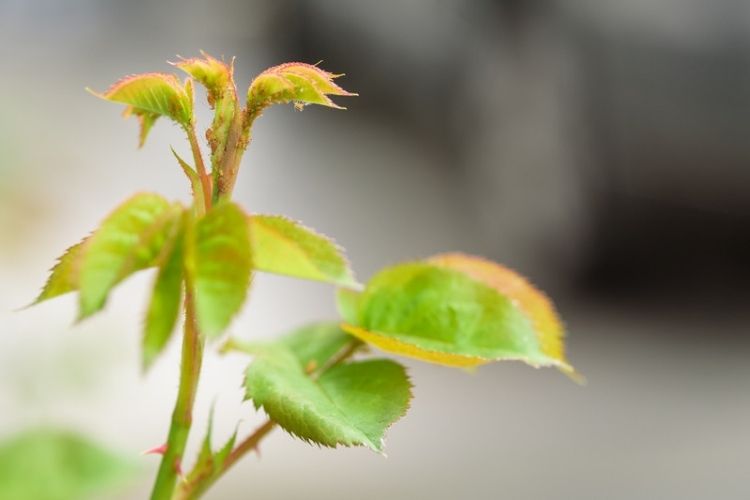
Essential Oils as Plant Pest Deterrents
When it comes to combatting those pesky plant pests, essential oils can be your best friend. These potent extracts from plants are not only a natural and chemical-free solution but also pack a powerful punch against unwanted intruders in your garden. Essential oils like peppermint, lavender, and neem have been shown to repel a wide range of pests, from aphids to spider mites. By simply diluting a few drops in water and spraying them on your plants, you can create a barrier that keeps pests at bay. Plus, the delightful scents of these oils add a pleasant aroma to your outdoor space. So why not give essential oils a try as part of your natural remedies for plant pests arsenal?
Homemade Remedies for Plant Pests
Dealing with plant pests can be a frustrating experience for any gardener. Fortunately, there are plenty of natural remedies that can help keep those pesky invaders at bay. One effective homemade remedy is a simple mixture of water and dish soap, which can be sprayed directly onto affected plants to suffocate and deter pests. Another popular option is using garlic and chili pepper spray, which acts as a natural insect repellent. These DIY solutions are not only environmentally friendly but also cost-effective, making them a great alternative to harsh chemical pesticides. Give these homemade remedies a try and watch your plants thrive pest-free!
Companion Planting for Pest Control
When it comes to combating plant pests, companion planting is like having a squad of friendly bodyguards for your precious greens. By strategically placing plants that benefit each other’s growth and repel pests, you create a harmonious ecosystem that naturally wards off unwanted visitors. For example, planting marigolds alongside tomatoes can help deter nematodes and whiteflies, while basil planted near tomatoes can enhance their flavor and repel mosquitoes. This natural synergy not only keeps pests at bay but also promotes healthier, more robust plants. So, why not let nature do the work for you and embrace the power of companion planting as a key player in your arsenal of natural remedies for plant pests?
Read also about: Discover the Secrets to Growing Healthy and Flavorful Basil Plants
Conclusion
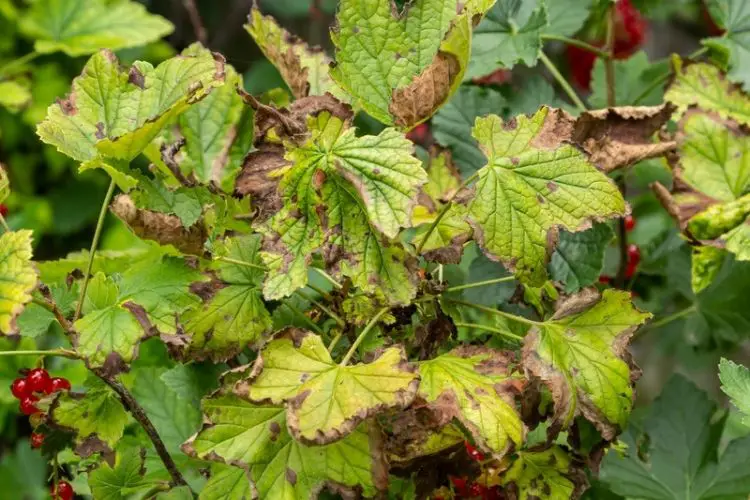
Dealing with plant pests can be a frustrating experience for any gardener, but the good news is that there are natural remedies available to help you combat these pesky intruders. By using essential oils, homemade solutions, and companion planting techniques, you can effectively protect your plants without relying on harmful chemicals. Embracing natural remedies not only benefits your garden’s health but also contributes to a more sustainable and eco-friendly approach to gardening. So next time you notice those unwelcome visitors in your garden, remember that there are plenty of safe and effective options to keep them at bay. Happy gardening!
Frequently Asked Questions about Natural Remedies for Plant Pests
What are some common plant pests that can be treated with natural remedies?
Plant pests can range from aphids and mealybugs to spider mites and whiteflies. Natural remedies like neem oil, garlic spray, and diatomaceous earth can effectively control these pests without harming your plants.
How do natural remedies differ from chemical pesticides?
Unlike chemical pesticides that may leave harmful residues on your plants, natural remedies are non-toxic and environmentally friendly. They work by disrupting the pests’ life cycle or repelling them without causing harm to beneficial insects.
Are natural remedies as effective as chemical pesticides?
While chemical pesticides may offer quicker results, natural remedies can be just as effective with repeated applications. They may take longer to show results but are a safer and more sustainable option for long-term pest control.
How can I make my own natural pest control remedies at home?
There are many DIY recipes for natural pest control, such as mixing garlic, oil, and water for a homemade spray. You can also use essential oils like peppermint or lavender to repel pests naturally.
Are there any natural remedies that can attract beneficial insects to my garden?
Plants like marigolds, fennel, and dill can attract beneficial insects like ladybugs and lacewings, which feed on plant pests. Creating a diverse and healthy ecosystem in your garden can naturally control pest populations.
Can natural remedies be used preventatively to avoid pest infestations?
Yes, natural remedies can be used preventatively to keep pest populations in check. Regularly inspecting your plants and applying natural pest control measures early on can help prevent severe infestations.
Where can I find natural remedies for plant pests?
You can find natural pest control products at garden centers, online stores, or even make your own remedies at home. Researching and experimenting with different natural options can help you find the best solution for your specific pest problems.
Conclusion
Using natural remedies for plant pests can be a safe, effective, and sustainable way to protect your garden. By incorporating natural pest control methods into your gardening routine, you can promote a healthy and thriving ecosystem for your plants.
Also Read: How to Grow Delicious Sweet Peppers in Your Garden