
Learn how to grow sweet peppers with this comprehensive guide designed for home gardeners. From planting to pest control, this informative article will equip you with the knowledge and skills needed to successfully cultivate delicious sweet peppers in your own garden. Whether you’re a beginner or experienced gardener, this guide will help you master the art of growing sweet peppers.

Introduction to Sweet Peppers
Sweet peppers, also known as bell peppers, are a popular vegetable in home gardens due to their vibrant colors, sweet flavor, and versatility in cooking. These peppers come in a variety of colors, including green, yellow, orange, and red, and can be used in a wide range of dishes, from salads and stir-fries to stuffed peppers for breakfast, lunch, dinner, or even dessert.
Growing sweet peppers at home is not only a rewarding experience but also offers several benefits. You have access to fresh, organic produce right in your backyard, and you can ensure that no harmful chemicals are used in the growing process. Additionally, homegrown sweet peppers often have a superior flavor compared to store-bought ones, making them a favorite among home gardeners.
Choosing the Right Sweet Pepper Varieties
When it comes to sweet peppers, there are various types to choose from, including the traditional bell peppers, sweet banana peppers, and specialty varieties like the chilli Hungarian hot wax. Consider factors such as the size, flavor, and color of the peppers when choosing the right variety for your garden. Some peppers are better suited for fresh consumption, while others are ideal for pickling or cooking.
It’s also essential to consider the climate in your region and the specific growing requirements of each sweet pepper variety before making your selection. Some varieties may thrive in warmer climates, while others are more suitable for cooler regions.
Planting Sweet Peppers
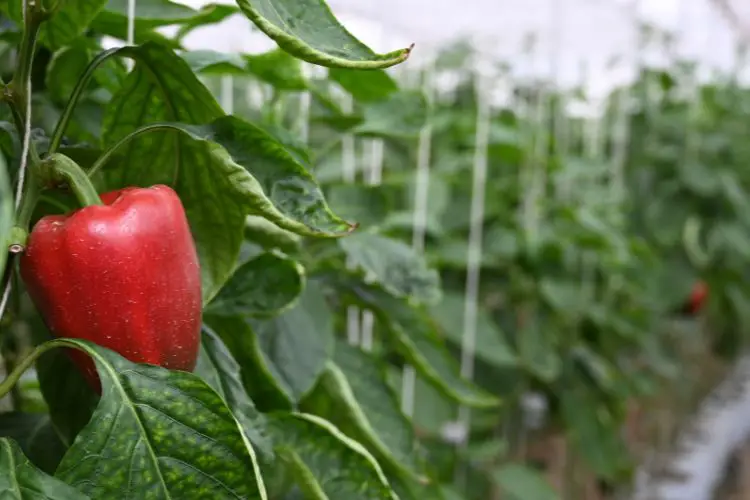
Before planting sweet peppers, it’s crucial to select an ideal location that receives plenty of sunlight and has well-draining soil. Sweet peppers thrive in warm, sunny conditions and require fertile soil to grow successfully. Prepare the soil by incorporating organic matter, such as compost, to improve its nutrient content and texture.
You can choose to plant sweet pepper seeds indoors and later transplant the seedlings into your garden, or you can directly plant seedlings. Ensure that the soil temperature is consistently warm before planting, as sweet peppers are sensitive to cold temperatures.
Watering and Caring for Sweet Peppers
Proper watering is essential for the healthy growth of sweet peppers. These plants require regular watering, especially during dry spells, to ensure that the soil remains consistently moist but not waterlogged. Mulching around the base of the plants can help retain soil moisture and suppress weed growth, contributing to the overall health of the pepper plants.
As sweet pepper plants grow, they may benefit from additional support to prevent the stems from bending or breaking under the weight of the peppers. Using stakes or cages to support the plants can help them remain upright and produce higher yields.
Fertilizing Sweet Peppers
To support the growth and development of sweet peppers, it’s crucial to understand their nutritional needs. Organic options such as compost and well-decomposed manure can provide the necessary nutrients for healthy plant growth. Additionally, synthetic fertilizers formulated for vegetables can be used according to the manufacturer’s instructions.
Establishing a fertilizing schedule is essential to ensure that the sweet pepper plants receive a consistent supply of nutrients throughout their growing season. This schedule may include initial fertilization at planting, followed by subsequent applications during the growing period.
Pest Control for Sweet Peppers
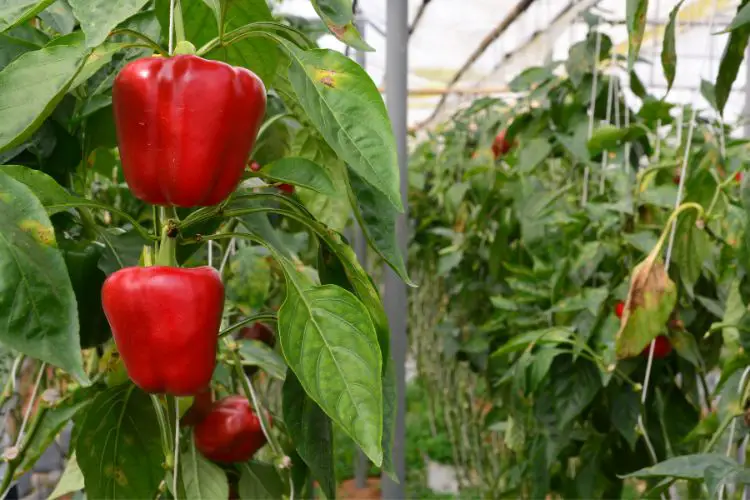
Sweet peppers are susceptible to various pests, including aphids, spider mites, and the brown marmorated stink bug, which can cause significant damage to the plants if left unaddressed. Implementing natural pest control methods, such as introducing beneficial insects or using organic insecticidal soaps, can help manage pest infestations without the use of harmful chemicals.
It’s essential to regularly inspect the sweet pepper plants for signs of pest infestation, such as yellowing leaves, stunted growth, or the presence of pests on the foliage. Early detection and intervention are key to preventing pests from causing extensive damage to the plants.
Harvesting and Storing Sweet Peppers
Determining the right time to harvest sweet peppers depends on the specific variety and desired ripeness. Generally, sweet peppers can be harvested when they reach full size and have developed their characteristic color. Using a sharp pair of garden shears or scissors, carefully cut the peppers from the plant to avoid damaging the stems or branches.
After harvesting, sweet peppers can be stored in the refrigerator for short-term use or preserved for long-term storage by freezing or canning. Properly storing and preserving sweet peppers ensures that you can enjoy your homegrown produce well beyond the growing season.
In conclusion, growing sweet peppers at home can be a fulfilling and rewarding endeavor for home gardeners. By following the comprehensive guide outlined above, you can cultivate healthy sweet pepper plants and enjoy a bountiful harvest of delicious peppers in your own garden. With the right knowledge and care, you can master the art of growing sweet peppers and savor the flavors of your homegrown produce.