
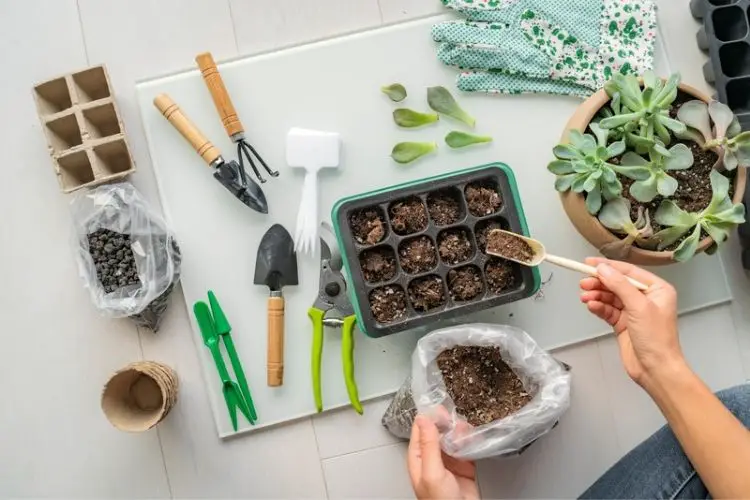
Starting seeds indoors can be a rewarding experience for any gardener. Not only does it give you a head start on the growing season, but it also allows you to have more control over the entire process. By starting seeds indoors, you can ensure that your plants have the best possible start in life, leading to healthier and more robust growth. Whether you are a beginner or a seasoned gardener, learning how to start seeds indoors can open up a whole new world of possibilities for your garden.
Guide to Starting Seeds Indoors
| Seed Type | Recommended Container | Soil Type | Light Requirements | Watering Schedule | Germination Time |
|---|---|---|---|---|---|
| Tomatoes | Seed Trays | Seed Starting Mix | 6-8 Hours of Sunlight | Keep Moist | 5-10 Days |
| Peppers | Peat Pots | Well-Draining Soil | 12-16 Hours of Light | Avoid Overwatering | 7-14 Days |
| Herbs | Seed Starting Trays | Light, Well-Draining Soil | 6-8 Hours of Sunlight | Keep Moist, Not Soggy | 7-21 Days |
Selecting the Right Containers for Indoor Seed Starting
When it comes to starting seeds indoors, the type of containers you choose can significantly impact the success of your seedlings. Opt for containers that are at least 2-3 inches deep with adequate drainage holes to prevent waterlogging. Consider using biodegradable pots or trays that can be planted directly into the soil, reducing transplant shock. Additionally, plastic trays with domes can create a mini greenhouse environment for optimal germination. Remember to label your containers to keep track of different plant varieties easily. Choosing the right containers is a crucial step in ensuring healthy and robust seedlings for successful transplanting outdoors.
Key Takeaways:
1. Select containers with adequate depth and drainage holes.
2. Consider biodegradable pots or trays to reduce transplant shock.
3. Opt for plastic trays with domes for a greenhouse effect.
4. Label containers for easy plant variety identification.
5. Choose the right containers for healthy and robust seedlings.
6. Proper container selection is essential for successful transplanting outdoors.
Selecting the Best Soil Mix for Seed Germination
When it comes to starting seeds indoors, choosing the right soil mix can make all the difference in the success of your seedlings. Opt for a high-quality seed starting mix that is lightweight, well-draining, and sterile to prevent diseases. Look for mixes that contain a blend of ingredients like peat moss, vermiculite, and perlite to provide the right balance of moisture retention and aeration. Avoid using regular garden soil, as it can compact easily and hinder root development. Invest in a good quality soil mix to give your seeds the best possible start for healthy growth.
Providing Adequate Light for Seedlings
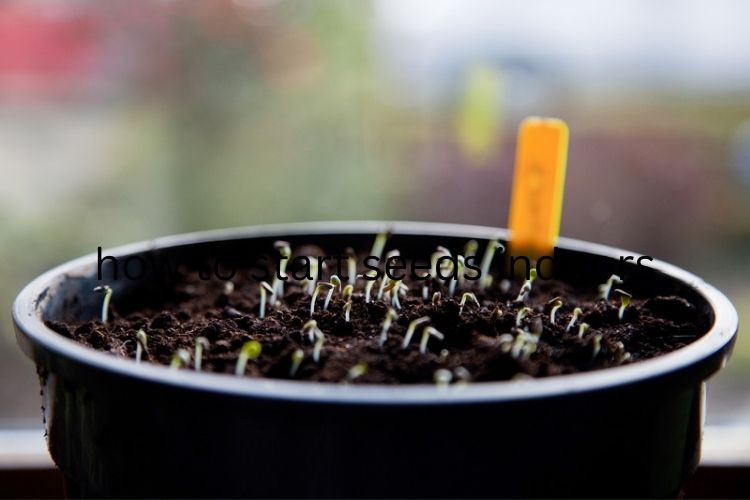
When it comes to indoor seed starting, providing proper light is essential for the healthy growth of your seedlings. Natural light is always the best option, but if that’s not available, you can use artificial grow lights. Place the lights close to the seedlings, ensuring they receive around 14-16 hours of light per day. Rotate the trays regularly to prevent the seedlings from leaning towards the light source. Remember, light is like food for plants, so make sure you’re giving them the nourishment they need to thrive. How to start seeds indoors can be easy with the right amount of light!
Proper Watering Techniques for Indoor Seed Starting
When it comes to nurturing your seedlings indoors, proper watering is crucial for their growth. Over-watering can lead to root rot, while under-watering can stunt their development. To strike the right balance, water your seedlings consistently but avoid saturating the soil. A good rule of thumb is to keep the soil moist, not waterlogged. Consider using a spray bottle or a watering can with a fine spout to control the amount of water you apply. Always check the moisture level by inserting your finger into the soil before watering again. Remember, consistency is key to successful seed starting indoors.
Maintaining Optimal Temperature and Humidity Levels
When it comes to how to start seeds indoors successfully, maintaining optimal temperature and humidity levels is crucial. Just like Goldilocks searching for the perfect porridge, your seedlings need conditions that are not too hot, not too cold, but just right. Aim to keep the temperature consistently around 70 degrees Fahrenheit during the day and a few degrees cooler at night. As for humidity, a gentle misting or a humidity dome can create the ideal environment for your seeds to germinate and thrive. Remember, keeping a close eye on these factors will set your seedlings up for success as they grow into robust plants ready for transplanting outdoors.
Read also about: Discover the Benefits of Companion Planting for Your Vegetable Garden
Transplanting Seedlings Outdoors
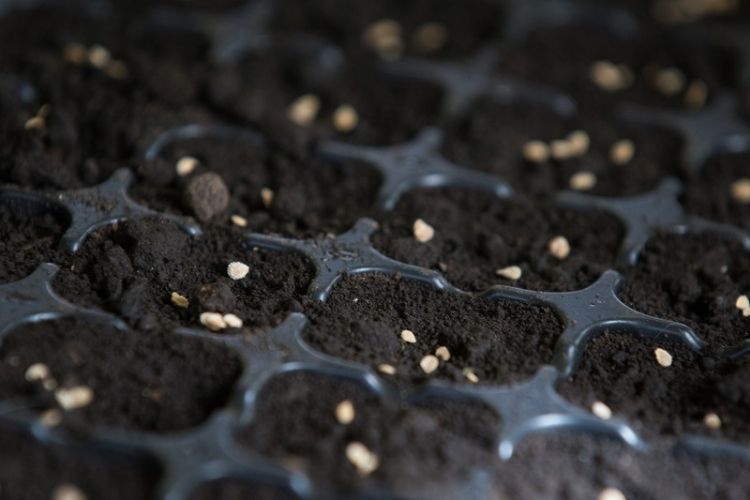
When it comes time to move your precious seedlings from the cozy confines of your home to the great outdoors, it can feel like a bittersweet moment. You’ve nurtured them from tiny seeds, watched them grow strong under your care, and now it’s time to let them spread their roots in the soil outside. Remember, this transition can be a shock to your plants, so be gentle and patient. Gradually expose them to the elements, starting with short periods outside and gradually increasing the time. This gradual approach will help them acclimate to their new environment and thrive in their new home.
Frequently Asked Questions about Starting Seeds Indoors
How do I know which seeds to start indoors?
Choosing the right seeds to start indoors depends on factors like your climate, the plant’s growth rate, and the length of your growing season. Generally, plants that require a longer growing season or have delicate roots benefit from being started indoors.
What supplies do I need to start seeds indoors?
To start seeds indoors, you’ll need containers, potting mix, seeds, and a light source. Containers can range from recycled egg cartons to specialty seed-starting trays. Using a high-quality potting mix ensures your seeds have the nutrients they need to thrive.
How do I create the ideal environment for seed germination?
Providing the right conditions for seed germination is crucial. Ensure your seeds have access to warmth, moisture, and light. Using a heat mat can help maintain the ideal temperature, while covering trays with plastic wrap creates a humid environment for germination.
When should I start my seeds indoors?
The timing for starting seeds indoors varies depending on the plant. Check the seed packet or research the specific plant to determine the best time to start seeds indoors. In general, starting seeds 6-8 weeks before the last expected frost date is a good rule of thumb.
How often should I water my seedlings?
Proper watering is key to seedling success. Check your seedlings daily to ensure the soil is moist but not waterlogged. Water from the bottom to encourage root growth and avoid damping off, a fungal disease that can affect seedlings.
Do seedlings need fertilizer?
While seedlings contain enough nutrients to start, they may benefit from a diluted fertilizer solution once they have their first set of true leaves. Be cautious not to over-fertilize, as this can harm delicate seedlings.
How do I transition my seedlings outdoors?
Before moving your seedlings outdoors, they need to be hardened off. This process involves gradually exposing them to outdoor conditions over a period of 7-10 days. Start with a few hours of sunlight and gradually increase exposure to prepare your seedlings for transplantation.
Conclusion
Starting seeds indoors can be a rewarding way to kickstart your garden. By providing the right environment and care for your seedlings, you can ensure they grow into healthy, thriving plants. Experiment with different techniques and don’t be afraid to learn from any mistakes along the way. Happy gardening!
Also Read: Discover the Secrets to Growing Delicious Peppercorn at Home!