
Companion planting vegetables is like creating a harmonious community in your garden. It’s all about pairing up veggies that bring out the best in each other, just like good friends do. By strategically planting certain veggies together, you can boost their growth, deter pests, and improve soil health. It’s like nature’s way of showing us that teamwork truly does make the dream work. So, if you want your garden to thrive and flourish, consider the magical world of companion planting vegetables. Trust me, your veggies will thank you for it!
Companion Planting Vegetables Table
| Vegetable | Companion Plants | Benefit | Incompatible Plants | Planting Tips |
|---|---|---|---|---|
| Tomatoes | Carrots, Basil, Marigolds | Repel pests and improve flavor | Potatoes, Fennel | Plant basil near for pest control |
| Zucchini | Nasturtiums, Corn, Beans | Attract pollinators and deter pests | Potatoes, Pumpkins | Plant radishes as a trap crop |
| Cucumbers | Dill, Sunflowers, Peas | Repel pests and improve growth | Sage, Potatoes | Provide trellis for vertical growth |
Benefits of Companion Planting Vegetables
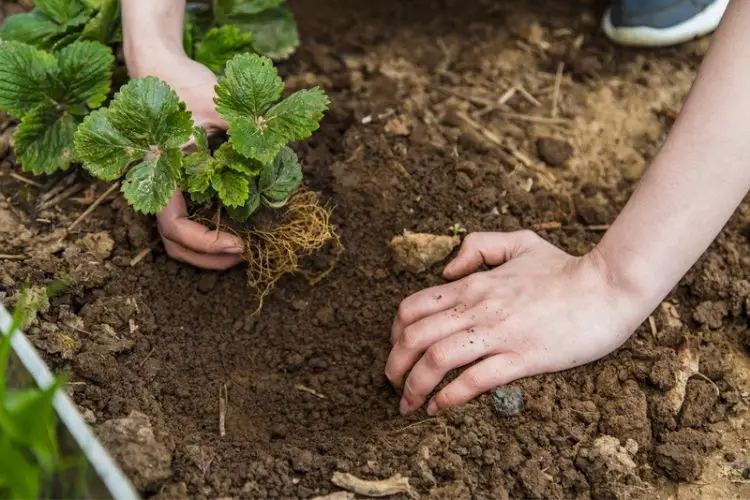
Companion planting vegetables offers a plethora of advantages that can elevate your garden’s success. By pairing certain plants together, you can naturally deter pests, improve soil health, and increase overall yield. This method also promotes biodiversity, creating a harmonious environment that mimics nature’s balance. Not only does companion planting save space, but it also encourages a more sustainable and eco-friendly approach to gardening. Embracing this technique not only benefits your plants but also fosters a deeper connection to the natural world around you.
Key takeaways:
1. Companion planting vegetables can naturally deter pests and improve soil health.
2. Pairing certain plants together can increase overall yield and save space in your garden.
3. This method promotes biodiversity and creates a more sustainable gardening approach.
4. Companion planting fosters a deeper connection to nature and enhances the overall health of your plants.
Vegetables That Thrive Together
When it comes to companion planting vegetables, some combinations truly bring out the best in each other. Take, for example, the classic duo of tomatoes and basil. These two plants not only complement each other in the kitchen but also in the garden. Tomatoes provide shade for basil, while basil repels pests that can harm tomato plants. Another winning pair is corn and beans. Corn provides a sturdy structure for beans to climb, while beans fix nitrogen in the soil, benefiting the corn. These harmonious relationships in the garden can lead to healthier, more productive crops.
Vegetables That Should Not Be Planted Together
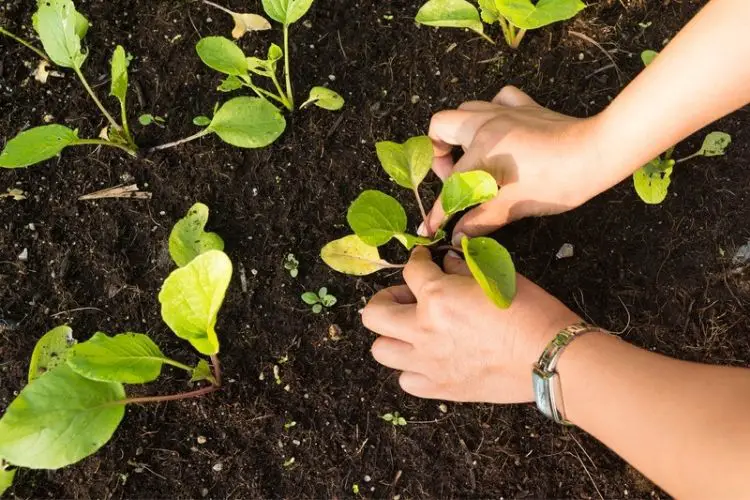
When it comes to companion planting vegetables, it’s crucial to be mindful of which veggies should not be placed next to each other. For example, planting tomatoes alongside potatoes is a big no-no, as they can both attract the same pests and diseases, leading to a potential disaster for your garden. Similarly, keeping cucumbers and sage apart is essential, as sage can inhibit the growth of cucumbers. By understanding which vegetables clash with each other, you can avoid unnecessary competition and ensure a harmonious garden that thrives with the principles of companion planting vegetables.
Companion Plants That Deter Pests
When it comes to keeping pests at bay in your vegetable garden, companion planting can be a game-changer. For example, planting marigolds alongside your tomatoes can help repel nematodes, while nasturtiums can deter aphids from attacking your beans. These natural pest deterrents not only protect your vegetables but also add a pop of color and variety to your garden. By strategically placing companion plants that pests find unappealing next to your vegetables, you can create a harmonious ecosystem that promotes growth and minimizes the need for harmful pesticides. So why not give it a try in your own garden and see the benefits for yourself?
Companion Plants That Improve Soil Health
When it comes to companion planting vegetables, choosing plants that can improve the health of your soil is key. Certain plants have the amazing ability to enhance soil fertility, promote beneficial microorganisms, and suppress weeds. For example, legumes like peas and beans are known for their nitrogen-fixing capabilities, which can enrich the soil for neighboring plants. Additionally, aromatic herbs like basil and dill can help repel pests while also adding essential nutrients to the soil. By incorporating these companion plants into your vegetable garden, you can create a harmonious ecosystem that nourishes your crops and promotes overall plant health.
Read also about: Tips for Growing Delicious Pineapples
Tips for Successful Companion Planting
When it comes to companion planting vegetables, there are a few key tips to keep in mind for a successful harvest. First and foremost, do your research on which vegetables thrive together and which ones should be kept apart. Planning out your garden layout ahead of time can make a big difference in the health and productivity of your plants. Additionally, consider incorporating companion plants that deter pests or improve soil health to create a more balanced and sustainable environment for your vegetables. Remember, a little bit of strategic planning goes a long way in the world of companion planting.
Frequently Asked Questions About Companion Planting Vegetables
What is companion planting?
Companion planting is the practice of planting different crops together to benefit each other in various ways, such as deterring pests, improving pollination, or enhancing flavor.
How can companion planting benefit my vegetable garden?
Companion planting can help improve yield, reduce the need for pesticides, and create a more balanced ecosystem in your garden.
Which vegetables are good companions for each other?
Some classic examples of companion planting include planting tomatoes with basil to improve flavor, or planting carrots with onions to repel pests.
Are there any vegetables that should not be planted together?
Yes, some vegetables can inhibit each other’s growth if planted too closely together. For example, beans and onions should be kept apart to avoid stunted growth.
How do I get started with companion planting in my vegetable garden?
Start by researching which vegetables work well together and create a planting plan based on those combinations. Experimenting and observing the results will help you fine-tune your companion planting strategy.
Can companion planting help me reduce the need for chemical pesticides?
Absolutely! By using companion planting techniques, you can naturally deter pests and reduce the reliance on harmful chemicals in your garden.
What are some common mistakes to avoid when companion planting vegetables?
Avoid overcrowding your plants, neglecting to rotate your crops, and forgetting to consider the specific needs of each vegetable when planning your companion planting layout.
Conclusion
Companion planting vegetables can be a fun and rewarding way to enhance your garden’s productivity and sustainability. By experimenting with different combinations and observing the results, you can create a harmonious and thriving vegetable garden that benefits both your plants and the environment.
Also Read: Tips for Growing Pineapples