
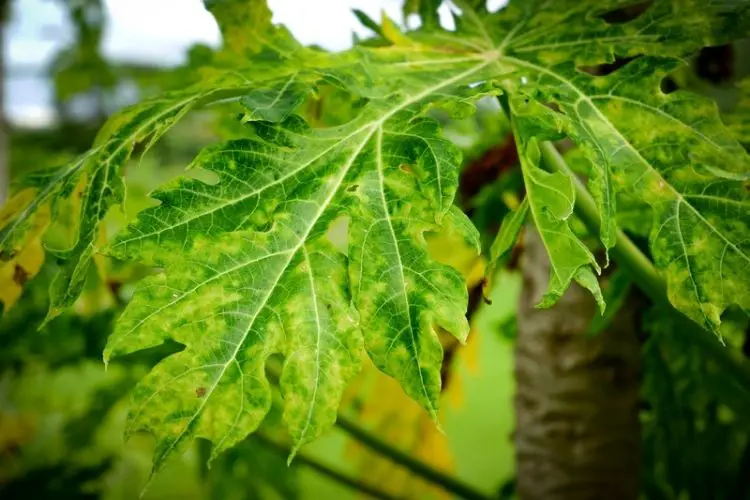
Preventing plant diseases is crucial for maintaining a healthy garden and ensuring the flourishing of your green friends. But how exactly can you go about safeguarding your plants from these pesky diseases? Let’s delve into some practical tips and strategies that can help you combat these common threats. By being proactive and taking preventive measures, you can save yourself a lot of time, effort, and heartache down the line. Let’s explore the wonderful world of gardening and learn how to prevent plant diseases together!
Effective Ways to Prevent Plant Diseases
| Method | Description | Benefits | Cost |
|---|---|---|---|
| Proper Plant Selection | Choose disease-resistant varieties suitable for your region. | Decreased likelihood of disease outbreaks. | Low to moderate cost, depending on plant variety. |
| Good Planting Practices | Space plants correctly, provide adequate sunlight, and avoid overcrowding. | Improved air circulation and reduced chances of infections. | Low cost, mostly involves labor. |
| Mulching | Apply organic mulch to retain moisture and prevent soil-borne diseases. | Protects plant roots, suppresses weeds, and moderates soil temperature. | Low to moderate cost, depending on mulch type. |
Choose Disease-Resistant Plants
When it comes to preventing plant diseases, one of the most effective strategies is to start with disease-resistant plants. By selecting varieties that are naturally equipped to fend off common illnesses, you can significantly reduce the risk of your garden falling victim to destructive pathogens. When browsing through plant catalogs or visiting your local nursery, keep an eye out for labels indicating disease resistance. This simple step can save you time, money, and effort in the long run by minimizing the need for chemical treatments or extensive maintenance. Prioritizing disease-resistant plants is like giving your garden an extra layer of protection, ensuring that it stays healthy and vibrant throughout the growing season.
Key Takeaways:
1. Look for disease-resistant plant varieties when selecting new additions for your garden.
2. Check for labels indicating disease resistance at nurseries or in plant catalogs.
3. Prioritizing disease-resistant plants can reduce the need for chemical treatments and maintenance.
4. Choosing disease-resistant plants provides an extra layer of protection for your garden.
5. Opting for disease-resistant varieties can help keep your garden healthy and vibrant.
6. Start with disease-resistant plants to prevent common plant diseases effectively.
Practice Good Planting and Maintenance Techniques
Ensuring your plants are well taken care of from the moment they are placed in the soil is crucial in preventing diseases. Proper planting depth, spacing, and soil quality are essential factors to consider. Implementing good maintenance practices such as regular trimming of dead or diseased foliage, cleaning gardening tools to prevent the spread of pathogens, and disposing of infected plants properly can go a long way in maintaining plant health. By being mindful of these techniques, you can create a healthy environment for your plants to thrive and reduce the risk of disease outbreaks.
Monitoring and Controlling Pests
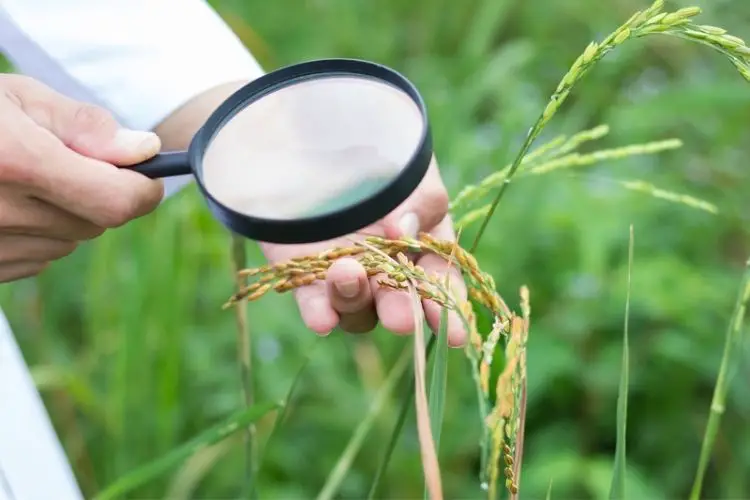
When it comes to keeping your plants healthy and disease-free, staying vigilant against pests is crucial. Pests can wreak havoc on your garden, inviting diseases to take hold and spread. Regularly inspect your plants for any signs of pest infestation, such as chewed leaves or small holes. Consider using natural remedies like neem oil or introducing beneficial insects like ladybugs to keep pest populations in check. Remember, prevention is key when it comes to maintaining a thriving garden. By staying proactive and taking steps to monitor and control pests, you can help create a more resilient and disease-resistant environment for your plants.
Proper Watering and Drainage: Essential for Plant Health
Maintaining proper watering practices is crucial in preventing plant diseases. Overwatering can lead to root rot, creating a breeding ground for harmful pathogens. On the other hand, underwatering can stress plants, making them more susceptible to infections. To strike the right balance, ensure that your plants receive adequate water while allowing excess water to drain efficiently. Consider using a watering schedule based on individual plant needs and soil type. By providing the right amount of water and promoting good drainage, you can help your plants thrive and ward off diseases effectively.
Maintain Proper Air Circulation
One crucial aspect of preventing plant diseases is ensuring proper air circulation around your plants. Just like how we need fresh air to stay healthy, plants also thrive when they can breathe freely. Stagnant air can create a breeding ground for various pathogens, leading to diseases that can harm your precious greenery. By strategically placing your plants in a way that allows for adequate airflow, you can significantly reduce the risk of infections. This simple yet effective technique can make a world of difference in keeping your plants happy and disease-free.
Read also about: Tips for Growing Your Own Lemons
Implementing Crop Rotation and Companion Planting Techniques to Prevent Plant Diseases
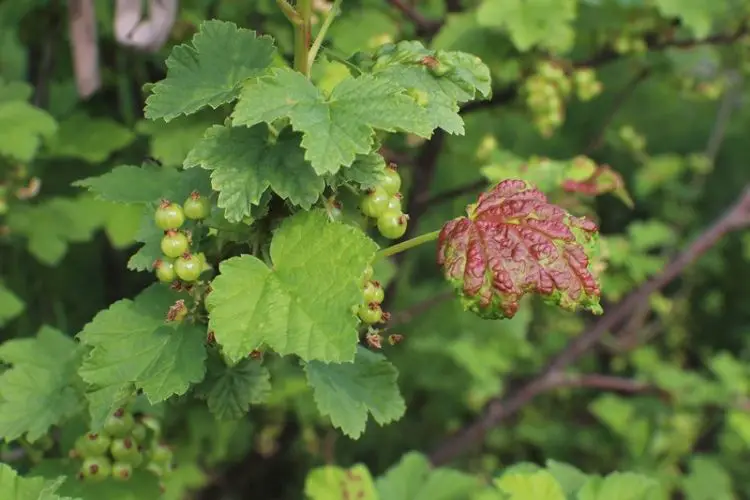
When it comes to keeping your plants healthy and disease-free, implementing crop rotation and companion planting techniques can work wonders. Crop rotation involves changing the location of your crops each season to prevent the buildup of pathogens in the soil. By rotating the types of plants you grow in different areas of your garden, you can reduce the chances of diseases spreading. Additionally, companion planting involves growing certain plants together to naturally repel pests and promote overall plant health. For example, planting marigolds alongside your tomatoes can deter harmful insects. By incorporating these techniques into your gardening routine, you can create a harmonious and disease-resistant environment for your plants to thrive.
Frequently Asked Questions about Preventing Plant Diseases
What are some common plant diseases to watch out for?
There are several common plant diseases that can affect your garden, such as powdery mildew, blight, and root rot. It’s important to keep an eye out for any signs of discoloration, wilting, or unusual growth patterns on your plants.
How can I prevent plant diseases from spreading?
To prevent plant diseases from spreading, make sure to practice good garden hygiene. This includes regularly removing dead or diseased plant material, properly spacing out your plants to allow for air circulation, and avoiding overwatering.
Are there any natural remedies I can use to prevent plant diseases?
Yes, there are several natural remedies you can use to prevent plant diseases. For example, you can make a homemade spray using neem oil, garlic, or baking soda to help protect your plants from fungal infections.
What role does soil health play in preventing plant diseases?
Soil health plays a crucial role in preventing plant diseases. Healthy soil provides a strong foundation for your plants to grow, helping them resist pathogens and other stressors. Make sure to regularly amend your soil with compost and other organic matter to keep it rich and fertile.
How does proper plant nutrition help prevent diseases?
Proper plant nutrition is essential for preventing diseases. When plants receive the right balance of nutrients, they are better equipped to fend off infections and stay healthy. Consider using a balanced fertilizer and supplementing with micronutrients as needed.
Why is it important to rotate crops in the garden?
Rotating crops in your garden is important for preventing plant diseases. By moving plants around each season, you can disrupt the life cycles of pests and pathogens that may be lingering in the soil. This can help prevent the buildup of diseases over time.
What are some signs that my plants may be suffering from a disease?
There are several signs to look out for that may indicate your plants are suffering from a disease. These can include yellowing or browning leaves, stunted growth, mold or mildew on the foliage, and unusual patterns of discoloration. If you notice any of these symptoms, it’s important to take action promptly.
Conclusion
Preventing plant diseases requires a combination of vigilance, good gardening practices, and a proactive approach to plant care. By keeping an eye on your plants, taking steps to improve soil health, and using natural remedies when needed, you can help protect your garden from common diseases and enjoy a thriving, healthy landscape.
Also Read: Expert Tips for Growing Delicious Zucchini in Your Garden