
Learn how to cultivate and care for your own lemon trees with our comprehensive guide! Whether you’re a seasoned gardener or just starting out, this article provides step-by-step instructions, best practices, and essential care tips to help you successfully grow and maintain your citrus plants at home. From planting to harvesting, you’ll gain the knowledge and skills needed to nurture thriving lemon trees in your own garden.
Introduction to Growing Lemon Trees
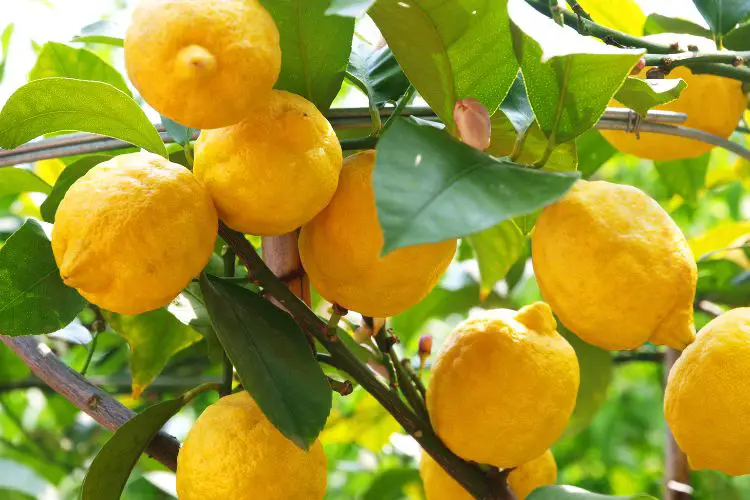
Are you interested in cultivating your own lemon trees at home? Whether you have a green thumb or are just starting out with gardening, growing lemon trees can be a rewarding and enjoyable experience. In this comprehensive guide, we will provide you with step-by-step instructions, best practices, and essential care tips to help you successfully grow and maintain your citrus plants at home. From selecting the right lemon tree variety to harvesting your own lemons, you’ll gain the knowledge and skills needed to nurture thriving lemon trees in your own garden.
Benefits of Growing Lemon Trees at Home
There are numerous benefits to growing lemon trees at home. Not only do they provide a fresh and abundant supply of lemons for culinary use, but they also offer aesthetic appeal with their glossy green leaves and fragrant blossoms. Additionally, tending to lemon trees can be a therapeutic and fulfilling hobby, allowing you to connect with nature and enjoy the fruits of your labor.
Overview of the Lemon Tree Cultivation Process
Cultivating lemon trees requires attention to detail and regular care, but the process is relatively straightforward. Lemon trees thrive in warm climates and can be grown in containers or directly in the ground. They require well-draining soil, adequate sunlight, and regular watering to flourish. With the right care and maintenance, lemon trees can produce an abundance of fruit for many years.
Choosing the Right Lemon Tree Variety
When it comes to selecting a lemon tree variety for home cultivation, there are several factors to consider.
Factors to Consider When Selecting a Lemon Tree Variety
- Climate: Consider the climate in your region to ensure that the lemon tree variety you choose is suitable for the temperature and weather conditions.
- Space: Determine whether you have ample space for a full-sized lemon tree or if a dwarf variety would be more suitable for your garden or container.
- Fruit Characteristics: Some lemon tree varieties produce sweeter fruit, while others are known for their tartness. Consider your preference for flavor when selecting a variety.
Popular Lemon Tree Varieties for Home Cultivation
Some popular lemon tree varieties for home cultivation include the Eureka lemon, Meyer lemon, Lisbon lemon, and Ponderosa lemon. Each variety has its own unique characteristics and is well-suited for different growing environments.
Planting Your Lemon Tree
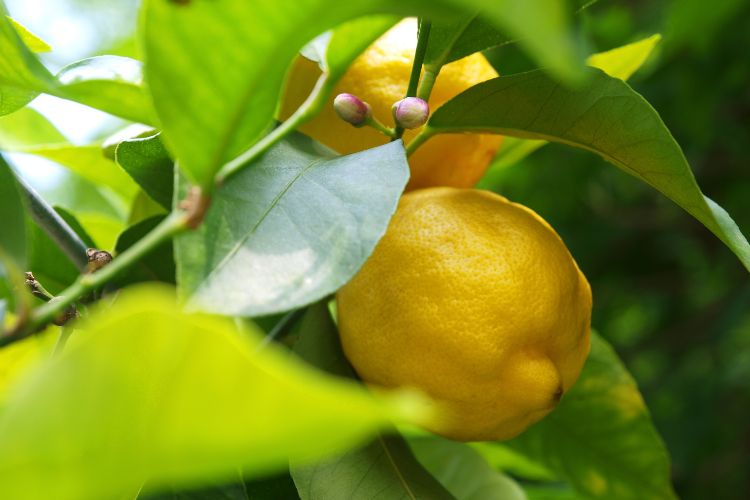
Once you’ve selected the right lemon tree variety, it’s time to plant your tree and provide it with the ideal growing conditions.
Selecting the Ideal Location for Planting
Lemon trees thrive in full sunlight, so it’s essential to choose a location in your garden that receives at least 6-8 hours of direct sunlight per day. If you’re planting your lemon tree in a container, place it in a sunny spot on a patio or balcony where it can receive ample sunlight.
Preparing the Soil for Optimal Growth
Lemon trees prefer well-draining soil with a slightly acidic pH level. Before planting, ensure that the soil is loose and well-aerated to promote healthy root growth. Amending the soil with organic matter such as compost can improve its texture and fertility.
Step-by-Step Guide to Planting a Lemon Tree
- Dig a hole that is twice as wide and just as deep as the tree’s root ball.
- Gently remove the tree from its container and loosen the roots before placing it in the hole.
- Backfill the hole with soil, ensuring that the tree is planted at the same depth it was in the container.
- Water the tree thoroughly after planting to help settle the soil and hydrate the roots.
Caring for Your Lemon Tree
Once your lemon tree is planted, it’s important to provide it with the proper care and maintenance to ensure healthy growth and fruit production.
Watering and Irrigation Best Practices
Lemon trees require regular watering, especially during the growing season. It’s important to keep the soil consistently moist but not waterlogged. Deep, infrequent watering is preferable to frequent shallow watering, as it encourages deep root growth.
Fertilization and Nutrient Requirements
Fertilizing your lemon tree with a balanced fertilizer formulated for citrus trees can help promote healthy growth and fruit production. Apply fertilizer in the spring and summer months, following the manufacturer’s instructions for the proper application rate.
Pruning and Shaping the Lemon Tree for Healthy Growth
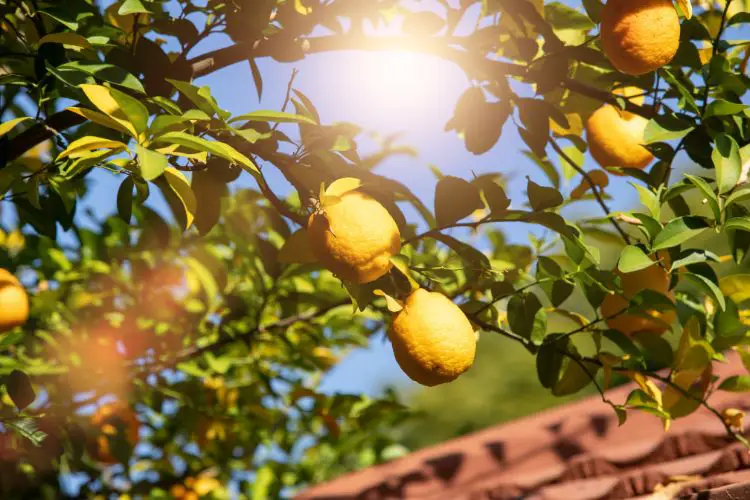
Pruning is essential for shaping the lemon tree, removing dead or diseased branches, and promoting air circulation within the canopy. Prune your lemon tree in the late winter or early spring before new growth begins.
Pest and Disease Management
Lemon trees are susceptible to certain pests and diseases that can affect their overall health and fruit production.
Common Pests and Diseases Affecting Lemon Trees
Common pests that may affect lemon trees include aphids, scale insects, and citrus leaf miners. Diseases such as citrus canker and root rot can also pose a threat to the health of lemon trees.
Organic and Chemical Control Methods
To manage pests and diseases, consider using organic methods such as insecticidal soaps, neem oil, or horticultural oils. If the infestation or disease is severe, chemical control methods may be necessary. Always follow the recommended guidelines and safety precautions when using any pest or disease control products.
Harvesting and Enjoying Your Lemons
After providing attentive care to your lemon tree, the reward comes when it’s time to harvest and enjoy the fruits of your labor.
Signs of Ripe Lemons
Ripe lemons will have a bright yellow color and a slight give when gently squeezed. They should also be firm and heavy for their size, indicating juiciness.
Proper Harvesting Techniques
Use sharp pruning shears to carefully cut the lemons from the tree, leaving a short stem attached to the fruit. Avoid pulling or twisting the lemons, as this can damage the tree and affect future fruit production.
Delicious Recipes and Uses for Homegrown Lemons
Once harvested, homegrown lemons can be used in a variety of culinary applications, including fresh lemonade, salad dressings, marinades, and baked goods. The vibrant flavor and fragrance of homegrown lemons can elevate any dish or beverage.
Conclusion and Final Tips
Cultivating and caring for lemon trees can be a fulfilling and rewarding experience for home gardeners. By following the essential care tips outlined in this guide, you can successfully grow and maintain healthy lemon trees in your own garden. Remember to provide ample sunlight, well-draining soil, regular watering, and proper nutrition to ensure the optimal growth and fruit production of your lemon trees.