
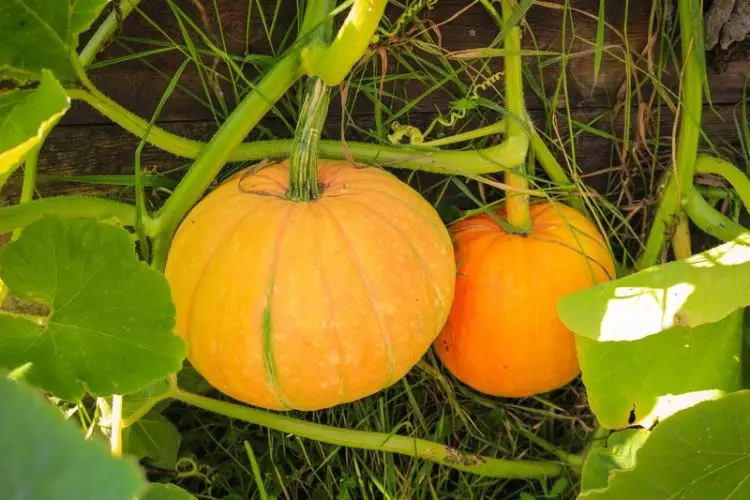
Growing pumpkins can be a rewarding experience, whether you’re a seasoned gardener or just starting out. Knowing how to grow pumpkins successfully involves selecting the right variety, finding the perfect location, and preparing the soil for planting. By following these steps, you can ensure a bountiful harvest of vibrant pumpkins in your own backyard. With a little bit of patience and care, you’ll soon be enjoying the fruits of your labor as you watch your pumpkin patch thrive. Get ready to roll up your sleeves and dive into the wonderful world of pumpkin growing!
Guide on How to Grow Pumpkins
| Step | Description | Timing | Location | Watering | Harvesting |
|---|---|---|---|---|---|
| 1 | Choose the right pumpkin variety | Spring | Full sun | Regularly, especially during fruit development | When the skin hardens and turns a deep, solid color |
| 2 | Prepare the soil | Spring | Well-draining and fertile soil | Keep soil consistently moist but not waterlogged | Wait until the fruit is fully mature |
| 3 | Plant the seeds or seedlings | After the last frost | Directly in the ground or in containers | Water deeply after planting and keep soil consistently moist | Use a sharp knife to cut the stem, leaving a few inches attached to the fruit |
Choosing the Right Pumpkin Variety
When it comes to growing pumpkins, selecting the right variety is crucial for a successful harvest. Consider factors such as the size of the pumpkins you want, the climate in your area, and the amount of space you have available. For smaller gardens, choose a compact variety like ‘Jack Be Little,’ while ‘Atlantic Giant’ is perfect for those looking to grow massive pumpkins for competitions. Don’t forget to think about the flavor and texture of the pumpkins you prefer, whether it’s for baking, carving, or simply decorating. Ultimately, the key is to choose a variety that suits your needs and preferences to ensure a bountiful harvest.
Key Takeaways:
1. Consider the size, climate, and space requirements when choosing a pumpkin variety.
2. Compact varieties like ‘Jack Be Little’ are ideal for smaller gardens.
3. ‘Atlantic Giant’ is perfect for those looking to grow massive pumpkins.
4. Think about the flavor and texture of the pumpkins for your intended use.
5. Choose a variety that suits your needs and preferences for a successful harvest.
Choosing the Perfect Location for Your Pumpkin Patch
When it comes to growing pumpkins, selecting the right location is crucial for their success. Pumpkins thrive in sunny spots with well-draining soil. Choose an area in your garden that receives at least six to eight hours of sunlight daily. Avoid low-lying areas that can become waterlogged, as this can lead to root rot. Additionally, ensure your chosen location has enough space for the vines to spread out comfortably. By providing your pumpkin plants with the ideal conditions, you’ll set them up for a bountiful harvest come fall.
Preparing the Soil for Planting
When it comes to learning how to grow pumpkins successfully, one of the most critical steps is preparing the soil. Pumpkins thrive in well-draining, nutrient-rich soil that is slightly acidic. Begin by clearing the area of any weeds, rocks, or debris, as pumpkins need space to spread out their vines. Then, incorporate organic matter such as compost or aged manure to enhance soil fertility. This will provide your pumpkin plants with the necessary nutrients to develop healthy and robust fruits. Remember, healthy soil leads to healthy plants, so investing time in preparing the soil will undoubtedly pay off in the long run.
Planting Your Pumpkin Seeds or Seedlings
When it comes to planting your pumpkin seeds or seedlings, timing is key. Wait until all danger of frost has passed and the soil temperature reaches around 70°F. Dig a hole about 1-2 inches deep and place 2-3 seeds in each hole. Cover them with soil and water gently. If you’re using seedlings, make sure to space them about 2-3 feet apart to allow room for growth. Remember to water your pumpkin plants regularly, especially during dry spells, to keep the soil moist. With patience and care, you’ll soon see those vibrant orange pumpkins start to grow!
Caring for Your Pumpkin Plants
Growing pumpkins can be a rewarding experience, but it requires diligent care to ensure a bountiful harvest. Once your pumpkin plants have sprouted, it’s essential to provide them with proper attention to promote healthy growth. Regular watering, especially during dry spells, is crucial to keep the soil moist and prevent the plants from wilting. Additionally, fertilizing your pumpkins with a balanced fertilizer can help them thrive. Be sure to watch out for pests and diseases that may hinder your plants’ growth and take necessary measures to protect them. By following these simple steps, you can ensure your pumpkin plants reach their full potential. How to grow pumpkins.
Read also about: Discover the Secrets to Growing Healthy and Delicious Potatoes!
Harvesting and Storing Your Pumpkins
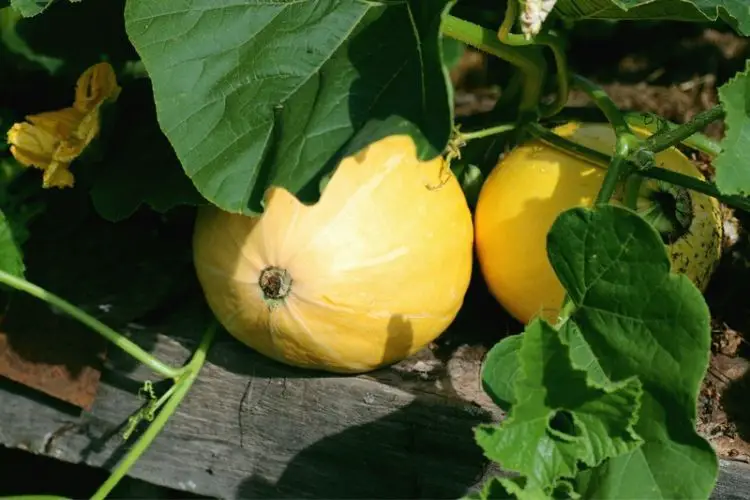
After months of patiently tending to your pumpkin patch, the time has finally come to harvest your prized pumpkins. When the pumpkins have turned a deep, uniform color and have hard rinds, they are ready to be picked. Use a sharp knife to cut the stem, leaving a few inches attached to the pumpkin. Handle them carefully to avoid any bruising. Once harvested, it’s essential to cure them in a warm, dry place for about two weeks to toughen the skin and prolong shelf life. Store them in a cool, dry area to keep them fresh for months to come.
Frequently Asked Questions about Growing Pumpkins
How do I start growing pumpkins?
To start growing pumpkins, you will need to first select a sunny spot in your garden with well-draining soil. Plant pumpkin seeds directly into the ground after the last frost date in your area. Make sure to water them regularly and provide support for the vines as they grow.
What is the best way to care for pumpkin plants?
The best way to care for pumpkin plants is to water them deeply and consistently, especially during dry spells. Fertilize the plants with a balanced fertilizer to promote healthy growth. Mulch around the base of the plants to retain moisture and suppress weeds.
When should I harvest my pumpkins?
Pumpkins are typically ready to harvest when the skin has hardened and turned a deep, uniform color. The stem should also begin to dry out and turn brown. Use a sharp knife to cut the pumpkin from the vine, leaving a few inches of stem attached.
How can I protect my pumpkin plants from pests and diseases?
To protect your pumpkin plants from pests and diseases, practice good garden hygiene by removing any debris or dead plant material from the garden. Use row covers to protect young plants from pests and monitor for signs of disease such as yellowing leaves or powdery mildew.
Can I grow pumpkins in containers?
Yes, you can grow pumpkins in containers as long as the containers are large enough to accommodate the vines. Make sure to use a well-draining soil mix and provide support for the vines as they grow. Water the plants regularly and fertilize them every few weeks.
What are some common problems when growing pumpkins?
Some common problems when growing pumpkins include poor pollination, which can result in misshapen fruit, and powdery mildew, which can affect the leaves. To prevent these issues, hand-pollinate the flowers if necessary and monitor for signs of disease.
What are the best pumpkin varieties for beginners?
Some of the best pumpkin varieties for beginners include ‘Jack Be Little’, ‘Baby Boo’, and ‘Small Sugar’. These varieties are compact in size and easy to grow, making them ideal for novice gardeners.
Conclusion
Growing pumpkins can be a rewarding experience, whether you are a seasoned gardener or just starting out. By following these tips and techniques, you can successfully grow your own pumpkins at home. Remember to be patient and attentive to your plants’ needs, and you will be rewarded with a bountiful harvest come autumn.
Also Read: Gardening Tips for Beginners