
Gardening Tips for Beginners
Embarking on the journey of gardening as a beginner can seem like a daunting task, but fear not! Gardening is a wonderful hobby that offers countless benefits, from connecting with nature to reaping the rewards of your hard work. It’s a therapeutic escape from the hustle and bustle of everyday life, allowing you to unwind and reconnect with the earth. As you dip your toes into the world of gardening, remember to start small and be patient with yourself. Like any skill, gardening takes time to master, so don’t be discouraged by initial setbacks. With the right guidance and a sprinkle of determination, you’ll soon find yourself thriving in the garden.
Tips for Beginners:
| Tip | Description |
|---|---|
| Start small | Begin with a small garden to learn the basics and avoid feeling overwhelmed. |
| Choose the right plants | Select plants that are easy to grow and suitable for your climate. |
| Provide proper sunlight | Make sure your plants receive the right amount of sunlight for optimal growth. |
| Water regularly | Ensure your plants are watered consistently to keep them healthy and thriving. |
| Use quality soil | Invest in good soil to provide essential nutrients for your plants. |
| Learn from others | Join a gardening community or seek advice from experienced gardeners to improve your skills. |
Choosing the Right Location for Your Garden
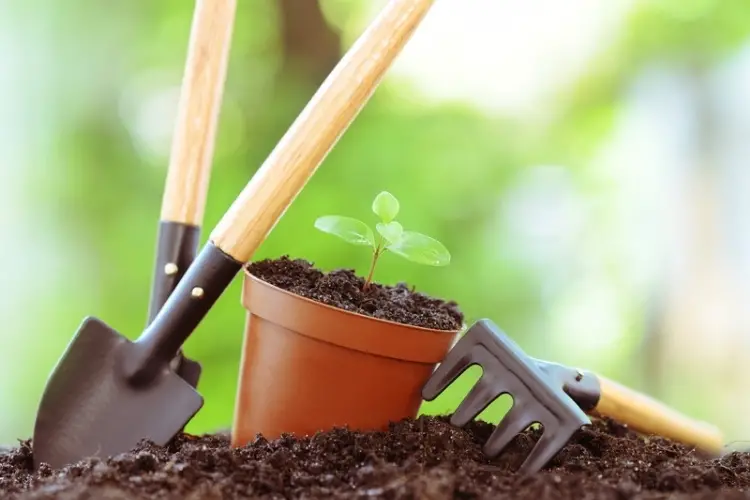
When starting your gardening journey as a beginner, one of the most crucial steps is selecting the perfect spot for your plants to thrive. Consider factors such as sunlight exposure, water drainage, and proximity to your home for easy access. A location with at least six hours of sunlight is ideal for most plants, while ensuring proper drainage will prevent root rot and other water-related issues. Being close to your house will make it easier to monitor and tend to your garden regularly, increasing your chances of success in this new venture.
Understanding Your Soil and How to Improve It
When starting your journey into gardening, one of the most crucial aspects to consider is the quality of your soil. Different plants require different types of soil to thrive, so taking the time to understand your soil composition is essential. You can easily test your soil with DIY kits or consult a local gardening store for professional advice. Once you know your soil type, you can take steps to improve it by adding organic matter like compost or manure. This will help provide essential nutrients and improve drainage, setting the foundation for a successful garden. Remember, healthy soil equals healthy plants!
Choosing the Right Plants for Your Skill Level
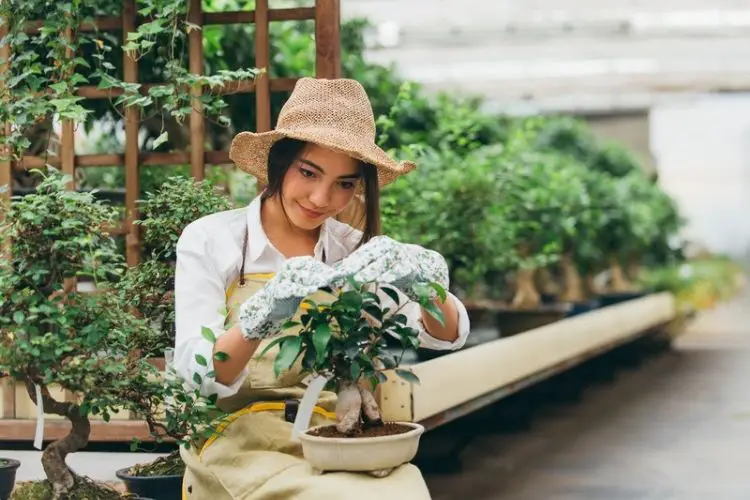
When starting your gardening journey, it’s essential to select plants that match your experience level. As a beginner, opt for low-maintenance plants that are hardy and forgiving. Plants like succulents, herbs, and certain vegetables are great choices for those new to gardening. They require minimal attention and are more likely to thrive even if you make a few mistakes along the way. Remember, it’s all about learning and growing, so don’t be afraid to start small and gradually work your way up to more challenging plants as you gain confidence. With these gardening tips for beginners in mind, you’ll be on your way to cultivating a beautiful and rewarding garden in no time.
Gardening Tips for Beginners
Proper watering and sunlight are crucial factors in ensuring your plants thrive. Overwatering can lead to root rot, while underwatering can cause wilting and stunted growth. It’s essential to strike a balance and water your plants only when the soil is dry to the touch. Additionally, different plants have varying sunlight requirements, so make sure to place them in locations that receive the right amount of sunlight each day. Observing your plants regularly and adjusting your watering and sunlight accordingly will help you develop a green thumb in no time!
Tips for Pest Control and Disease Prevention
When it comes to gardening, dealing with pests and diseases is a common challenge that beginners often face. One of the best gardening tips for beginners is to regularly inspect your plants for any signs of trouble. Keep an eye out for yellowing leaves, holes in the foliage, or unusual spots. By catching these issues early on, you can take the necessary steps to prevent further damage. Additionally, consider using natural remedies like neem oil or companion planting to deter pests without harming your plants. Remember, a little prevention can go a long way in keeping your garden healthy and thriving.
Read also about: Growing Avocado
Maintenance Tips to Keep Your Garden Thriving
Keeping your garden flourishing requires consistent care and attention to detail. Regularly check for weeds and remove them promptly to prevent them from competing with your plants for nutrients. Pruning dead or damaged branches will help promote healthy growth and improve the overall appearance of your garden. Remember to fertilize your plants according to their specific needs to ensure they receive the necessary nutrients for optimal growth. Additionally, be vigilant in monitoring for any signs of pests or diseases, taking immediate action to prevent them from spreading. By staying on top of these maintenance tasks, you’ll enjoy a vibrant and thriving garden all season long.
Frequently Asked Questions
What are some essential gardening tips for beginners?
Are you new to gardening and feeling overwhelmed? Start small! Choose easy-to-grow plants like herbs or succulents to build your confidence. Remember to research the specific needs of each plant and don’t be afraid to ask for help from experienced gardeners.
How often should I water my plants?
Watering frequency can vary depending on the type of plant and the weather conditions. As a general rule of thumb, check the soil moisture regularly and only water when it feels dry to the touch. Overwatering can be just as harmful as underwatering, so observe your plants closely and adjust as needed.
What is the best way to fertilize my garden?
Fertilizing is essential to provide your plants with the nutrients they need to thrive. Choose a balanced fertilizer suitable for your plant types and follow the instructions carefully. Remember, it’s always better to under-fertilize than to over-fertilize, as too much can harm your plants.
How can I prevent pests and diseases in my garden?
One of the best ways to prevent pests and diseases is to maintain good hygiene in your garden. Remove any dead leaves or debris, and regularly inspect your plants for signs of trouble. Consider using natural remedies or organic pesticides to protect your garden without harming the environment.
What should I do if my plants are not growing well?
If your plants are struggling to grow, there could be several reasons why. Check for issues like insufficient sunlight, poor soil quality, or overwatering. Make adjustments as needed and give your plants some time to recover. Remember, gardening is a learning process, and it’s okay to make mistakes along the way.
How can I create a successful garden layout?
When designing your garden layout, consider factors like sunlight exposure, plant heights, and spacing requirements. Think about how you want to use your garden space and create a plan that is both functional and visually appealing. Don’t be afraid to experiment and make changes as you learn what works best for your plants.
Is it okay to make mistakes as a beginner gardener?
Absolutely! Making mistakes is a natural part of the learning process, and even experienced gardeners have had their fair share of failures. Embrace your mistakes as opportunities to grow and improve your gardening skills. Remember, every plant you care for teaches you something new.
Conclusion
Gardening can be a rewarding and fulfilling hobby, but it takes time and patience to master. By following these tips and staying curious, you’ll soon become a confident gardener. Remember, every plant has its own unique needs, so don’t be afraid to experiment and discover what works best for you. Happy gardening!
Also Read: How to Grow Zucchini Successfully