
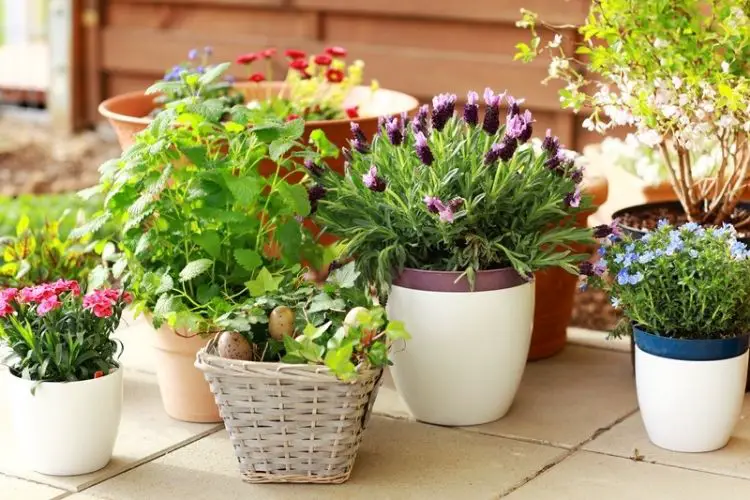
Are you ready to embark on the journey of growing outdoor plants in pots? It’s a rewarding experience that allows you to bring nature right to your doorstep. Whether you have limited space or simply want to add a touch of greenery to your outdoor area, this guide will help you navigate through the essentials of nurturing plants in containers. From choosing the right pots to understanding proper soil mixtures, watering techniques, and maintenance tips, you’ll soon be on your way to creating a vibrant and thriving outdoor oasis right at home.
Guide to Growing Outdoor Plants in Pots
| Plant Type | Pot Size | Soil Type | Watering Frequency | Sunlight Requirements | Fertilization Needs |
|---|---|---|---|---|---|
| Herbs | 6 inches | Well-draining | Regularly, when soil is dry | 6-8 hours of sunlight | Weekly liquid fertilizer |
| Flowers | 12 inches | Rich soil with compost | Varies, typically 1-2 times a week | Full sun to partial shade | Monthly slow-release fertilizer |
| Vegetables | 16 inches or larger | Organic potting mix | Regularly, keeping soil moist | 6-8 hours of sunlight | Bi-weekly liquid fertilizer |
Choosing the Right Containers for Your Outdoor Plants
When it comes to growing outdoor plants in pots, selecting the right containers is crucial for their health and growth. Opt for containers that provide good drainage to prevent waterlogging, as excess moisture can lead to root rot. Consider the size of the plant and its root system when choosing the pot size to ensure adequate space for growth. Additionally, look for containers made of durable materials such as plastic, ceramic, or terracotta, as they can withstand outdoor conditions. Remember to match the style of the container with the plant for a cohesive and visually appealing outdoor space.
Key Takeaways:
1. Choose containers with good drainage to prevent root rot.
2. Select pot size based on the plant’s size and root system.
3. Opt for durable materials like plastic, ceramic, or terracotta.
4. Match the style of the container with the plant for a cohesive look.
5. Avoid overcrowding plants in small pots to allow for proper growth.
6. Consider the weight of the container for ease of moving and maintenance.
Choosing the Perfect Location for Your Potted Plants
When it comes to growing outdoor plants in pots, one of the most crucial factors to consider is the location. You want to ensure that your plants receive the right amount of sunlight throughout the day. Some plants thrive in full sun, while others prefer partial shade. Take note of how the sun moves across your outdoor space and place your pots accordingly. Additionally, consider the wind exposure in your chosen location. Strong winds can damage delicate plants, so try to find a spot that offers some protection. By carefully selecting the perfect location for your potted plants, you are setting them up for success from the very beginning.
Proper Soil Mix for Outdoor Plant Growth
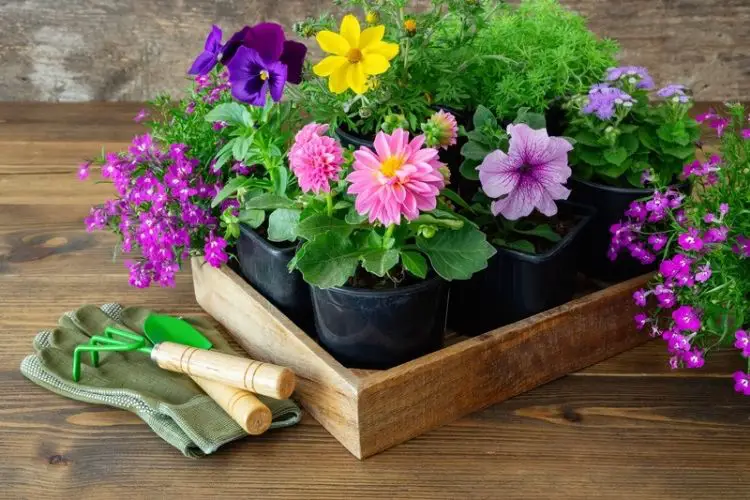
When it comes to growing outdoor plants in pots, choosing the right soil mix is crucial for their health and growth. A good potting mix should be well-draining yet retain enough moisture to keep your plants hydrated. Consider a blend of peat moss, perlite, and vermiculite to create a balanced environment for your plants’ roots to thrive. Adding compost or organic matter can also provide essential nutrients for healthy growth. Remember, the soil mix you choose can make all the difference in how your outdoor plants in pots flourish.
Watering and Fertilizing Techniques for Potted Plants
One of the most crucial aspects of growing outdoor plants in pots is ensuring they receive the right amount of water and nutrients. Overwatering can lead to root rot, while under-watering can cause stunted growth. To strike the perfect balance, water your plants when the top inch of soil feels dry to the touch. Additionally, fertilize your potted plants every few weeks during the growing season to replenish essential nutrients. Remember, moderation is key when it comes to fertilizing – too much can harm your plants rather than help them thrive. By mastering these techniques, you’ll set your outdoor plants up for success.
Pruning and Maintenance Tips for Healthy Outdoor Plants
When it comes to maintaining the health and beauty of your outdoor plants in pots, pruning is a crucial step. Regularly trimming back overgrown branches or dead foliage not only improves the overall appearance of your plants but also encourages new growth. Remember, it’s like giving your plants a fresh haircut to stimulate growth and vitality. Additionally, keeping an eye on your plants for any signs of disease or pests is essential. By regularly inspecting your plants and taking proactive measures, you can prevent potential issues from escalating. Overall, by incorporating these pruning and maintenance tips into your plant care routine, you’ll ensure your outdoor plants thrive beautifully.
Read also about: Tips for Growing Juicy Strawberries
Dealing with Common Pests and Diseases in Potted Plants
One of the biggest challenges when it comes to growing outdoor plants in pots is dealing with pests and diseases that can wreak havoc on your greenery. From pesky aphids to stubborn powdery mildew, these unwanted guests can quickly turn your thriving garden into a battle zone. To combat this, it’s essential to stay vigilant and regularly inspect your plants for any signs of trouble. Keep a close eye out for yellowing leaves, holes in foliage, or strange spots that could indicate an infestation. If you do spot any issues, act promptly with natural remedies or consult a professional for guidance. Remember, a healthy plant is a happy plant!
Frequently Asked Questions
What are the best plants to grow in pots outdoors?
Wondering which plants thrive best in pots outdoors? Well, it really depends on your climate and the amount of sunlight your space gets. However, some popular choices include herbs like basil and mint, flowering plants like geraniums and petunias, and even vegetables like cherry tomatoes and peppers.
How often should I water my outdoor plants in pots?
Watering frequency is key to the success of your potted plants. As a general rule of thumb, you should check the soil moisture regularly and water when the top inch feels dry. In hotter weather, you may need to water more frequently to keep your plants hydrated.
What type of soil is best for outdoor potted plants?
The type of soil you use can make a big difference in the health of your plants. Look for a well-draining potting mix that is formulated for outdoor container gardening. Avoid using regular garden soil, as it can become compacted and hinder root growth in pots.
How can I protect my outdoor plants in pots from pests?
Dealing with pests can be a common challenge when growing plants outdoors. To help protect your potted plants, consider using natural remedies like neem oil or introducing beneficial insects like ladybugs. Regularly inspect your plants for signs of pests and take action promptly.
Do outdoor plants in pots need fertilizer?
Fertilizing your outdoor plants in pots can help provide them with essential nutrients for healthy growth. Choose a balanced fertilizer specifically formulated for container plants and follow the instructions on the package for best results. Be careful not to over-fertilize, as this can harm your plants.
How can I make my outdoor potted plants thrive?
To ensure your outdoor potted plants thrive, it’s essential to provide them with the right growing conditions. This includes adequate sunlight, proper watering, good drainage, and regular maintenance such as pruning and deadheading. Pay attention to the specific needs of each plant to help them reach their full potential.
What are some creative ways to display outdoor plants in pots?
Adding a personal touch to your outdoor plant displays can make your space feel unique and inviting. Consider using a variety of pot sizes, shapes, and colors to create visual interest. You can also get creative with hanging planters, vertical gardens, or repurposed containers like old barrels or crates.
Conclusion
In conclusion, growing outdoor plants in pots can be a rewarding experience. By choosing the right plants, providing proper care, and adding your own creative flair, you can create a beautiful and thriving container garden. Remember to observe your plants closely, adapt to their needs, and enjoy the process of nurturing green life right outside your doorstep.
Also Read: How to Grow Beautiful Lemons in Your Garden