
Are you eager to learn how to grow corn at home? Imagine the satisfaction of harvesting your very own ears of corn, straight from your backyard. The process of growing corn may seem daunting at first, but with the right guidance and a little bit of patience, you can successfully cultivate this staple crop in your own garden. Whether you’re a seasoned gardener or a novice enthusiast, growing corn can be a rewarding experience that connects you to the earth and provides you with a bountiful harvest to enjoy with your loved ones.
Guide to Growing Corn at Home
| Steps | Materials Needed | Best Corn Varieties | Planting Depth | Watering Schedule | Harvesting Time |
|---|---|---|---|---|---|
| Prepare the Soil | Garden Spade, Compost | Sweet Corn, Popcorn, Field Corn | 1-2 inches | Regularly, 1-1.5 inches per week | After 60-100 days |
| Planting Seeds | Corn Seeds, Garden Hoe | Ambrosia, Bodacious, Honey Select | 12-24 inches apart | In the morning or evening | When tassels turn brown |
| Weeding and Fertilizing | Organic Fertilizer, Mulch | Blue Jade, Country Gentleman, Golden Bantam | Avoid damaging roots | During early growth stages | When kernels are plump and milky |
Choosing the Right Variety of Corn
When it comes to growing corn at home, selecting the right variety is crucial. Consider factors such as your climate, available space, and desired taste. For beginners, starting with a variety that is known for its resilience and adaptability can increase your chances of success. Popular choices among home gardeners include Sweet Corn, Popcorn, and Flint Corn. Each type has its unique characteristics, so do some research to find the one that suits your preferences best. Remember, the right variety can make all the difference in your corn-growing journey.
Key takeaways:
1. Consider your climate and space when choosing a corn variety.
2. Research different types of corn, such as Sweet Corn, Popcorn, and Flint Corn.
3. Start with a variety known for resilience and adaptability if you’re a beginner.
4. The right variety can impact the taste and success of your corn crop.
5. Take the time to understand the unique characteristics of each type of corn.
6. Experiment with different varieties to find the one that best fits your preferences.
Preparing the Soil for Planting
Before you start planting your corn seeds, it’s crucial to prepare the soil properly. Corn plants require rich, well-draining soil with a pH level between 6.0 and 7.0 for optimal growth. To enhance soil fertility, consider adding compost or well-aged manure to provide essential nutrients for your corn plants. Make sure to till the soil to a depth of at least 8 inches to ensure good root development. Additionally, remove any rocks, weeds, or debris that could impede the growth of your corn plants. By taking the time to prepare your soil adequately, you’ll set the foundation for a successful corn harvest.
Planting Corn Seeds
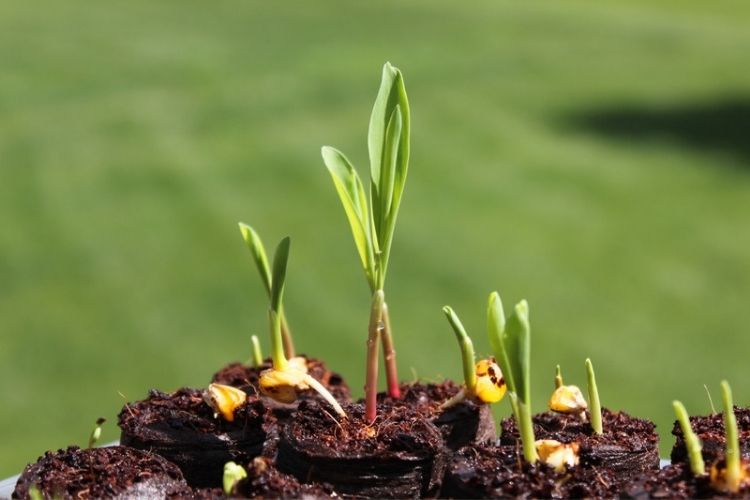
When it comes to planting corn seeds, timing is crucial. You want to wait until the soil has warmed up to at least 60°F before planting. This usually happens in late spring or early summer, depending on your location. Once the soil is ready, plant your corn seeds about 1-2 inches deep and 9-12 inches apart in rows. Make sure to give them plenty of room to grow and spread out their roots. Remember to water them regularly, especially during dry spells, to ensure they have enough moisture to thrive. With the right care and attention, your corn seeds will soon sprout and begin their journey towards becoming delicious corn on the cob.
Caring for Corn Plants
Growing corn at home requires consistent care to ensure a successful harvest. Once your corn seeds have sprouted, it’s essential to provide them with the right conditions to thrive. Make sure to water your corn plants regularly, especially during dry periods, to keep the soil moist. Additionally, fertilize your corn plants every three to four weeks to provide them with essential nutrients for growth. Keep an eye out for any pests or diseases that may affect your corn plants and take appropriate measures to protect them. By giving your corn plants the attention they need, you’ll be rewarded with a bountiful harvest.
Harvesting Corn
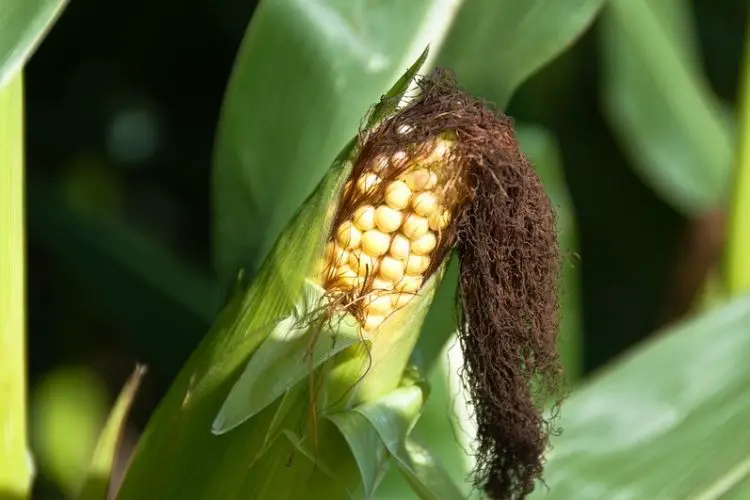
When it comes to harvesting corn, timing is key. You want to make sure the corn is at its peak ripeness before picking. How do you know when it’s ready? Well, the silk on the ears should be dry and brown while the kernels should be plump and juicy when pierced. To test if the corn is ready, you can peel back the husk slightly and press a kernel with your fingernail. If it oozes a milky substance, then it’s time to harvest. Gently twist the ear downward and pull it off the stalk. Voila! Fresh, homegrown corn ready for the table.
Read also about: Essential Tools Needed for Home Gardening
Troubleshooting Common Corn Growing Issues
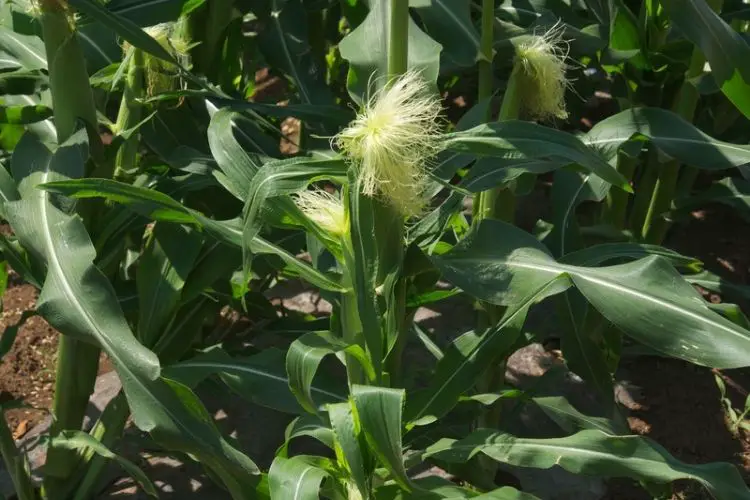
Growing corn at home can be a rewarding experience, but like any gardening endeavor, it comes with its share of challenges. One common issue that many corn growers face is poor pollination, which can result in ears with missing kernels. To combat this problem, try planting corn in blocks rather than single rows to encourage better pollination. Another issue to watch out for is pests, such as corn earworms or aphids, which can wreak havoc on your crop. To deter these unwanted visitors, consider using natural predators or organic pesticides to protect your corn plants. By staying vigilant and proactive in addressing these common problems, you can increase your chances of a successful corn harvest.
Frequently Asked Questions about Growing Corn at Home
Can I grow corn at home without a large garden?
Absolutely! While corn traditionally requires a lot of space to grow, there are dwarf varieties and container-friendly options that can thrive in smaller spaces like balconies or patios.
What are the key factors to consider when growing corn at home?
Sunlight, soil quality, watering, and spacing are crucial. Corn plants need full sun, well-draining soil rich in nutrients, consistent watering, and enough space between each plant for proper growth.
How do I know when my corn is ready to harvest?
The best way to tell if your corn is ready to harvest is by checking the kernels. When they are plump and release a milky substance when punctured, your corn is ripe and ready to be picked.
Can I grow corn at home year-round?
Corn is typically a warm-season crop, so it thrives in the spring and summer months. However, you can extend your growing season by starting seeds indoors and transplanting them outside after the last frost date.
What are some common pests and diseases that affect corn plants?
Corn earworms, aphids, and armyworms are common pests that can damage corn plants. Diseases like rust, smut, and blight can also affect the health of your corn. Using organic pest control methods and proper crop rotation can help prevent these issues.
How often should I fertilize my corn plants?
Corn plants are heavy feeders and benefit from regular fertilization throughout the growing season. A balanced fertilizer with nitrogen, phosphorus, and potassium can help promote healthy growth and development.
What are some creative ways to enjoy homegrown corn?
Freshly picked corn can be enjoyed in a variety of ways, from grilling and roasting to making corn salsa or adding it to soups and salads. Get creative in the kitchen and experiment with different recipes to make the most of your homegrown corn.
Conclusion
Growing corn at home can be a rewarding experience, whether you have a large garden or just a small balcony. By paying attention to key factors like sunlight, soil quality, and watering, you can successfully cultivate your own corn crop. Remember to stay vigilant against pests and diseases, and don’t forget to enjoy the fruits of your labor in delicious dishes all summer long. Happy growing!
Also Read: Discover the Art of Companion Planting for Vegetables