
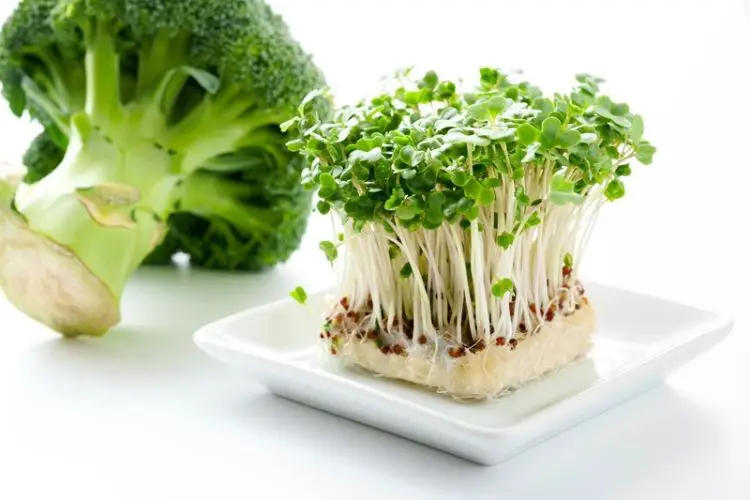
Are you ready to learn how to grow broccoli in your own backyard? It’s a rewarding experience that will not only provide you with delicious, nutritious veggies but also connect you with nature in a meaningful way. Imagine the satisfaction of harvesting your own fresh broccoli to enjoy with your family and friends. By following the right steps and putting in a little bit of effort, you can successfully grow broccoli in your garden. Let’s dive into the exciting world of broccoli cultivation and discover the secrets to a bountiful harvest!
How to Grow Broccoli
| Step | Description | Tips | Time Frame | Harvesting | Common Pests |
|---|---|---|---|---|---|
| 1 | Start seeds indoors or directly sow in the garden. | Ensure soil is well-draining and rich in nutrients. | 6-8 weeks before the last frost date. | Harvest when the head is tight and dark green. | Cabbage worms, aphids, and flea beetles. |
| 2 | Transplant seedlings once they have 4-6 true leaves. | Water consistently and provide adequate sunlight. | After the danger of frost has passed. | Check for readiness by squeezing head firmness. | Row covers can help prevent pest infestations. |
| 3 | Fertilize with a balanced fertilizer every 3-4 weeks. | Monitor for signs of nutrient deficiencies. | Throughout the growing season. | Cut the main head, and side shoots will continue to produce. | Neem oil and insecticidal soap can help control pests. |
Choosing the Right Broccoli Variety
When it comes to selecting the perfect broccoli variety for your garden, there are a few key factors to consider. First and foremost, think about the climate in which you live. Some varieties of broccoli are better suited to cooler temperatures, while others thrive in warmer climates. Additionally, consider the size of the heads you prefer. Some varieties produce smaller, more compact heads, while others yield larger, more substantial florets. It’s also essential to think about the maturation time of the broccoli – do you want an early harvest or are you willing to wait a bit longer for a larger yield? By taking these factors into account, you can choose a broccoli variety that best suits your garden and culinary preferences.
Key Takeaways:
1. Consider your climate when selecting a broccoli variety.
2. Think about the size of the heads you prefer.
3. Consider the maturation time of the broccoli.
4. Choose a variety that aligns with your gardening and cooking needs.
Preparing the Soil for Broccoli
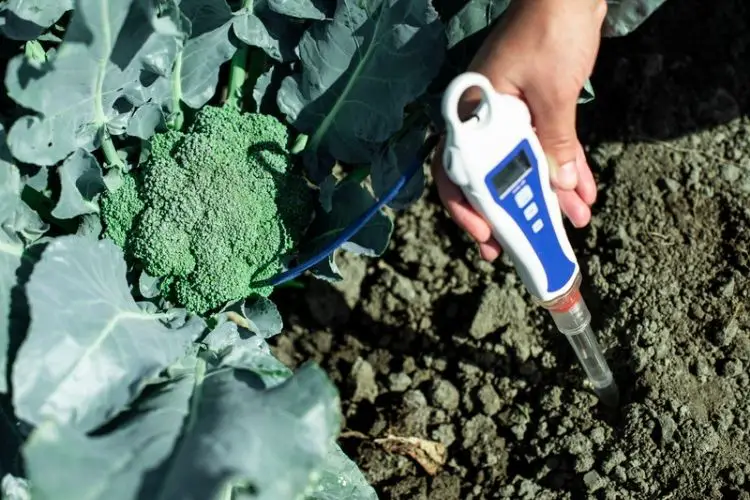
When it comes to growing broccoli, one of the most crucial steps is preparing the soil. Think of it as creating a cozy home for your broccoli plants to thrive in. Start by choosing a sunny spot in your garden with well-draining soil. Before planting, enrich the soil with organic matter like compost or aged manure to provide essential nutrients for your broccoli. Remember, healthy soil equals healthy plants. Mix in some balanced fertilizer to give your broccoli a nutrient boost. By taking the time to properly prepare the soil, you are setting the stage for a successful broccoli harvest.
Planting Broccoli Seeds or Seedlings
Are you ready to take the next step in your broccoli-growing journey? Planting broccoli seeds or seedlings is a crucial part of the process. If you opt for seeds, make sure to start them indoors about 6-8 weeks before the last frost date. Once they’ve sprouted, transplant them into your garden beds, making sure to space them adequately to allow for proper growth. Alternatively, if you choose seedlings, ensure they are healthy and robust before planting them in well-prepared soil. Remember, the key is to provide your broccoli plants with the best start possible to ensure a bountiful harvest. How to grow broccoli successfully? Start by planting your seeds or seedlings with care and attention to detail.
Caring for Broccoli Plants
Once you’ve successfully planted your broccoli, it’s essential to give them the care they need to thrive. Broccoli plants require consistent watering, preferably at the base to avoid wetting the leaves, which can lead to diseases. Mulching around the plants helps retain moisture and suppress weeds, giving your broccoli the best chance at growing strong. Regularly checking for pests like aphids and caterpillars is crucial, as early detection can prevent a full-blown infestation. Additionally, providing adequate support for the plants as they grow taller will prevent them from toppling over in windy conditions. By nurturing your broccoli plants with these simple steps, you’ll soon be rewarded with a bountiful harvest.
Dealing with Common Broccoli Pests and Diseases
When it comes to growing broccoli, dealing with pests and diseases is just part of the process. But don’t worry, with a little bit of knowledge and some proactive measures, you can keep your broccoli plants healthy and thriving. One common pest that you may encounter is the cabbage worm, which can quickly decimate your crop if left unchecked. To combat these pesky critters, try using floating row covers or handpicking them off your plants. Additionally, keep an eye out for signs of diseases like clubroot or powdery mildew, and promptly remove any affected plants to prevent further spread. Remember, a little extra care goes a long way in ensuring a successful broccoli harvest.
Read also about: Discover the Beauty of Growing Roses
Harvesting and Storing Broccoli
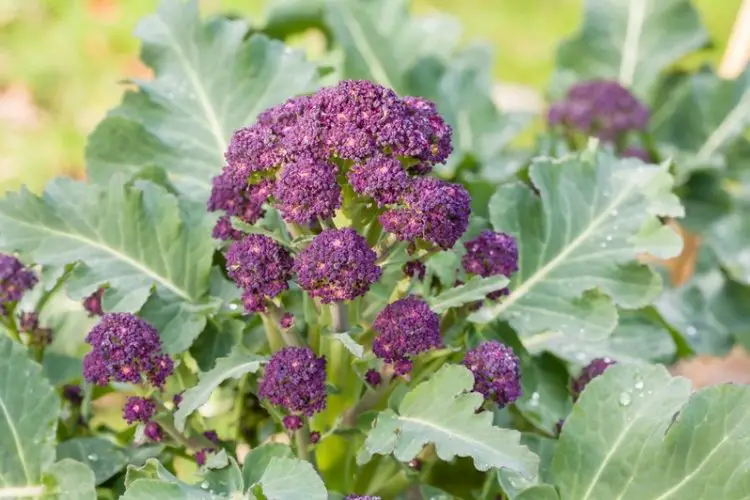
When it comes to harvesting your broccoli, timing is crucial. You want to pick the main head when it is tight and compact, usually around 6 to 8 inches in diameter. Cut the head at an angle, leaving about 6 inches of stem attached to encourage side shoots to develop. These side shoots will give you a second, smaller harvest of delicious broccoli. After harvesting, it’s important to store your broccoli properly to maintain its freshness. You can keep it in the refrigerator for up to a week, or blanch and freeze it for longer storage. Enjoy the fruits of your labor by incorporating freshly harvested broccoli into your favorite dishes!
Frequently Asked Questions about Growing Broccoli
How do I start growing broccoli from seeds?
Starting broccoli from seeds is a simple process. Begin by sowing the seeds indoors about 6-8 weeks before your last frost date. Plant the seeds about 1/4 inch deep in a seedling tray filled with quality potting soil. Keep the soil consistently moist and provide plenty of light for optimal growth.
What are the best growing conditions for broccoli?
Broccoli thrives in cool weather with temperatures ranging from 60-75°F. It requires well-draining soil rich in organic matter and a sunny location with at least 6 hours of sunlight per day. Make sure to water consistently, keeping the soil evenly moist but not waterlogged.
How do I protect my broccoli plants from pests and diseases?
To protect your broccoli plants from pests like aphids and cabbage worms, consider using natural remedies such as neem oil or insecticidal soap. For diseases like clubroot or downy mildew, ensure proper air circulation and avoid overhead watering to prevent the spread of spores.
When is the best time to harvest broccoli?
Harvest your broccoli when the heads are compact, dark green, and firm to the touch. Avoid waiting too long to harvest, as overmature heads can become tough and bitter. Cut the main head at an angle, leaving the plant intact to produce smaller side shoots for continuous harvest.
Can I grow broccoli in containers?
Yes, broccoli can be successfully grown in containers as long as they are at least 12 inches deep and have proper drainage holes. Choose a compact variety suited for container growing and provide regular feeding with a balanced fertilizer to support healthy growth.
How do I extend the broccoli growing season?
You can extend the broccoli growing season by planting a second crop in late summer for a fall harvest. Additionally, consider using row covers or cold frames to protect the plants from early frosts and provide them with a warm microclimate to thrive.
What are some common mistakes to avoid when growing broccoli?
Some common mistakes to avoid when growing broccoli include overcrowding plants, neglecting to thin seedlings, underwatering or overwatering, and planting at the wrong time of year. It’s essential to follow proper spacing, watering, and planting guidelines to ensure a successful broccoli harvest.
Conclusion
Growing broccoli can be a rewarding experience with proper care and attention to detail. By following the right techniques and addressing common challenges, you can enjoy a bountiful harvest of delicious and nutritious broccoli. Remember to stay patient, observe your plants closely, and make adjustments as needed to support their growth. Happy gardening!
Also Read: Tips for Growing Juicy Strawberries