
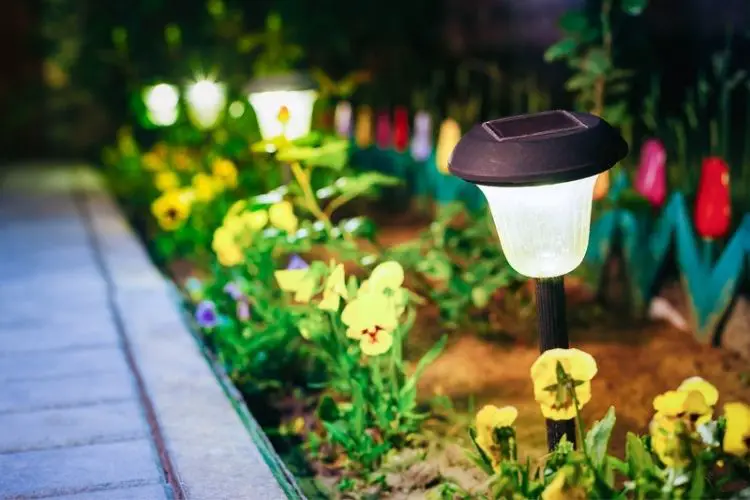
Creating a zero-waste garden is not only beneficial for the environment but can also be a rewarding experience for any gardener. It’s all about being mindful of the materials and resources we use, and making conscious choices to minimize waste. By implementing sustainable practices, such as composting, water conservation, and natural pest control methods, you can create a thriving garden that produces minimal waste. In this article, we will explore how to create a zero-waste garden and share practical tips and techniques to help you get started on your journey towards a more sustainable garden.
Zero-Waste Garden Guide
| Step | Description | Benefits | Tools Needed | Cost |
|---|---|---|---|---|
| 1 | Choose organic seeds or seedlings | Reduces exposure to harmful chemicals | Gardening gloves, seed trays | Varies |
| 2 | Compost kitchen scraps for fertilizer | Nourishes plants naturally | Compost bin, kitchen caddy | Low cost |
| 3 | Use rainwater for irrigation | Conserves water and reduces utility bills | Rain barrel, watering can | Initial investment |
| 4 | Repurpose containers for planting | Reduces waste and adds unique flair | Empty cans, jars, or bottles | No additional cost |
Choosing the Right Plants for a Zero-Waste Garden
When creating a zero-waste garden, choosing the right plants is essential. Opt for native species that are well-adapted to your climate and soil conditions. These plants will require less water, fertilizer, and maintenance, reducing waste in the long run. Additionally, consider planting a variety of flowers, vegetables, and herbs to promote biodiversity and attract beneficial insects for natural pest control. By carefully selecting your plants, you can create a thriving ecosystem that minimizes waste and maximizes sustainability.
Key Takeaways:
1. Choose native plants that thrive in your climate and soil conditions.
2. Plant a variety of flowers, vegetables, and herbs to promote biodiversity.
3. Native plants require less water, fertilizer, and maintenance.
4. Biodiversity attracts beneficial insects for natural pest control.
5. Create a thriving ecosystem by selecting the right plants for your zero-waste garden.
Composting for a Zero-Waste Garden
Composting is a key component of creating a zero-waste garden. By recycling organic waste into nutrient-rich soil, you not only reduce landfill waste but also provide your plants with essential nourishment. To start composting, designate a bin or heap in your garden for food scraps, yard waste, and other biodegradable materials. Aim for a good balance of greens (nitrogen-rich materials like fruit peels and grass clippings) and browns (carbon-rich materials like dry leaves and newspaper). Regularly turn the compost to aerate it and speed up decomposition. In a few months, you’ll have a dark, crumbly compost that’s perfect for feeding your garden naturally.
Water Conservation Techniques for a Zero-Waste Garden
When it comes to creating a sustainable garden, water conservation is key. One of the most effective ways to minimize water waste is by using mulch. Mulch helps retain moisture in the soil, reducing the need for frequent watering. Additionally, consider installing a rainwater harvesting system to collect and store rainwater for later use in your garden. This not only helps reduce your water bill but also ensures that your plants are receiving pure, untreated water. By implementing these simple yet impactful techniques, you can significantly reduce your water usage and create a more environmentally friendly garden. How to create a zero-waste garden.
Implementing Natural Pest Control Methods
When it comes to creating a zero-waste garden, one of the key elements is finding natural ways to control pests without relying on harmful chemicals. You can start by introducing beneficial insects like ladybugs or lacewings that prey on common garden pests. Additionally, planting companion plants that repel pests or using homemade remedies like garlic spray can help keep unwanted visitors at bay. By incorporating these natural pest control methods, you not only protect the environment but also create a healthier and more sustainable garden for you and your plants to thrive in.
Reusing and Repurposing Materials in Your Garden
When it comes to creating a zero-waste garden, one of the most important aspects to consider is how you can reuse and repurpose materials in your gardening practices. By getting creative and thinking outside the box, you can find new life for items that would otherwise be thrown away. For example, old containers can be transformed into planters, and fallen leaves can be used as mulch. The possibilities are endless when you put your mind to it. So, next time you’re about to toss something in the trash, ask yourself: “How can I repurpose this in my garden?” You’ll be surprised at what you can come up with!
Read also about: Grow Your Own Onions at Home!
Creating a Sustainable Garden Maintenance Routine
When it comes to maintaining a zero-waste garden, consistency is key. Establishing a routine that focuses on sustainability can make a significant impact on reducing waste in your garden. By regularly inspecting your plants for signs of pests or disease, you can address issues promptly without resorting to harmful chemicals. Additionally, practicing proper pruning techniques can help promote plant health and reduce the need for excess waste. By incorporating these simple yet effective practices into your garden maintenance routine, you can create a thriving, eco-friendly space that benefits both you and the environment.
Frequently Asked Questions about Creating a Zero-Waste Garden
What exactly is a zero-waste garden?
A zero-waste garden is a sustainable garden that focuses on reducing waste and promoting eco-friendly practices. It involves using composting, natural pest control methods, and recycling to minimize the amount of waste generated in the garden.
How can I start creating a zero-waste garden?
To start creating a zero-waste garden, you can begin by composting your kitchen scraps and yard waste to create nutrient-rich soil for your plants. You can also use natural pest control methods like companion planting and beneficial insects to maintain a healthy garden without the need for chemical pesticides.
What are some tips for maintaining a zero-waste garden?
To maintain a zero-waste garden, you can practice crop rotation to improve soil health, reuse materials like containers and pots, and collect rainwater for irrigation purposes. Additionally, you can save seeds from your plants to use for future seasons and reduce the need for purchasing new seeds.
How can I reduce plastic waste in my garden?
To reduce plastic waste in your garden, you can opt for biodegradable pots and containers, use natural materials like bamboo for garden tools, and avoid purchasing plastic seed trays and packaging. You can also repurpose old containers or jars for storage purposes instead of buying new plastic items.
What are some common mistakes to avoid when creating a zero-waste garden?
Some common mistakes to avoid when creating a zero-waste garden include using chemical fertilizers and pesticides, overwatering plants, and not properly managing compost piles. It’s important to educate yourself on sustainable gardening practices and make informed choices to minimize waste in your garden.
How can I involve my community in creating a zero-waste garden?
You can involve your community in creating a zero-waste garden by organizing workshops or events to educate others on sustainable gardening practices. You can also start a community garden where members can collectively work towards reducing waste and promoting eco-friendly gardening techniques.
What are the benefits of creating a zero-waste garden?
Creating a zero-waste garden not only helps reduce waste and promote sustainability but also improves soil health, enhances biodiversity, and provides a healthier environment for plants, wildlife, and humans. It allows you to connect with nature and contribute to a more sustainable future for generations to come.
Conclusion
Creating a zero-waste garden is a rewarding journey that not only benefits the environment but also enhances your gardening experience. By implementing sustainable practices and making conscious choices, you can create a thriving garden that reduces waste and promotes a greener future. Start small, educate yourself, and involve your community to make a positive impact on the planet.
Also Read: Gardening Tips for Beginners