
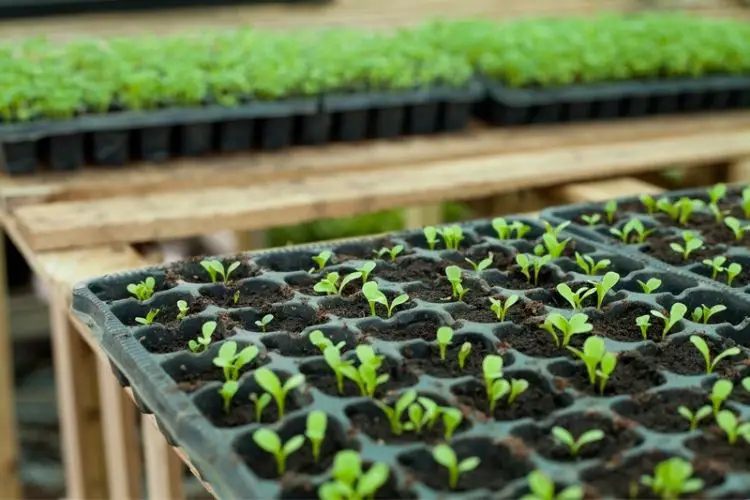
When it comes to gardening, caring for seedlings is a crucial step in ensuring a successful harvest. These delicate baby plants require special attention and care to thrive and reach their full potential. Knowing how to care for seedlings can make all the difference in their growth and development. From choosing the right containers to providing the perfect amount of sunlight, watering techniques, fertilizing, and preventing pests and diseases, each step plays a vital role in nurturing healthy seedlings. By following these tips and techniques, you can give your seedlings the best possible start and set them up for success in your garden.
Guide on How to Care for Seedlings
| Aspect | Care Tips |
|---|---|
| Watering | Keep soil moist but not waterlogged |
| Lighting | Provide adequate sunlight or artificial light |
| Temperature | Maintain consistent temperature range |
| Soil Health | Use well-draining soil and consider adding nutrients |
| Transplanting | Gradually acclimate seedlings to outdoor conditions before transplanting |
Choosing the Right Containers for Seedlings
When it comes to caring for seedlings, selecting the proper containers is crucial for their growth and development. Opt for containers that provide adequate drainage to prevent waterlogging, such as plastic trays with individual cells or biodegradable pots. Make sure the containers are clean and have enough space for the seedlings to spread their roots comfortably. Consider factors like material, size, and depth to ensure the best environment for your seedlings to thrive. Remember, the right container can make all the difference in setting your seedlings up for success.
Key takeaways:
1. Select containers with proper drainage to prevent waterlogging.
2. Choose clean containers with enough space for root growth.
3. Consider factors like material, size, and depth when selecting containers.
4. Opt for plastic trays with individual cells or biodegradable pots.
5. The right container can greatly impact the growth and development of seedlings.
6. Ensure the containers provide a comfortable environment for the seedlings to thrive.
Providing the Right Amount of Sunlight for Seedlings
When it comes to caring for your precious seedlings, sunlight is a crucial factor that can make or break their growth. Just like us, plants need sunlight to thrive and reach their full potential. But finding the balance is key; too much sun can scorch delicate seedlings, while too little can result in weak, leggy plants. To ensure your seedlings get the right amount of sunlight, place them in a sunny spot that receives at least 6-8 hours of indirect sunlight per day. If natural light is limited, consider investing in a grow light to provide artificial sunlight for your seedlings. Remember, a little bit of sunshine can go a long way in nurturing healthy, vibrant plants.
Proper Watering Techniques for Seedlings
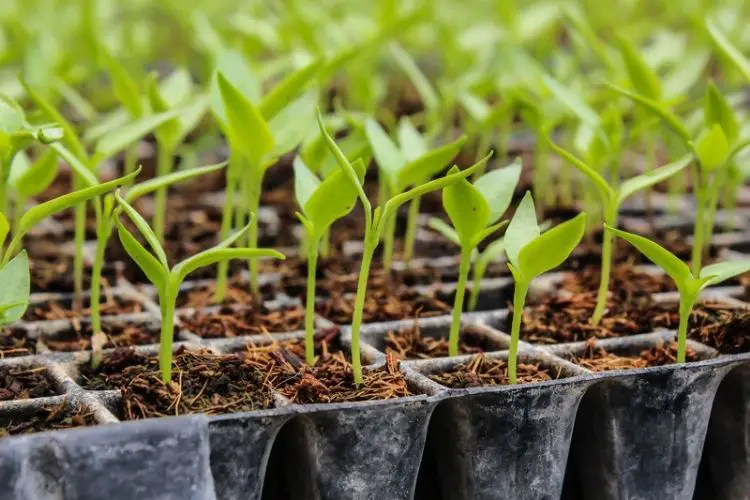
When it comes to how to care for seedlings, proper watering techniques are crucial. Overwatering can lead to root rot, while underwatering can cause stunted growth. It’s like finding the perfect balance in a delicate dance – not too much, not too little. So, how do you know when to water your seedlings? One way is to gently touch the soil with your finger. If it feels dry about an inch below the surface, it’s time to water. Remember, consistency is key. Water your seedlings regularly, but be mindful not to drown them in the process. Your little plants will thank you for it!
Fertilizing Seedlings for Optimal Growth
Fertilizing your seedlings is crucial for ensuring they receive the necessary nutrients to thrive and grow into healthy plants. Just like how we need a balanced diet to stay healthy, seedlings require the right blend of nutrients to develop properly. When it comes to fertilizing, less is more. Over-fertilizing can actually harm your seedlings, so it’s important to follow the recommended guidelines for the specific type of plant you are growing. Consider using a diluted liquid fertilizer to provide a gentle boost to your seedlings without overwhelming them. Remember, a little goes a long way when it comes to feeding your young plants!
Preventing common pests and diseases in seedlings
When it comes to nurturing seedlings, one of the biggest challenges is protecting them from pesky pests and harmful diseases. These tiny plants are vulnerable to attacks from insects, fungi, and bacteria that can quickly wreak havoc on their delicate leaves and stems. To safeguard your seedlings, it’s essential to be proactive in your approach. Keeping a close eye on your plants and taking preventative measures can make all the difference in ensuring their health and vitality. By practicing good hygiene, using organic pest control methods, and providing adequate airflow and sunlight, you can create an environment that wards off potential threats. Remember, a little care and attention go a long way in keeping your seedlings safe and thriving.
Read also about: Tips for Growing Delicious Sweet Peppers
Transplanting seedlings into the garden
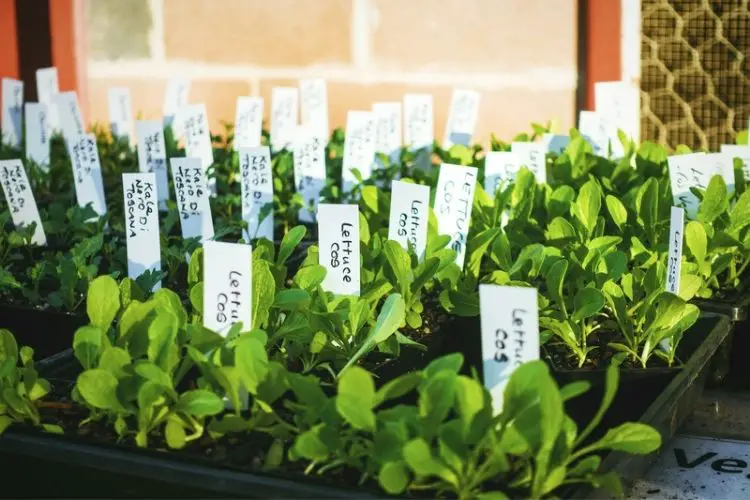
Transplanting your seedlings into the garden can be a rewarding experience, but it’s essential to handle them with care. As you prepare to move them outdoors, make sure the soil is warm and moist to ease the transition. Gently remove each seedling from its container, being cautious not to disturb the roots too much. Dig a hole in the garden soil that is slightly larger than the root ball of the seedling, and place it in the hole at the same depth as it was in the container. Water the newly transplanted seedlings thoroughly to help them settle into their new environment. Remember, patience is key as they adjust to their outdoor home.
Frequently Asked Questions
How can I ensure my seedlings get enough sunlight?
The key to ensuring your seedlings get enough sunlight is to place them in a spot that receives at least 6-8 hours of direct sunlight per day. You can also rotate the trays regularly to ensure even sunlight exposure on all sides.
What is the best way to water seedlings without drowning them?
To water seedlings without drowning them, use a spray bottle or a watering can with a gentle shower setting. Water the soil around the seedlings, not directly on top of them, to prevent overwatering. Allow the soil to dry out slightly between waterings.
How do I prevent seedlings from becoming leggy?
To prevent seedlings from becoming leggy, make sure they are getting enough light. Leggy seedlings are a result of reaching for light sources, so providing adequate sunlight or supplemental grow lights can help keep them compact and strong.
What is hardening off and why is it important for seedlings?
Hardening off is the process of gradually acclimating seedlings to outdoor conditions before transplanting them into the garden. This helps prevent shock and allows seedlings to adjust to temperature fluctuations, wind, and sunlight gradually.
When is the best time to transplant seedlings into the garden?
The best time to transplant seedlings into the garden is after the last frost date for your region. Make sure the soil has warmed up sufficiently, and the seedlings have been hardened off to reduce transplant shock.
How can I protect my seedlings from pests and diseases?
To protect your seedlings from pests and diseases, keep your garden clean and free of debris that can harbor harmful organisms. Use organic pest control methods such as neem oil or insecticidal soap, and practice crop rotation to prevent disease buildup.
What are some common mistakes to avoid when caring for seedlings?
Some common mistakes to avoid when caring for seedlings include overwatering, underwatering, not providing enough light, transplanting too early, and using poor-quality soil. Make sure to research the specific needs of your seedlings and provide them with proper care to ensure healthy growth.
Conclusion
In conclusion, caring for seedlings requires attention to detail and a bit of trial and error. By following these tips and being mindful of your seedlings’ needs, you can successfully nurture them into healthy plants ready for the garden. Remember, patience is key when it comes to gardening!