
Introduction to Indoor Plants
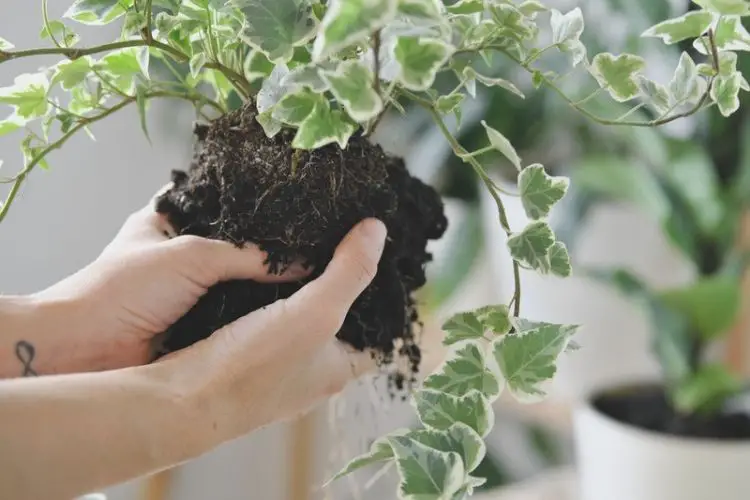
Are you looking to bring some greenery into your home but not sure where to start? Indoor plants can not only brighten up your space but also provide numerous health benefits. From purifying the air to reducing stress levels, caring for indoor plants can be a rewarding experience. In this guide, we will explore how to care for indoor plants, from choosing the right plants for your space to troubleshooting common issues that may arise. Whether you’re a seasoned plant parent or a beginner, there’s always something new to learn about nurturing your indoor jungle.
How to Care for Indoor Plants
| Plant Type | Light Requirements | Watering Frequency | Temperature | Humidity Level | Fertilizing Needs |
|---|---|---|---|---|---|
| Succulents | Bright, indirect light | Once every 2 weeks | 60-80°F | Low humidity | Monthly during growing season |
| Spider Plants | Indirect light | Weekly | 60-75°F | Moderate humidity | Bi-weekly during growing season |
| Peace Lily | Medium to low light | Weekly | 65-80°F | High humidity | Monthly during growing season |
Choosing the Right Indoor Plants for Your Space
When it comes to selecting indoor plants for your space, it’s essential to consider factors such as lighting conditions, available space, and your own personal preferences. Think about the amount of natural light that enters the room and choose plants that thrive in those conditions. Additionally, consider the size of the plant and how it will fit into your space aesthetically. Remember to take into account your level of experience with plant care – some plants require more maintenance than others. By carefully selecting the right indoor plants for your space, you can create a vibrant and healthy environment that brings joy and beauty into your home.
Key Takeaways:
1. Consider lighting conditions and choose plants that thrive in those conditions.
2. Take into account the size of the plant and how it will fit into your space.
3. Consider your level of experience with plant care when choosing indoor plants.
4. Select plants that complement your personal preferences and aesthetic.
5. By choosing the right indoor plants, you can create a vibrant and healthy environment in your home.
6. Research specific plant care requirements to ensure you are able to provide the necessary care.
Understanding the Needs of Indoor Plants
When it comes to caring for indoor plants, understanding their specific needs is essential for their wellbeing. Just like us, plants have preferences and requirements that must be met to thrive. Factors such as humidity levels, temperature, and soil type can greatly impact the health of your indoor greenery. By taking the time to research and learn about the individual needs of each plant species you own, you can ensure they receive the proper care and attention they deserve. Remember, a happy plant is a healthy plant!
Providing Adequate Light for Indoor Plants
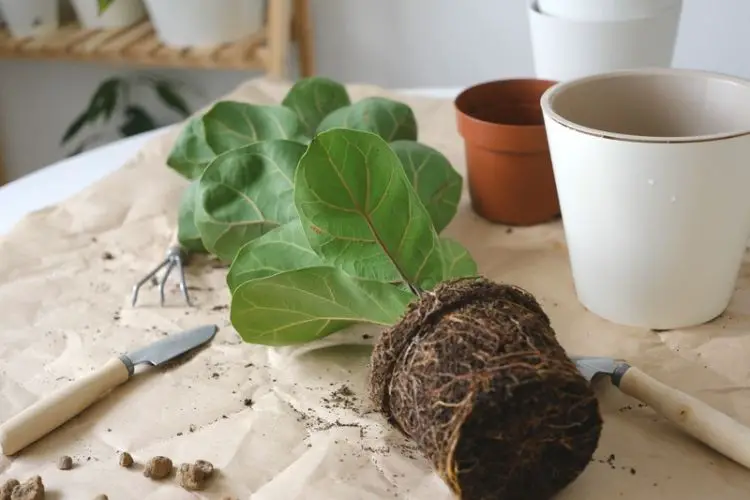
When it comes to caring for indoor plants, ensuring they receive enough light is crucial for their growth and overall health. Different plants have varying light requirements, so it’s essential to place them in the right spot within your home. For example, succulents thrive in bright, indirect light, while ferns prefer lower light conditions. Observing how the sunlight moves throughout your space can help you determine the best locations for your plants. Remember, light is like food for plants, so give them the nourishment they need to flourish. How to care for indoor plants includes finding the perfect balance of light for each plant’s specific needs.
Proper Watering Techniques for Indoor Plants
Watering your indoor plants may seem like a simple task, but it’s crucial to get it right to ensure their health and longevity. Overwatering can lead to root rot, while underwatering can cause wilting and nutrient deficiencies. To strike the right balance, check the soil moisture regularly by inserting your finger into the soil up to the first knuckle. If it feels dry, it’s time to water. Be sure to use room temperature water and water thoroughly until it runs out of the drainage holes. Remember, consistency is key, so establish a watering schedule based on your plant’s specific needs.
Fertilizing and Pruning Indoor Plants
Taking care of indoor plants goes beyond just watering and providing light. Fertilizing and pruning are essential steps to ensure your leafy friends thrive. When it comes to fertilizing, less is more. Too much fertilizer can harm your plants, so it’s crucial to follow the instructions on the packaging. As for pruning, it’s like giving your plants a haircut. Regular pruning helps promote growth and keeps your plants looking their best. Remember, each plant has its unique needs, so research on how to care for indoor plants like a pro!
Read also about: How to Grow Basil: A Comprehensive Guide
Common Issues with Indoor Plants and How to Troubleshoot Them
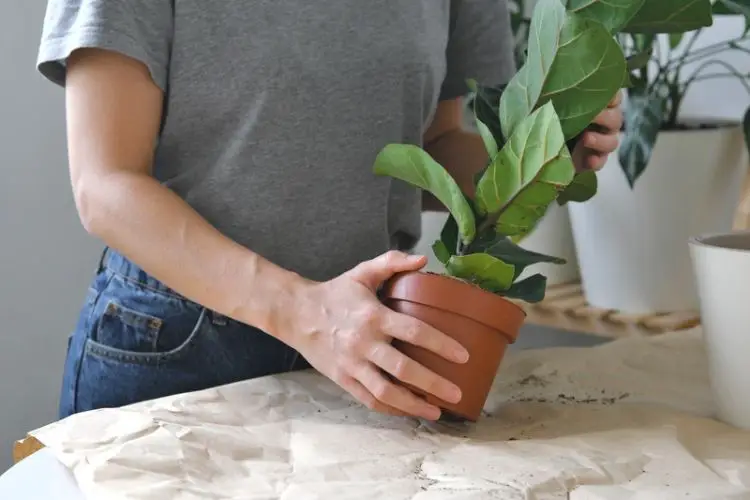
Caring for indoor plants can be a rewarding experience, but it’s not without its challenges. One common issue many plant owners face is overwatering. Signs of overwatering include yellowing leaves, wilting, and root rot. To prevent this, make sure to allow the soil to dry out between waterings and always check the moisture level before watering again. Another issue is inadequate light, which can result in leggy growth or stunted development. Consider moving your plants to a sunnier spot or investing in a grow light to provide them with the necessary light levels. By being attentive to these common problems and taking proactive measures, you can ensure your indoor plants thrive and bring beauty to your space.
Frequently Asked Questions About Caring for Indoor Plants
How often should I water my indoor plants?
Watering frequency depends on the plant type and environment. Monitor the soil moisture and water when the top inch feels dry. Overwatering can be as harmful as underwatering, so find a balance.
What is the best lighting for indoor plants?
Most indoor plants thrive in bright, indirect light. Place them near a window or use grow lights if natural light is limited. Avoid direct sunlight, as it can scorch the leaves.
How do I prevent pests on my indoor plants?
Inspect your plants regularly for signs of pests like spider mites or aphids. If you spot any, isolate the affected plant and treat it with neem oil or insecticidal soap. Keep a clean environment to deter pests.
Should I fertilize my indoor plants? If so, how often?
Yes, indoor plants benefit from regular fertilization during the growing season. Use a balanced liquid fertilizer diluted to half strength every 2-4 weeks. Avoid overfertilizing, as it can harm the plant.
How do I repot my indoor plants?
When your plant outgrows its current pot or the soil becomes compacted, it’s time to repot. Choose a slightly larger container with drainage holes, gently remove the plant from its current pot, and place it in the new one with fresh soil.
What are some common signs that my indoor plant is unhealthy?
Yellowing or browning leaves, wilting, stunted growth, or pests are common indicators of plant stress. Address the issue promptly by adjusting watering, lighting, or humidity levels as needed.
How can I increase humidity for my indoor plants?
Indoor plants that require high humidity can benefit from regular misting, a pebble tray filled with water, or a humidifier in the room. Grouping plants together can also create a microclimate with higher humidity.
Conclusion
Remember, caring for indoor plants is a rewarding journey that requires patience and attention to detail. By understanding your plants’ specific needs and providing a nurturing environment, you can create a green oasis in your home. Happy planting!