
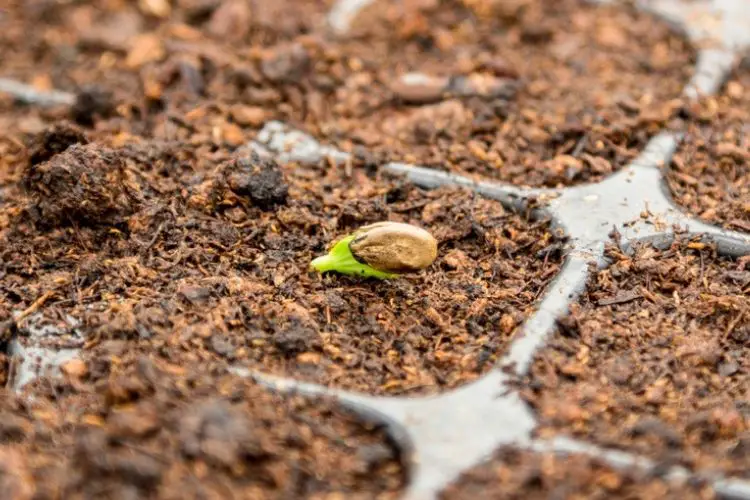
Are you eager to see your seeds sprout faster than ever before? Mastering germination techniques for faster growth is the key to kickstarting your gardening journey. By understanding the science behind seed germination and implementing the right strategies, you can witness your plants thrive in no time. It’s like giving your seeds a head start in the race towards becoming lush, flourishing plants. In this article, we will delve into the importance of seed germination, selecting the right seeds, optimal growing conditions, step-by-step techniques, common pitfalls to avoid, and how to monitor and care for your germinating seeds. Get ready to unlock the secrets to successful germination!
Germination Techniques for Faster Growth
| Technique | Benefits | Duration | Materials Needed | Success Rate |
|---|---|---|---|---|
| Scarification | Breaks seed coat for quicker absorption | 12-24 hours | Sandpaper, water | High |
| Stratification | Mimics winter conditions for better growth | 2-4 weeks | Refrigerator, container | Medium |
| Hydropriming | Increases water uptake for quicker germination | 6-12 hours | Water, container | High |
Importance of Seed Germination
Seed germination is a crucial stage in the growth process of plants, as it marks the beginning of their journey towards maturity and productivity. By ensuring proper germination techniques for faster growth, you are setting the foundation for healthy and robust plants that will bear fruits, flowers, or vegetables. The germination stage is when the seed activates its growth process, absorbing water and essential nutrients from the soil to sprout into a seedling. This stage is critical for establishing a strong root system and ensuring the overall health and vitality of the plant as it continues to grow.
Key Takeaways:
1. Seed germination is a vital step in the growth process of plants.
2. Proper germination techniques lead to healthier and more productive plants.
3. The germination stage is when seeds activate their growth process.
4. Water and essential nutrients are absorbed during germination to support seedling growth.
5. A strong root system is established during germination for plant health.
6. The overall vitality of the plant is dependent on successful germination.
Selecting the Right Seeds for Faster Growth
When it comes to germination techniques for faster growth, selecting the right seeds is crucial. Opt for high-quality seeds from reputable sources to ensure a successful germination process. Consider factors such as seed viability, maturity, and disease resistance. Additionally, choose seeds that are well-suited to your specific growing conditions and climate. By taking the time to carefully select your seeds, you can set yourself up for success and maximize the potential for faster growth and healthy plant development. Remember, the foundation of a successful germination process begins with choosing the right seeds.
Optimal Growing Conditions for Germination
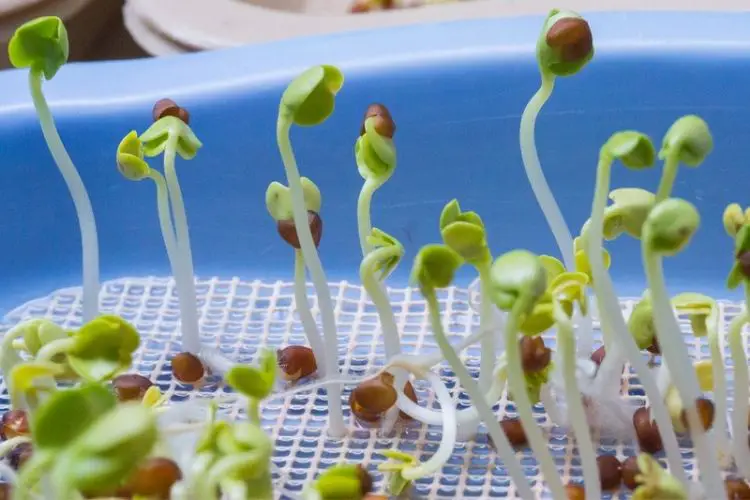
When it comes to germination techniques for faster growth, creating the right environment for your seeds is crucial. Think of it like setting the stage for a successful performance. Seeds need warmth, moisture, oxygen, and the right soil conditions to sprout effectively. Ensuring that your seeds are placed in a well-draining soil mix, kept consistently moist but not waterlogged, and provided with adequate sunlight will give them the best chance to germinate quickly and thrive. Remember, just like us, seeds need the right conditions to grow and reach their full potential. So, nurture them with care and watch them flourish!
Step-by-Step Germination Techniques
When it comes to germinating seeds for faster growth, the process can seem daunting at first. However, breaking it down into simple steps can make it much more manageable. Start by selecting high-quality seeds from a reputable source, ensuring they are fresh and viable. Next, prepare a suitable growing medium, such as a mixture of peat moss and perlite, to provide the seeds with the nutrients and moisture they need to sprout. Plant the seeds at the correct depth, water them gently, and place them in a warm, sunny location to encourage germination. Patience is key during this stage, as different seeds have varying germination times. By following these steps diligently, you can set your seeds up for success and promote faster growth.
Common Pitfalls to Avoid During Germination
When it comes to germination techniques for faster growth, there are a few common pitfalls that many beginners fall into. One of the most crucial mistakes is overwatering your seeds. While it may seem like you’re helping them along, too much water can actually drown the seeds and prevent them from sprouting. Another mistake to avoid is planting your seeds too deep in the soil. Seeds need access to oxygen to germinate properly, so make sure to follow the instructions on the seed packet for the correct planting depth. By steering clear of these pitfalls, you can ensure a successful germination process and set your plants up for healthy growth.
Read also about: How to Start a Garden at Home
Monitoring and Caring for Germinating Seeds
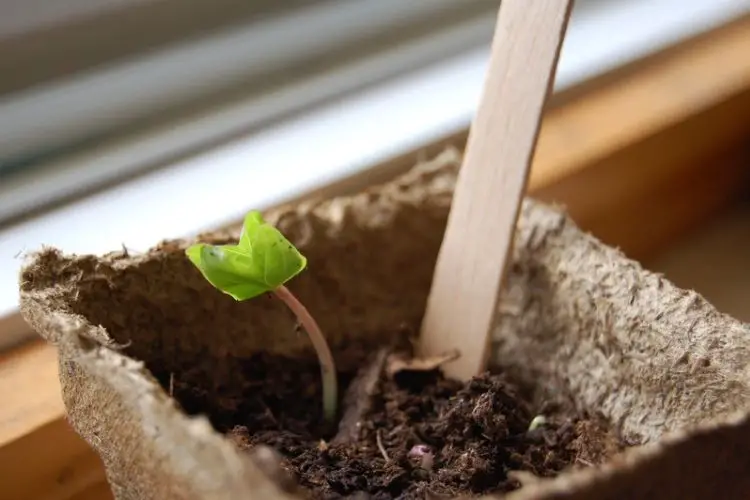
When it comes to germinating seeds for faster growth, proper monitoring and care are essential. Think of it as nurturing a delicate new life, requiring attention and patience. Keep a close eye on the moisture levels, ensuring the soil remains damp but not waterlogged. Place the seeds in a warm, well-lit area, providing them with the optimal conditions for sprouting. Remember, each seed is unique, so observe their progress closely and adjust care accordingly. By being attentive and proactive, you can ensure the successful germination of your seeds and set them up for healthy growth.
FAQ
Q: What are some germination techniques for faster growth?
A: When it comes to speeding up the germination process for your plants, there are several techniques you can try. One method is scarification, which involves nicking or scratching the seed coat to help water penetrate more easily. Another technique is stratification, where you simulate winter conditions to break seed dormancy. You can also use bottom heat or a germination heat mat to provide consistent warmth, or try soaking seeds in water before planting to jumpstart the process.
Q: How often should I water seeds to encourage faster germination?
A: Watering seeds is a delicate balance – you want to keep the soil consistently moist but not waterlogged. It’s best to water in small amounts regularly, aiming to keep the soil surface damp but not saturated. Remember, different seeds have different water requirements, so it’s essential to research the specific needs of the plants you’re growing.
Q: Should I use a seed starting mix or regular potting soil for germination?
A: Seed starting mix is specifically formulated to provide the ideal environment for seed germination, with a lighter texture that helps seeds access oxygen and moisture more efficiently. While regular potting soil can work, using a seed starting mix can give your seeds a better chance at quicker and more successful germination.
Q: How can I create the ideal environment for seed germination?
A: To create the ideal environment for seed germination, make sure to provide adequate warmth, moisture, and oxygen. Keep seeds in a consistently warm location, ensure the soil is moist but not waterlogged, and allow for good air circulation to prevent fungal diseases. Also, consider using a humidity dome or covering to maintain moisture levels while seeds germinate.
Q: Are there any natural methods I can use to promote faster germination?
A: Yes, there are several natural methods you can try to promote faster germination. For example, you can use seaweed extract or compost tea as a natural seed treatment to provide essential nutrients and stimulate growth. Additionally, using beneficial fungi like mycorrhizae can help improve seed germination rates and overall plant health.
Q: How long does it typically take for seeds to germinate using these techniques?
A: The germination time can vary depending on the plant species and the specific techniques you’re using, but in general, seeds can germinate anywhere from a few days to a few weeks. By following proper germination techniques and providing the optimal conditions, you can help speed up the process and increase the likelihood of successful germination.
Q: What common mistakes should I avoid when trying to speed up seed germination?
A: One common mistake to avoid is overwatering, as this can lead to seed rot and fungal issues. Another mistake is using soil that is too compacted or dense, which can hinder seed access to oxygen and water. Additionally, planting seeds too deep or not providing enough light can also slow down the germination process. It’s essential to strike the right balance and be patient while seeds germinate.
Conclusion
In conclusion, by implementing the right germination techniques, providing the optimal environment, and avoiding common mistakes, you can help promote faster seed germination and set your plants up for success. Remember to be patient, experiment with different methods, and enjoy the process of watching your seeds sprout and grow into healthy plants.