
Learn the art of growing your own apple trees with this comprehensive guide! From planting and pruning to pest control, this informative article is tailored for aspiring apple growers who want to master the skills needed to cultivate healthy and fruitful apple trees. Whether you’re a beginner or looking to enhance your knowledge, this step-by-step resource will equip you with the expertise to nurture your own apple orchard.
Understanding the Basics of Apple Tree Growth
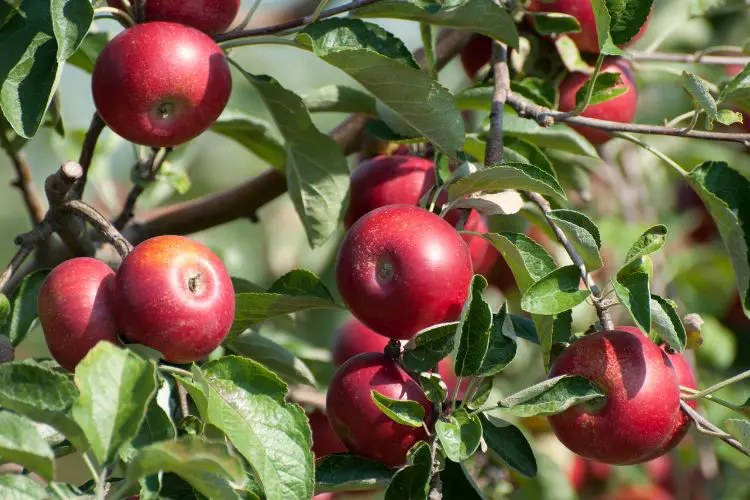
Growing apple trees can be a rewarding and fruitful experience. However, it requires careful attention to detail and proper techniques to ensure healthy tree growth and bountiful harvests. Whether you’re a beginner or an experienced gardener, mastering the art of growing apple trees is essential for cultivating a thriving orchard. In this comprehensive guide, we will walk you through the essential steps of planting, pruning, and pest control to help you grow your own apple trees successfully.
Choosing the Right Apple Tree Variety
The first step in growing apple trees is selecting the right apple variety for your specific climate and growing conditions. There are numerous apple varieties available, each with its own unique flavor, texture, and growing requirements. Before purchasing an apple tree, research the different apple varieties that are well-suited to your region. Consider factors such as chill hours, disease resistance, and pollination compatibility to ensure the best possible outcome for your apple tree.
Selecting the Ideal Planting Location
Once you’ve chosen the appropriate apple variety, it’s crucial to select an ideal planting location. Apple trees thrive in full sun and well-drained soil. Look for a location in your garden or orchard that receives at least 6-8 hours of sunlight per day. Additionally, ensure that the area is free from competing tree roots and has good air circulation to prevent diseases.
Preparing the Soil for Planting
Before planting your apple tree, it’s essential to prepare the soil to provide the best growing environment for the tree. Test the soil to determine its pH level and nutrient content. Most apple trees prefer slightly acidic soil with a pH range of 6.0-7.0. Amend the soil as needed with organic matter, such as compost or well-rotted manure, to improve its structure and fertility.
Planting Your Apple Tree
Best Time for Planting
The best time to plant apple trees is in the early spring, as soon as the ground is workable. Planting in the spring allows the tree to establish its roots before the onset of hot summer weather. Alternatively, you can also plant bare root apple trees in the late winter while they are still dormant.
Digging the Planting Hole
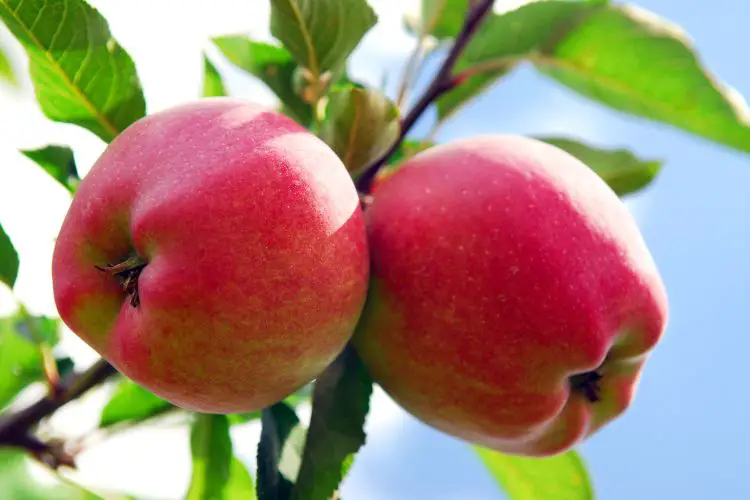
When planting your apple tree, dig a hole that is wide enough to accommodate the tree’s roots without bending or crowding them. The depth of the hole should be sufficient to allow the tree to be planted at the same depth as it was in the nursery. Gently loosen the roots and position the tree in the center of the hole.
Proper Tree Placement and Support
Position the tree so that the graft union (a bulge or scar near the base of the tree) is several inches above the soil line. Backfill the hole with soil, gently firming it around the roots as you go. Provide support for the young tree with a stake to prevent it from being toppled by strong winds.
Caring for Your Apple Tree
Pruning Techniques for Apple Trees
Pruning is essential for shaping the tree, promoting healthy growth, and encouraging fruit production. Prune your apple tree during the dormant season to remove dead, diseased, or crossing branches. Additionally, thin out the canopy to improve air circulation and sunlight penetration, which helps prevent diseases and ensures even fruit ripening.
Watering Schedule and Tips for Healthy Growth
Proper watering is crucial for the establishment and growth of apple trees. Water newly planted trees regularly, especially during dry periods, to keep the soil consistently moist but not waterlogged. Once established, apple trees generally require around 1-2 inches of water per week, either from rainfall or irrigation.
Fertilizing Your Apple Tree
Fertilize your apple tree annually in the early spring before new growth begins. Use a balanced fertilizer or one specifically formulated for fruit trees, following the manufacturer’s recommendations. Avoid over-fertilizing, as this can lead to excessive vegetative growth at the expense of fruit production.
Protecting Your Apple Tree from Pests and Diseases
Common Apple Tree Pests and Diseases
Apple trees are susceptible to various pests and diseases, including apple scab, powdery mildew, aphids, codling moths, and apple maggots. Regularly inspect your apple tree for signs of infestation or disease, such as discolored leaves, distorted fruit, or pest activity.
Organic Pest Control Methods
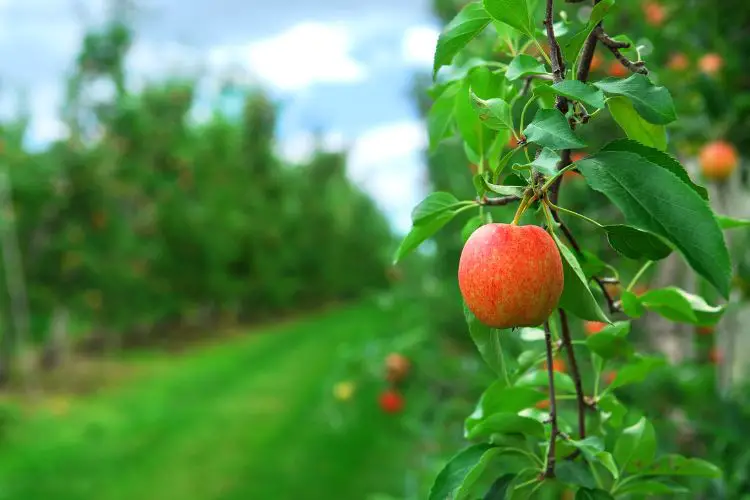
Implementing organic pest control methods, such as introducing beneficial insects, using insecticidal soaps, and applying horticultural oils, can help manage pest populations without harming beneficial organisms or the environment.
Using Pesticides Responsibly
If pest or disease pressure becomes severe, consider using pesticides as a last resort. Always follow the instructions on the pesticide label, and use them sparingly and responsibly to minimize environmental impact and protect beneficial insects.
Harvesting and Enjoying Your Apples
Signs of Apple Tree Readiness for Harvest
As the apple tree matures, it will produce fruit that changes color and develops a sweet aroma. Monitor the color, size, and firmness of the apples to determine when they are ready for harvest. Different apple varieties have varying harvest times, so refer to the specific recommendations for your chosen variety.
Harvesting Techniques for Different Apple Varieties
When harvesting apples, gently twist or lift the fruit upwards to detach it from the tree. Handle the apples carefully to avoid bruising or damaging the fruit. Store harvested apples in a cool, airtight container in the fridge to prolong their freshness.
Storing and Using Your Homegrown Apples
Homegrown apples can be enjoyed fresh, juiced, or used in a variety of culinary applications. Whether you prefer apple cider, apple pie, or simply snacking on a crisp apple, the fruits of your labor will be a delicious reward for your efforts.
In conclusion, growing apple trees requires careful consideration of the tree variety, planting location, soil preparation, and ongoing care. By following the steps outlined in this comprehensive guide, you can cultivate healthy and productive apple trees in your own garden or orchard. With proper attention to pruning, watering, fertilizing, and pest control, you can look forward to a bountiful harvest of delicious, homegrown apples.