
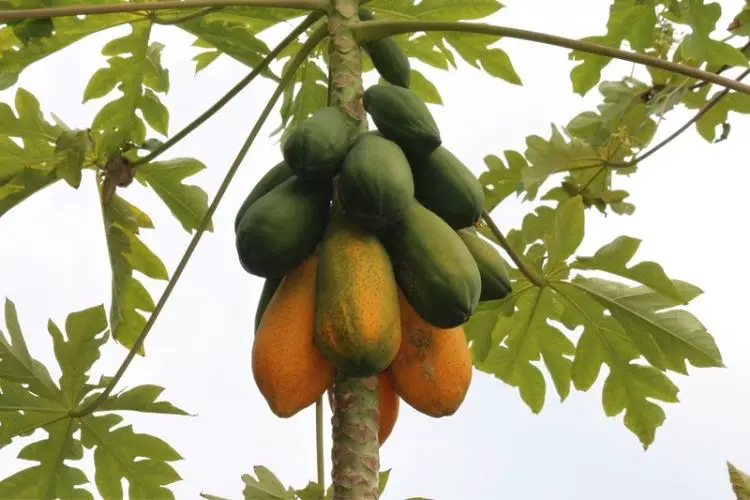
Embarking on the journey of fruit tree care for beginners can be both exciting and daunting. As you step into the world of nurturing fruit trees, you are entering a realm where patience, dedication, and love for nature are the keys to success. Each fruit tree carries with it a unique set of needs and characteristics, making the process both challenging and rewarding. Whether you are a seasoned gardener looking to expand your skills or a novice eager to delve into the art of fruit tree care, this guide will provide you with the essential knowledge and practical tips to help your fruit trees thrive.
Selecting the Right Fruit Tree for Your Space
When it comes to choosing the perfect fruit tree for your space as a beginner, there are a few key factors to consider. Firstly, think about the climate in your area and choose a tree that thrives in those conditions. Additionally, consider the size of your space and select a tree that fits well without overcrowding. It’s also important to think about the amount of sunlight your tree will receive and choose a variety that matches those needs. Lastly, consider your personal preferences when it comes to the type of fruit you enjoy most. By taking these factors into account, you can ensure that your fruit tree will have the best chance of flourishing in your garden.
Key takeaways:
1. Consider the climate and choose a tree that suits your area.
2. Select a tree that fits well in your space without overcrowding.
3. Ensure your tree receives adequate sunlight for optimal growth.
4. Choose a fruit tree that aligns with your taste preferences.
5. Research different varieties to find the best fit for your needs.
6. Consult with local nurseries or gardening experts for advice on the best fruit trees for beginners.
Fruit Tree Care for Beginners
| Topic | Watering | Pruning | Fertilizing | Pest Control | Disease Prevention |
|---|---|---|---|---|---|
| Apple Trees | 1-2 inches of water per week | Prune in late winter or early spring | Apply slow-release fertilizer in spring | Monitor for apple maggots | Spray fungicide to prevent apple scab |
| Orange Trees | Water deeply every 2-4 weeks | Prune after fruit harvest | Use citrus-specific fertilizer | Watch for citrus leafminer | Avoid overwatering to prevent root rot |
| Peach Trees | Require regular watering, especially in summer | Prune in late winter to early spring | Apply balanced fertilizer in spring | Control peach tree borers | Spray fungicide for peach leaf curl |
Planting Your Fruit Tree Correctly
Planting a fruit tree may seem like a simple task, but there are key steps to ensure its success. First, choose a location with well-draining soil and full sun exposure. Dig a hole twice as wide and deep as the tree’s root ball, gently placing the roots in the hole. Backfill with a mixture of native soil and compost, making sure the tree is planted at the same depth as it was in the nursery. Water thoroughly after planting to help settle the soil around the roots. Remember, proper planting sets the foundation for your fruit tree’s growth and productivity for years to come.
Watering and Feeding Your Fruit Tree
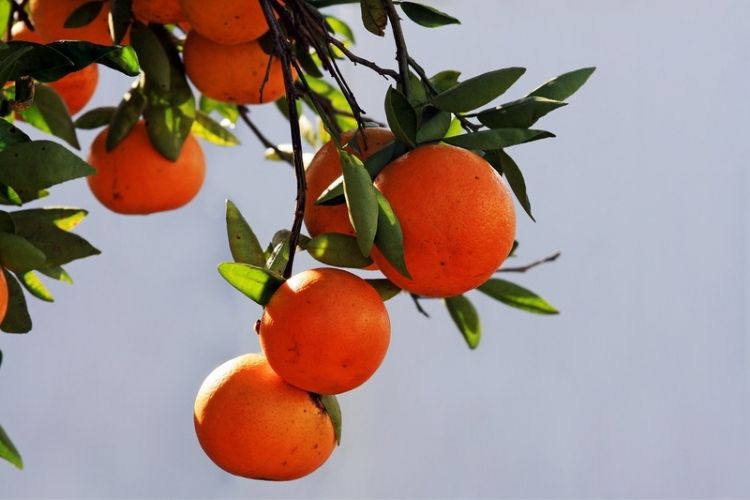
When it comes to fruit tree care for beginners, one of the most crucial aspects is ensuring your tree gets the right amount of water and nutrients. Think of it like giving your body the proper fuel to thrive. Just like we need water and food to stay healthy, fruit trees require consistent watering and feeding to produce delicious fruit. It’s important to water deeply but infrequently to encourage deep root growth and prevent stress on the tree. As for feeding, consider using a balanced fertilizer to provide essential nutrients for strong growth and bountiful harvests. Remember, a well-fed tree is a happy tree!
Pruning and Training Your Fruit Tree for Optimal Growth
Pruning and training your fruit tree may sound intimidating, but with the right techniques, it can actually be quite rewarding. Think of it as giving your tree a haircut—it helps shape its growth and encourages fruit production. Start by removing dead or diseased branches, then focus on creating an open center to allow sunlight and air circulation. Remember, less is more when it comes to pruning; aim for quality over quantity. By shaping your fruit tree properly, you’ll not only improve its overall health but also ensure a bountiful harvest for years to come.
Protecting Your Fruit Tree from Pests and Diseases
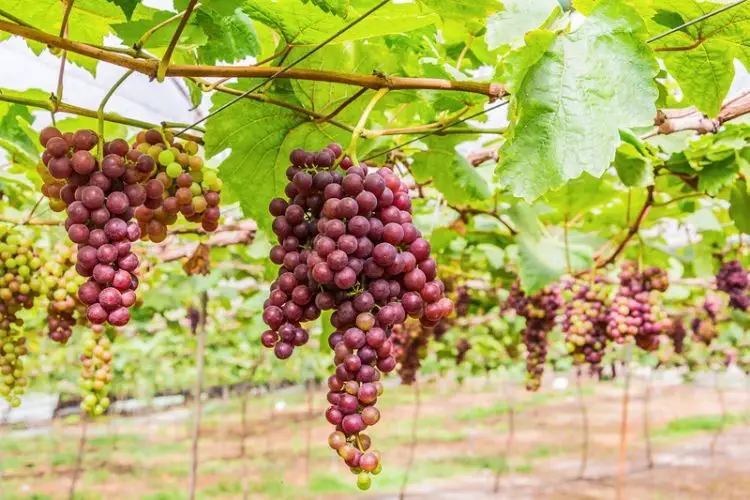
When it comes to fruit tree care for beginners, protecting your precious plants from pests and diseases is crucial. Picture this: you’ve lovingly nurtured your fruit tree, watched it grow and blossom, only to have it attacked by pesky insects or ravaged by a relentless disease. It’s like seeing your hard work go to waste, and nobody wants that. By staying vigilant and taking preventive measures, you can shield your fruit tree from harm. Regularly inspect your tree for signs of trouble, such as chewed leaves or unusual discoloration. Consider using natural remedies or organic pesticides to keep those pesky pests at bay. Remember, a healthy tree is a happy tree!
Read also about: How to Successfully Grow Green Beans in Your Garden
Harvesting and Enjoying the Fruits of Your Labor
Now comes the most rewarding part of caring for your fruit tree—harvesting and indulging in the delicious fruits it produces. Picture this: the sun shining down as you pluck ripe apples or juicy peaches straight from the branches. The satisfaction of knowing that your hard work has paid off is truly unparalleled. Whether you enjoy your harvest fresh off the tree or use them in mouth-watering recipes, the joy of growing your fruit and relishing its flavors is an experience like no other. So savor every moment and every bite, knowing that you’ve nurtured something beautiful from start to finish.
Fruit Tree Care for Beginners FAQ
How often should I water my fruit tree?
Watering frequency for fruit trees depends on various factors like soil type, weather conditions, and tree age. Generally, it’s best to water deeply but infrequently, ensuring the roots receive ample moisture without becoming waterlogged.
When is the best time to prune my fruit tree?
Pruning should ideally be done during the dormant season in late winter or early spring before new growth begins. This helps promote healthy growth, improve fruit production, and maintain the tree’s shape.
How can I protect my fruit tree from pests and diseases?
Implementing preventive measures like regular inspections, using organic pest control methods, and maintaining proper hygiene around the tree can help prevent common pests and diseases. Consider planting companion plants that repel pests naturally.
What type of fertilizer should I use for my fruit tree?
Choose a balanced fertilizer specifically formulated for fruit trees, typically high in nitrogen, phosphorus, and potassium. Organic options like compost or manure can also be beneficial for long-term soil health.
How do I know when my fruit is ripe for harvesting?
Each fruit variety has its own indicators of ripeness, such as color, texture, and scent. Monitor your tree regularly and gently test a few fruits to determine if they are ready to be picked. Taste-testing is always a fun way to confirm ripeness!
Can I grow fruit trees in containers?
Yes, you can grow certain fruit trees in containers, but it’s essential to choose dwarf or compact varieties suitable for confined spaces. Ensure the container has proper drainage, adequate sunlight, and regular fertilization to support healthy growth.
What should I do if my fruit tree is not producing fruit?
If your fruit tree is not producing fruit, assess factors like inadequate pollination, poor soil quality, or improper pruning. Consider hand-pollination techniques, soil amendments, and professional advice to troubleshoot and encourage fruit production.
Conclusion
Remember, caring for fruit trees requires patience, observation, and a willingness to learn from both successes and failures. By following these tips and staying attuned to your tree’s needs, you can cultivate a thriving orchard and enjoy the fruits of your labor. Happy gardening!
Also Read: Discover the Secrets to Growing Healthy and Crunchy Celery!