
Learn the art of growing green beans with our comprehensive guide! Whether you’re a beginner or seasoned gardener, this informative article will walk you through the step-by-step process of planting, watering, and caring for your green bean garden. Discover the joys of homegrown produce and start your green bean garden today!
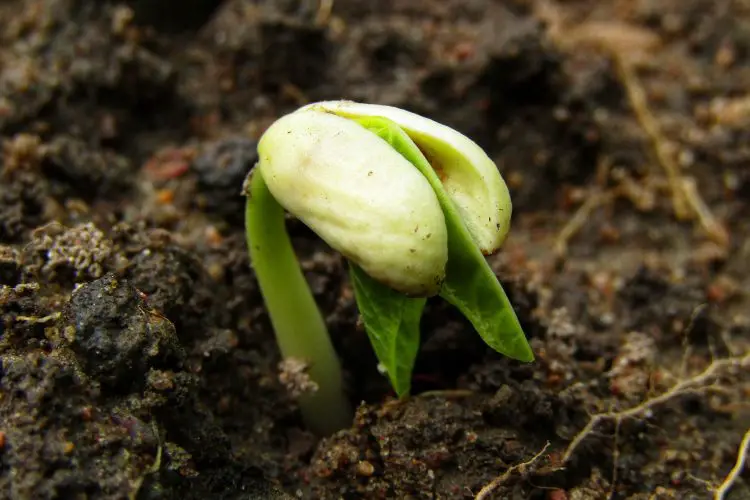
Introduction to Growing Green Beans
Green beans, also known as snap beans or string beans, are a popular and easy-to-grow vegetable that can thrive in home gardens. Whether you have a spacious backyard or just a few containers on a balcony, growing green beans can be a rewarding experience. Not only are they delicious and nutritious, but they also offer several benefits for home gardeners. In this comprehensive guide, we will walk you through the step-by-step process of planting, watering, and caring for your green bean garden.
Benefits of Growing Green Beans at Home
There are numerous benefits to growing green beans at home. Firstly, they are a great source of vitamins A, C, and K, as well as fiber and folate. By growing your own green beans, you can ensure that they are free from harmful pesticides and chemicals, making them a healthier option for you and your family. Additionally, green beans are a versatile vegetable that can be enjoyed fresh, steamed, sautéed, or added to salads and stir-fries.
Overview of the Green Bean Planting Process
The process of growing green beans can be divided into several key stages, including choosing the right green bean variety, planting the seeds, watering and caring for the plants, and harvesting and storing the beans. Each stage requires careful attention and specific techniques to ensure a successful harvest. Now, let’s dive into the details of each stage to help you grow healthy and abundant green bean plants in your garden.
Choosing the Right Green Bean Variety
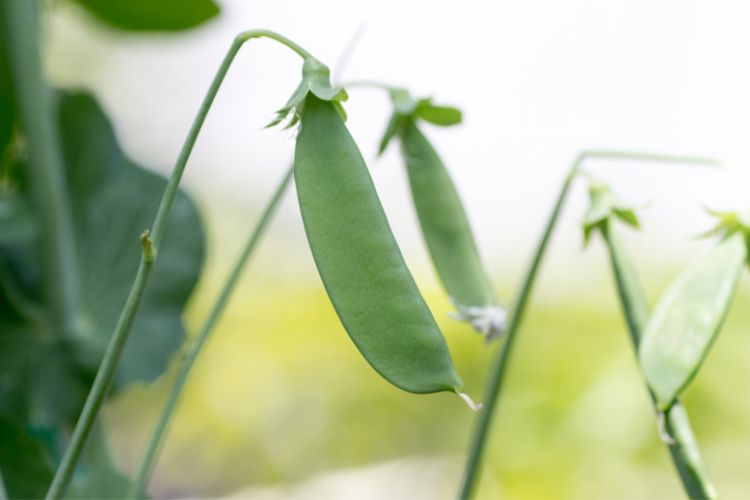
When it comes to choosing the right green bean variety for your garden, there are a few factors to consider. Green beans come in two main types: bush beans and pole beans. Bush beans grow in a compact, bushy shape and are ideal for small gardens or containers. On the other hand, pole beans require a trellis or support to climb and can produce a higher yield in a limited space.
Determining the Best Green Bean Variety for Your Garden
Consider the available space in your garden or containers when choosing between bush beans and pole beans. If you have limited space, bush beans may be the better option. However, if you have a trellis or support system in place, pole beans can be a great choice for maximizing your yield in a small area.
Factors to Consider When Selecting Green Bean Seeds
When selecting green bean seeds, consider factors such as the climate in your region, the time to maturity, and the preferred taste and texture of the beans. Some popular green bean varieties include Blue Lake, Provider, and Kentucky Wonder. Choose a variety that suits your climate and preferences to ensure a successful harvest.
Planting Green Beans
Once you have selected the right green bean variety for your garden, it’s time to prepare the soil and plant the seeds.
Preparing the Soil for Planting Green Beans
Green beans thrive in well-drained, fertile soil with a pH level of 6.0 to 7.0. Before planting, amend the soil with organic matter such as compost or aged manure to improve its texture and nutrient content. Remove any weeds and debris from the planting area to create a clean and healthy environment for the green bean plants.
Sowing Green Bean Seeds in the Garden or Containers
Sow green bean seeds directly into the garden soil or containers once the danger of frost has passed and the soil temperature has reached at least 60°F (15.5°C). Plant the seeds about 1 inch deep and 2-4 inches apart, depending on the variety. If planting in rows, space the rows 18-24 inches apart to allow for proper growth and airflow.
Proper Spacing and Depth for Planting Green Beans
Proper spacing and depth are crucial for the successful growth of green bean plants. Bush beans should be planted in rows with 2-4 inches between each plant, while pole beans require 6-10 inches between plants. Ensure that the seeds are planted at the appropriate depth to promote strong root development and germination.
Watering and Caring for Green Beans
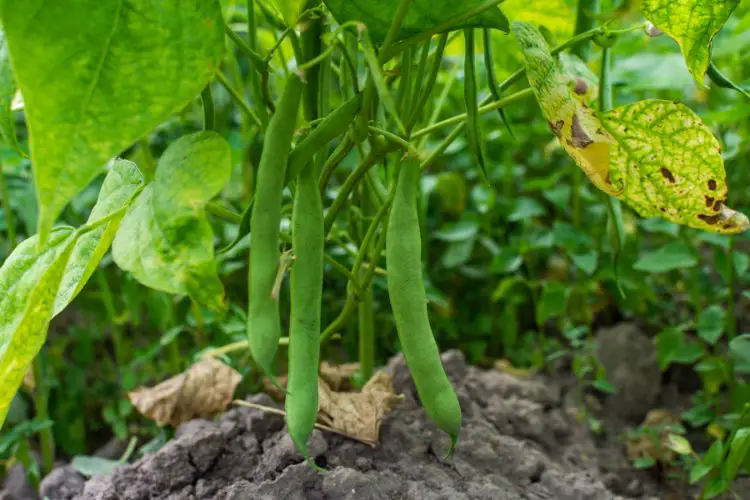
After planting the green bean seeds, it’s important to provide the right amount of water and care to ensure healthy growth and a bountiful harvest.
Watering Requirements for Green Beans
Green beans require consistent moisture to thrive, especially during flowering and pod development. Water the plants deeply once or twice a week, providing about 1-1.5 inches of water per week. Avoid overhead watering to prevent the spread of diseases and aim to water the soil directly at the base of the plants.
Fertilizing Green Bean Plants for Optimal Growth
Fertilize the green bean plants with a balanced fertilizer, such as a 10-10-10 NPK formula, when they begin to flower. Apply the fertilizer according to the manufacturer’s instructions to provide the necessary nutrients for healthy plant growth and high yields.
Managing Pests and Diseases in Green Bean Plants
Keep an eye out for common pests such as aphids, bean beetles, and spider mites, which can damage the green bean plants. Consider using natural pest control methods or organic insecticidal soap to manage pest infestations. Additionally, monitor the plants for signs of diseases such as powdery mildew and bacterial blight, and promptly remove any infected plants to prevent the spread of disease.
Harvesting and Storing Green Beans
As the green bean plants grow and produce pods, it’s important to know when and how to harvest the beans for the best flavor and quality.
Knowing When to Harvest Green Beans
Harvest green beans when the pods are firm, crisp, and about 4-6 inches long, depending on the variety. Avoid harvesting over-mature pods, as they can become tough and stringy. Check the plants regularly and harvest the pods as soon as they reach the desired size to encourage continuous production.
Proper Techniques for Harvesting Green Beans
When harvesting green beans, use a pair of scissors or pruners to cut the pods from the plants, taking care not to damage the stems or nearby pods. Harvest the pods in the morning when they are crisp and full of moisture for the best flavor and texture.
Storing and Preserving Green Beans for Future Use
Store freshly harvested green beans in the refrigerator for up to a week in a perforated plastic bag to maintain freshness. Alternatively, blanch the beans in boiling water for a few minutes, then freeze them for long-term storage. Canned or pickled green beans can also be preserved for future use, allowing you to enjoy the harvest throughout the year.
Conclusion
Growing green beans at home can be a fulfilling and rewarding experience for home gardeners. By following the comprehensive guide to planting, watering, and caring for green bean plants, you can enjoy a bountiful harvest of fresh, nutritious beans. Remember to choose the right green bean variety for your garden, provide proper care and maintenance, and harvest the pods at the peak of freshness. With these tips and techniques, you can enjoy the fruits of your labor with homegrown green beans, whether enjoyed fresh, steamed, or preserved for future use.
Final Tips for Successful Green Bean Gardening
- Monitor the plants for pests and diseases regularly
- Provide adequate support for pole beans to climb and grow
- Harvest the pods regularly to encourage continuous production
- Enjoy the process of growing and harvesting your own green beans