
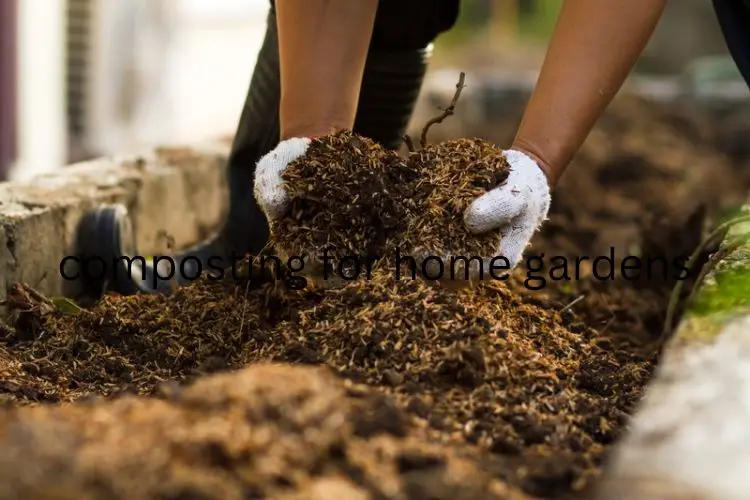
Composting for home gardens is a wonderful way to nourish your plants and reduce waste. It’s like giving your garden a nutritious meal to help it thrive and flourish. By recycling kitchen scraps and yard waste, you are creating a rich, organic soil amendment that will improve the health of your plants and the overall quality of your garden. Not only does composting benefit your garden, but it also helps the environment by reducing landfill waste and promoting sustainability. Embrace the magic of composting and watch your garden come to life!
Composting for Home Gardens Table
| Starting Materials | Composting Process | Time to Completion | Benefits | Potential Issues | Tips |
|---|---|---|---|---|---|
| Kitchen Scraps, Yard Waste | Aerobic Decomposition | 2-6 months | Rich Soil Amendment | Smell, Pests | Mix Greens and Browns |
| Leaves, Grass Clippings | Builds Heat, Breaks Down | 3-12 months | Reduced Landfill Waste | Turning Frequency | Aerate Regularly |
| Manure, Coffee Grounds | Microbial Activity | 1-3 months | Free Fertilizer | Carbon to Nitrogen Ratio | Keep Moist, Turn Often |
The Benefits of Composting for Home Gardens
Composting for home gardens is not just about reducing waste; it offers a plethora of benefits for both your garden and the environment. By composting, you can enrich your soil with essential nutrients, improve soil structure, and promote healthy plant growth. Additionally, composting helps to retain moisture in the soil, reduce the need for chemical fertilizers, and suppress plant diseases. Not to mention, composting at home reduces the amount of organic waste sent to landfills, ultimately reducing greenhouse gas emissions. Overall, composting is a win-win situation for both your garden and the planet.
Key Takeaways:
1. Composting enriches soil with nutrients.
2. Improves soil structure and promotes healthy plant growth.
3. Helps retain moisture in the soil.
4. Reduces the need for chemical fertilizers.
5. Suppresses plant diseases.
6. Reduces organic waste sent to landfills.
7. Decreases greenhouse gas emissions.
Essential Materials for Composting
When it comes to composting for home gardens, having the right materials is crucial for success. You’ll need a good mix of “greens” (such as fruit and vegetable scraps, coffee grounds, and grass clippings) and “browns” (like leaves, straw, and cardboard). This balance ensures your compost pile has the right nutrients to break down effectively. Additionally, having a mix of materials of different sizes helps with aeration and decomposition. Remember, the key is to layer your materials like a delicious lasagna, alternating between greens and browns to create a nutrient-rich environment for your compost to thrive.
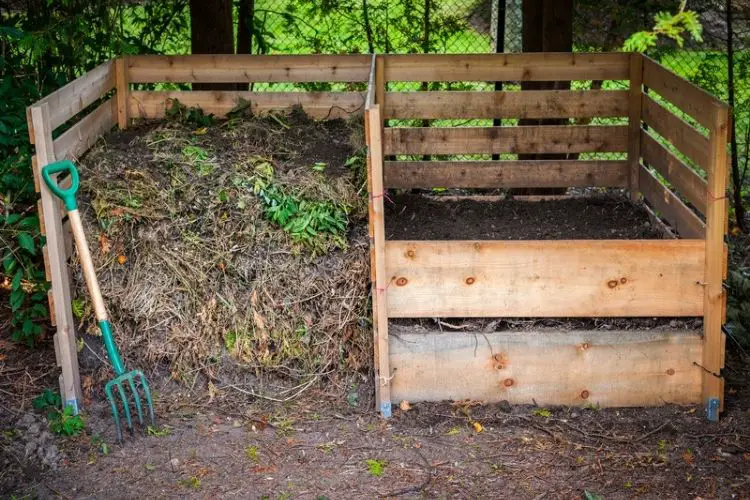
Setting Up a Compost Bin or Pile
When it comes to composting for home gardens, setting up your compost bin or pile is a crucial step in the process. You’ll need to choose a suitable location that receives a good amount of sunlight and is easily accessible. Select a container or create a designated area in your yard where you can place your organic waste materials. Whether you opt for a compost bin, tumbler, or simply a pile on the ground, make sure it is well-aerated and has drainage to prevent odors and promote decomposition. Remember, the key to successful composting is a good balance of green and brown materials, so be sure to layer them appropriately in your compost bin or pile.
Managing and Maintaining Your Compost
Composting for home gardens is a rewarding endeavor, but it requires consistent management to ensure success. To maintain your compost pile, regularly turn the materials to aerate them and promote decomposition. Keep the pile moist but not waterlogged, as the right balance of moisture is crucial for the breakdown process. Additionally, monitor the temperature of the compost to ensure it stays within the optimal range for decomposition. By regularly tending to your compost pile and ensuring it has the right conditions, you’ll be on your way to creating nutrient-rich compost for your garden.
Troubleshooting Common Composting Issues
Composting for home gardens can be a rewarding experience, but it’s not without its challenges. One common issue that many beginners face is a smelly compost pile. This can often be attributed to an imbalance of green and brown materials or inadequate aeration. To combat this, try adding more brown materials like dried leaves or shredded paper and turning the pile regularly to promote oxygen flow. Another issue you might encounter is slow decomposition, which could be due to a lack of moisture or the pile being too compacted. Keep your compost moist like a wrung-out sponge and fluff it up occasionally to encourage decomposition. Remember, patience is key when troubleshooting composting problems!
Read also about: The Ultimate Guide to Growing Scallions
Harvesting and Using Your Compost
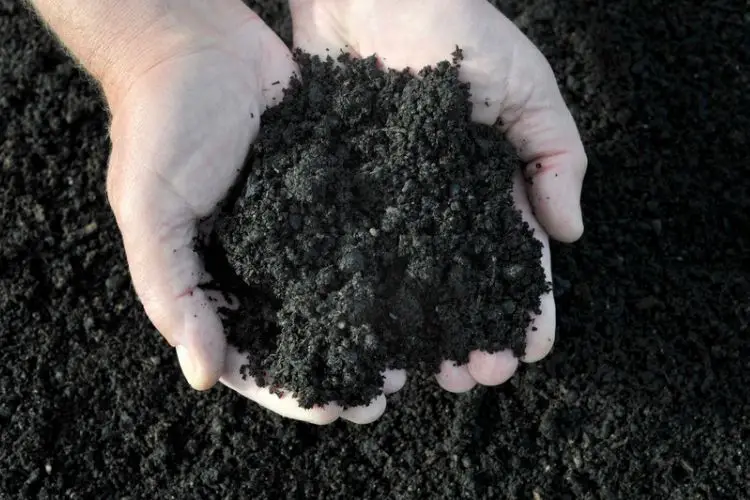
After diligently tending to your compost pile with love and care, the time has finally come to reap the rewards of your hard work. When your compost is dark, crumbly, and earthy-smelling, it’s ready to be used in your garden. Simply sift through the compost to remove any large, undecomposed materials, then spread it around your plants as a nutrient-rich soil amendment. Watch as your garden thrives with the natural goodness of your homemade compost, providing essential nutrients for healthy growth. Remember, composting is not just a chore—it’s a fulfilling journey towards sustainable gardening practices.
FAQ: Composting for Home Gardens
How do I start composting at home?
Composting at home is easier than you think! Simply start by collecting kitchen scraps like fruit and vegetable peels, coffee grounds, and eggshells. Layer these with brown materials like leaves, newspaper, or cardboard. Keep your compost pile moist and turn it regularly to aerate. Before you know it, you’ll have rich compost to nourish your garden.
What can I compost?
You can compost a variety of organic materials, including kitchen scraps, yard waste, and even shredded paper. Just avoid adding meat, dairy, or oily foods, as they can attract pests and slow down the composting process. Remember, a good balance of green and brown materials is key to successful composting.
How long does it take to make compost?
The time it takes to make compost can vary depending on factors like temperature, moisture, and the mix of materials. Generally, you can expect to have finished compost in 2-6 months. Regularly turning your compost pile and keeping it moist can speed up the process.
Can I compost in a small space?
Absolutely! You don’t need a large backyard to compost. Consider using a small compost bin, tumbler, or even a worm bin if space is limited. These compact options are perfect for apartment dwellers or those with tiny gardens.
What are the benefits of composting?
Composting is not only great for the environment but also for your garden. It helps reduce waste going to landfills, enriches the soil with essential nutrients, and promotes healthy plant growth. Plus, it’s a sustainable way to recycle organic materials right in your own backyard.
How do I know when my compost is ready?
Finished compost should have a dark, crumbly texture and an earthy smell. It should no longer resemble the original materials you put in. If you’re unsure, you can do a simple test by placing a handful of compost in a sealed plastic bag. After a few days, check for any remaining heat or moisture, which indicates that the compost is still active.
What if my compost smells bad?
If your compost pile smells bad, it’s likely too wet or lacks sufficient airflow. To fix this issue, add more brown materials like leaves or shredded paper to absorb excess moisture. Turning the pile regularly will also help aerate it and reduce any unpleasant odors.
Conclusion
Composting is a rewarding and eco-friendly practice that anyone can do, regardless of space or gardening experience. By following these simple steps and tips, you can turn your kitchen and yard waste into nutrient-rich compost to feed your plants and reduce your carbon footprint. Happy composting!
Also Read: Tips for Growing Pineapples