
Discover essential tips for growing scallions at home. Learn how to plant, care for, and harvest these versatile alliums to enjoy fresh, flavorful additions to your culinary creations.
Understanding Scallions

Scallions, also known as green onions or spring onions, are versatile and flavorful vegetables that are widely used in various culinary dishes. These young onions are harvested before the bulb fully develops, resulting in long, tender green leaves and a small white bulb. Scallions belong to the Allium family, which also includes garlic, onions, and chives.
What are scallions?
Scallions are the shoots of the onion plant, Allium cepa var. proliferum, that are harvested before the bulb forms. They have a mild onion flavor and are commonly used in salads, stir-fries, soups, and garnishes. The entire scallion, from the white base to the green tops, is edible and can be used in cooking.
Varieties of scallions
There are several varieties of scallions, including Evergreen Hardy White, Tokyo Long White, and White Lisbon. These varieties differ in terms of their size, flavor, and adaptability to different growing conditions.
Nutritional benefits of scallions
Scallions are low in calories and high in essential nutrients such as vitamins A, C, and K. They also contain antioxidants and sulfur compounds that have been associated with various health benefits, including improved digestion and reduced risk of chronic diseases.
Getting Started
Before diving into the process of growing scallions, it’s essential to prepare the right environment for these alliums to thrive.
Choosing the right location for growing scallions
Scallions thrive in full sun but can tolerate partial shade. Choose a location in your garden or balcony that receives at least 6-8 hours of sunlight per day. Ensure that the area has well-draining soil to prevent waterlogging, which can lead to root rot.
Selecting the appropriate containers or garden beds
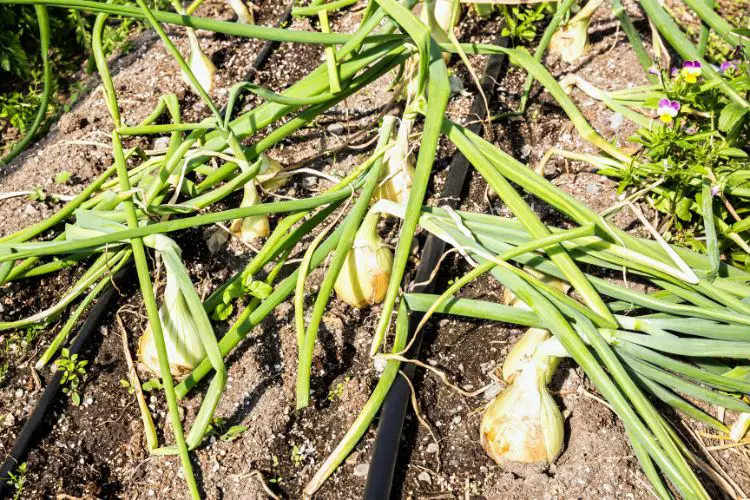
If you have limited space, growing scallions in containers is a great option. Choose containers that are at least 6 inches deep and have drainage holes to allow excess water to escape. Alternatively, scallions can also be grown in garden beds with loose, fertile soil.
Understanding the ideal soil conditions for scallions
Scallions prefer well-draining, fertile soil with a slightly acidic to neutral pH level (6.0-7.0). Incorporating organic matter such as compost or aged manure into the soil can improve its fertility and structure, providing a conducive environment for scallion growth.
Planting Scallions
Once the growing environment is set up, it’s time to plant scallions and kick start their growth.
Preparing scallion seeds or sets for planting
Scallions can be grown from seeds or sets (small bulbs). If using seeds, start them indoors 6-8 weeks before the last frost date. If using sets, select healthy, firm bulbs for planting.
Sowing scallion seeds or sets in the soil
Plant scallion seeds or sets 1/4 inch deep and 1 inch apart in rows that are 12 inches apart. If planting in containers, space the seeds or sets 1 inch apart to allow room for growth.
Watering and caring for newly planted scallions
Keep the soil consistently moist but not waterlogged to support the germination and early growth of scallions. Once the seedlings emerge, thin them to 3-4 inches apart to provide sufficient space for each plant to develop.
Caring for Scallions
As scallions continue to grow, they require ongoing care to ensure healthy development and abundant harvests.
Providing adequate sunlight for scallions
Ensure that scallions receive ample sunlight throughout their growth period. If growing in containers, rotate the pots regularly to promote even exposure to sunlight on all sides of the plants.
Watering and fertilizing scallions
Water scallions regularly, especially during dry periods, to keep the soil consistently moist. Additionally, apply a balanced fertilizer or organic compost every 4-6 weeks to provide essential nutrients for robust growth.
Managing pests and diseases in scallion plants
Keep an eye out for common pests such as thrips and onion maggots, which can affect scallion plants. Employ natural pest control methods or organic insecticides to manage pest infestations. Additionally, practice crop rotation to minimize the risk of soil-borne diseases.
Harvesting and Storing Scallions
As scallions reach maturity, it’s crucial to harvest them at the right time and store them properly to maintain their freshness and flavor.
Knowing when and how to harvest scallions
Harvest scallions when the green tops reach 6-8 inches in length. Use a sharp knife or scissors to cut the leaves just above the soil level. Avoid pulling the entire plant, as scallions can regrow from the bulb for multiple harvests.
Properly storing harvested scallions
After harvesting, rinse the scallions and pat them dry. Store them in the refrigerator, either wrapped in a damp paper towel or placed in a perforated plastic bag, to retain their crispness and flavor for up to two weeks.
Utilizing harvested scallions in culinary dishes
Freshly harvested scallions can be used in a variety of culinary creations, including salads, soups, omelets, and stir-fries. Their mild onion flavor and crisp texture make them a versatile ingredient in both raw and cooked dishes.
Troubleshooting Common Issues in Scallion Cultivation
Despite the best efforts, scallion plants may encounter certain issues that require attention and intervention.
Identifying and addressing yellowing or wilting leaves
Yellowing or wilting leaves in scallion plants may indicate overwatering, nutrient deficiencies, or pest infestations. Adjust the watering schedule, apply fertilizer as needed, and inspect the plants for signs of pests to address these issues promptly.
Dealing with overcrowded scallion plants
If scallion plants become overcrowded, thin them by gently pulling out the excess seedlings to provide ample space for the remaining plants to grow and develop fully.
Preventing bolting in scallions
Bolting, the premature formation of flower stalks, can affect the quality of scallions. To prevent bolting, ensure consistent moisture levels, especially during hot and dry periods, and harvest scallions promptly when they reach the desired size.
Conclusion
Growing scallions at home can be a rewarding and flavorful experience. By understanding the essential steps in cultivating these versatile alliums, you can enjoy a fresh and abundant supply of scallions for your culinary creations. Whether added to salads, soups, or as a garnish, homegrown scallions bring a vibrant burst of flavor to your dishes. So, why not start your scallion cultivation journey and savor the joy of harvesting your own fresh and flavorful green onions?