
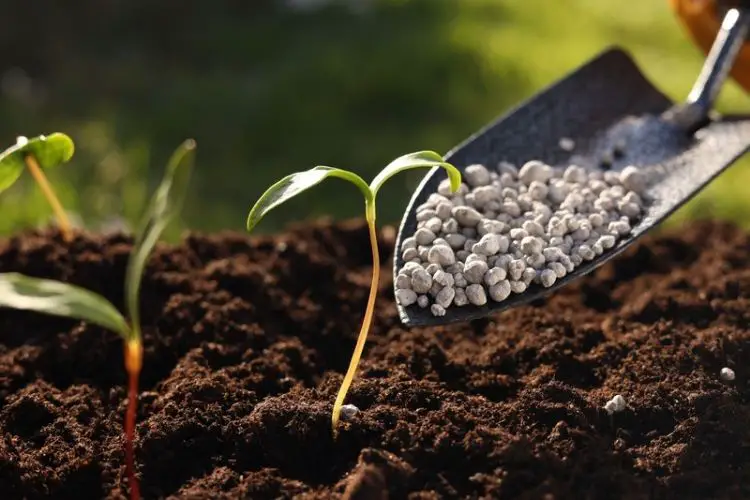
Welcome to the wonderful world of home plant fertilizers! Taking care of your indoor green friends can be incredibly rewarding, but it’s essential to provide them with the nutrients they need to thrive. Finding the best fertilizers for home plants can make a significant difference in their growth and overall health. Whether you’re a seasoned plant parent or just starting your indoor gardening journey, understanding the benefits of using fertilizers and knowing the differences between organic and synthetic options can help you make the right choices for your beloved plants. Let’s dive in and explore the fascinating world of plant nutrition!
Best Fertilizers for Home Plants
| Fertilizer Brand | Type | NPK Ratio | Price | Organic | Reviews |
|---|---|---|---|---|---|
| Miracle-Gro | All Purpose | 24-8-16 | $10 | No | 4.5/5 |
| Jobe’s Organics | Organic | 4-4-4 | $12 | Yes | 4.8/5 |
| Scotts Turf Builder | Lawn Fertilizer | 32-0-4 | $15 | No | 4.2/5 |
Benefits of Using Fertilizers for Home Plants
Fertilizers play a crucial role in ensuring the health and vitality of your home plants. By providing essential nutrients like nitrogen, phosphorus, and potassium, fertilizers help plants grow stronger, resist disease, and produce more vibrant blooms or fruits. Additionally, fertilizers can improve soil quality, promoting better water retention and drainage. Using fertilizers wisely can lead to lusher, greener plants that will thrive in your indoor or outdoor spaces. Whether you choose organic or synthetic options, incorporating fertilizers into your plant care routine can make a significant difference in the overall well-being of your beloved greenery.
Key Takeaways:
1. Fertilizers provide essential nutrients for plant growth and health.
2. They help plants resist disease and produce vibrant blooms or fruits.
3. Fertilizers can improve soil quality, promoting better water retention and drainage.
4. Choose between organic and synthetic fertilizers based on your preferences and plant needs.
5. Incorporating fertilizers into your plant care routine can lead to lusher, greener plants.
6. Properly using fertilizers can significantly impact the overall well-being of your home plants.
Organic vs. Synthetic Fertilizers: Which is Better?
When it comes to choosing the best fertilizers for home plants, the debate between organic and synthetic options is always a hot topic. Organic fertilizers, such as compost or manure, are derived from natural sources and are often considered more environmentally friendly. On the other hand, synthetic fertilizers are chemically formulated to provide specific nutrients to plants quickly. While organic fertilizers may be gentler on the environment, synthetic fertilizers tend to deliver faster results. Ultimately, the choice between organic and synthetic fertilizers comes down to personal preference and specific plant needs.
Factors to Consider When Choosing the Best Fertilizers for Home Plants
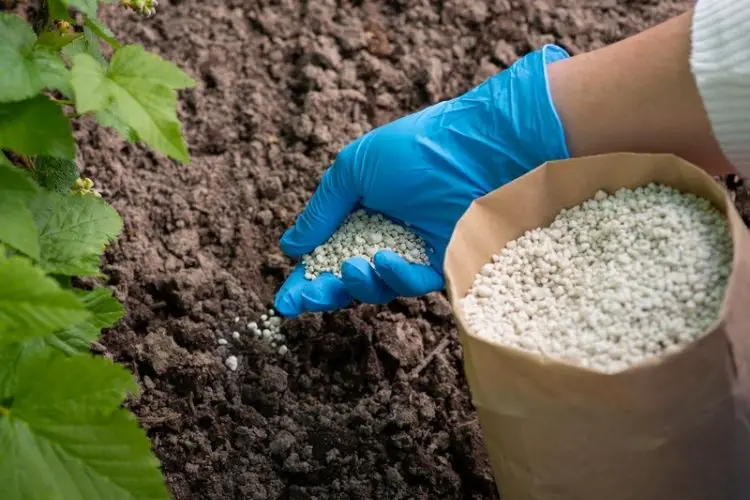
When it comes to selecting the best fertilizers for home plants, there are several key factors to keep in mind. First and foremost, consider the specific needs of your plants. Different plants require different nutrients, so it’s essential to choose a fertilizer that meets those requirements. Additionally, think about the form of fertilizer you prefer, whether it be liquid, granular, or slow-release. Another crucial factor is the frequency of application – some fertilizers need to be applied weekly, while others only require monthly feeding. By taking these factors into consideration, you can ensure that you’re providing your plants with the best possible care.
Best Fertilizers for Home Plants
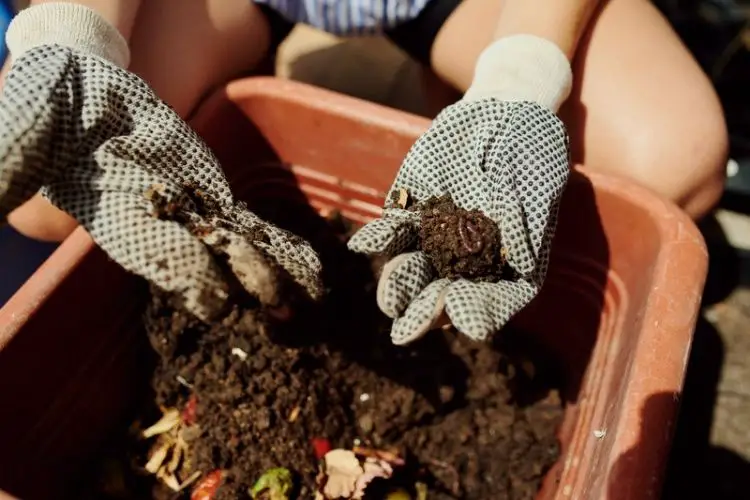
When it comes to selecting the best fertilizers for your beloved home plants, organic options are often a top choice. Organic fertilizers are derived from natural sources like compost, manure, or bone meal, making them gentle on plants and environmentally friendly. They release nutrients slowly, providing a steady supply for your plants’ growth and overall health. Some popular organic fertilizers include worm castings, fish emulsion, and seaweed extract. These natural options not only nourish your plants but also improve the soil structure, promoting long-term vitality. Consider incorporating organic fertilizers into your plant care routine for vibrant, thriving indoor greenery.
Best Fertilizers for Home Plants
When it comes to caring for your beloved home plants, choosing the right fertilizer is crucial for their overall health and growth. Among the wide array of options available, some stand out as the best fertilizers for home plants. These fertilizers are specially formulated to provide essential nutrients without causing harm to your plants. By opting for these top-notch products, you can ensure that your plants receive the nourishment they need to thrive and flourish. So, if you want to see your home plants at their best, consider investing in one of these best fertilizers for home plants.
Read also about: How to Successfully Grow Your Own Peanuts
Tips to Boost Your Plant’s Health with Fertilizers
Ensuring your home plants thrive involves more than just watering them regularly. Properly using fertilizers can make a significant difference in their growth and overall health. To get the best results, consider factors like the plant’s specific needs, the fertilizer’s NPK ratio, and the frequency of application. Remember that less is often more when it comes to fertilizing, as overdoing it can harm your plants. Always follow the instructions on the fertilizer packaging and adjust based on your plant’s response. With a bit of care and attention, you can transform your indoor oasis into a flourishing, green paradise.
FAQ – Best Fertilizers for Home Plants
What are the benefits of using fertilizers for home plants?
Using fertilizers for home plants can help provide essential nutrients that may be lacking in the soil, promote healthy growth, increase flower and fruit production, and overall improve the vitality of your plants.
How often should I fertilize my home plants?
The frequency of fertilizing your home plants depends on the type of plant, the season, and the specific fertilizer you are using. Generally, it is recommended to fertilize once a month during the growing season and less frequently during the dormant season.
What are some organic fertilizers I can use for my home plants?
Organic fertilizers such as compost, worm castings, seaweed extract, and fish emulsion are great options for providing nutrients to your home plants without the use of synthetic chemicals.
Can I over-fertilize my home plants?
Yes, over-fertilizing your home plants can lead to nutrient imbalances, root burn, and even plant death. It is important to follow the instructions on the fertilizer packaging and to monitor your plants for any signs of stress.
How can I tell if my home plants need fertilizer?
Signs that your home plants may need fertilizer include slow growth, yellowing leaves, reduced flowering or fruiting, and overall poor plant health. Conducting a soil test can also help determine if your plants are lacking essential nutrients.
Are there specific fertilizers for different types of home plants?
Yes, there are fertilizers formulated for specific types of plants such as flowering plants, succulents, vegetables, and indoor plants. Using the right fertilizer for the right plant can help optimize growth and health.
What are some tips for choosing the best fertilizers for my home plants?
When selecting a fertilizer for your home plants, consider factors such as the plant’s specific needs, your gardening goals, and whether you prefer organic or synthetic options. It’s also important to research different brands and read reviews to find a high-quality product.
Conclusion
Choosing the best fertilizers for your home plants is essential for promoting healthy growth and vitality. By understanding the benefits of fertilizers, knowing when and how to fertilize, and selecting the right products for your plants, you can help them thrive and flourish in your home.
Also Read: Discover the Secret to Growing Beautiful Microgreens!