
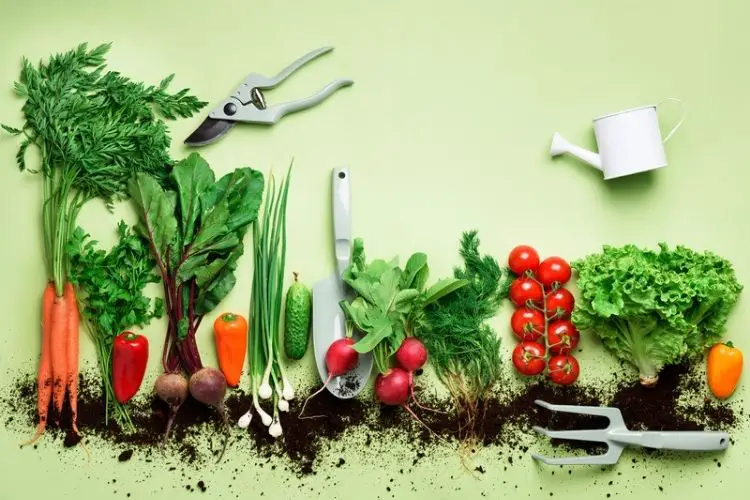
So, you’ve decided to dip your toes into the world of vegetable gardening. Congratulations! It’s a rewarding journey filled with the joy of nurturing plants from seed to harvest. As a beginner, there’s a wealth of knowledge to absorb, but don’t feel overwhelmed. Start small, with a few easy-to-grow veggies like tomatoes, lettuce, and carrots. Remember, patience is key in vegetable gardening. Take the time to learn about each plant’s needs and adjust as necessary. Stay connected to your garden, observe the changes, and enjoy the process of watching your efforts bloom into delicious, homegrown produce.
Essential Vegetable Gardening Tips for Beginners
| Tip | Description | Benefits | Common Mistakes to Avoid | Recommended Vegetables | Additional Resources |
|---|---|---|---|---|---|
| Start small | Begin with a small plot or container to manage | Less overwhelming, easier to maintain | Overplanting, neglecting watering | Tomatoes, lettuce, peppers | Online forums, gardening books |
| Proper watering | Water consistently, avoid overwatering | Healthy plant growth, prevent root rot | Underwatering, inconsistent watering schedule | Zucchini, carrots, radishes | Local gardening clubs, YouTube tutorials |
| Sunlight exposure | Ensure plants receive adequate sunlight | Promote photosynthesis, enhance flavor | Placing in shade, insufficient sunlight | Cucumbers, beans, spinach | Gardening magazines, community workshops |
Vegetable Gardening Tips for Beginners
When it comes to selecting the right vegetables for your garden as a beginner, it’s essential to start small and focus on easy-to-grow varieties. Opt for vegetables like tomatoes, lettuce, and zucchini that are known to be beginner-friendly and require minimal maintenance. Consider your personal preferences and what you enjoy eating, as this will make the gardening process more enjoyable and rewarding. Research different vegetable varieties to understand their growing requirements and choose those that align with your climate and soil conditions. Don’t be afraid to experiment and try new vegetables, but remember to start with a manageable selection to set yourself up for success.
Key takeaways:
1. Start small with easy-to-grow vegetables like tomatoes and lettuce.
2. Consider your personal preferences when selecting vegetables to grow.
3. Research different vegetable varieties to understand their requirements.
4. Choose vegetables that are suitable for your climate and soil conditions.
5. Experiment with new vegetables, but begin with a manageable selection.
6. Enjoy the process of growing your own produce and learning along the way.
Selecting the Ideal Location for Your Vegetable Garden
When it comes to starting your vegetable garden, one of the most crucial factors to consider is the location. You’ll want to choose a spot that receives plenty of sunlight, ideally around 6-8 hours a day, to ensure your plants thrive. Additionally, make sure the area has good drainage to prevent waterlogged soil, which can lead to root rot. Avoid planting near trees or large shrubs that may compete for nutrients and water with your veggies. By selecting the right location for your garden, you set yourself up for a successful and bountiful harvest.
Preparing the Soil for Planting
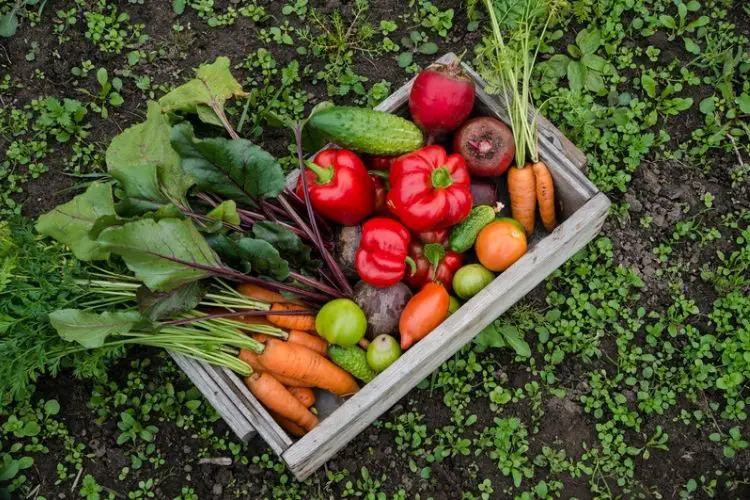
When it comes to vegetable gardening, the foundation of success lies in the soil. Before you even think about planting, take the time to prepare your soil properly. Start by testing the pH levels and nutrient content to ensure it is suitable for growing your chosen vegetables. If needed, amend the soil with organic matter like compost or aged manure to enrich its quality. This step is crucial for providing essential nutrients to your plants and promoting healthy growth. Remember, healthy soil equals healthy plants, so don’t skip this vital step in your vegetable gardening journey. These vegetable gardening tips for beginners will set you on the right path to a bountiful harvest.
Planting and Caring for Your Vegetables
When it comes to planting and caring for your veggies, the key is to start small and simple. Begin with easy-to-grow crops like tomatoes, cucumbers, and lettuce. These plants are forgiving and perfect for beginners. Make sure to space them properly to allow for growth and prevent overcrowding. Remember to water your plants regularly, especially during hot weather, and fertilize them every few weeks to promote healthy growth. Don’t forget to keep an eye out for any signs of pests or diseases and address them promptly to prevent any damage to your precious plants. By following these simple tips, you’ll be on your way to a successful vegetable garden in no time!
Dealing with Common Pests and Diseases
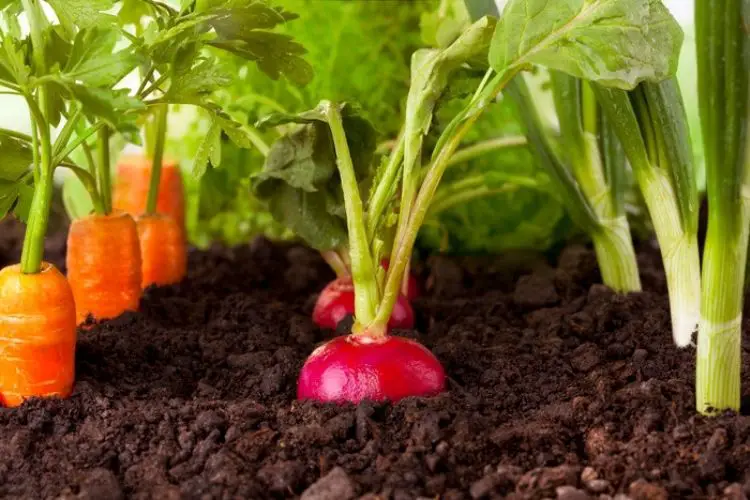
When it comes to vegetable gardening, dealing with pests and diseases is a common challenge that beginners often face. One of the best vegetable gardening tips for beginners is to stay vigilant and regularly inspect your plants for any signs of trouble. Whether it’s identifying aphids on your tomatoes or spotting early blight on your potatoes, early detection is key to preventing widespread damage. Consider implementing natural remedies like neem oil or introducing beneficial insects to keep pesky pests at bay. Remember, a healthy garden is a happy garden, so don’t be afraid to get your hands dirty and tackle those pesky intruders head-on!
Read also about: Tips for Successfully Growing Cucumbers
Harvesting and Enjoying Your Homegrown Produce
As you embark on your vegetable gardening journey, one of the most rewarding moments is harvesting the fruits of your labor. There’s something truly special about picking a ripe tomato or crisp lettuce leaf right from your own backyard. The satisfaction of knowing you grew these vegetables yourself is incomparable. Whether you’re a beginner or seasoned gardener, the joy of harvesting fresh produce never gets old. So take the time to savor the flavors of your homegrown vegetables, share them with loved ones, and bask in the pride of your green thumb accomplishments. Happy gardening!
Frequently Asked Questions
What are some easy vegetables to grow for beginners?
Starting with simple vegetables like tomatoes, lettuce, and radishes can build confidence and provide quick results.
How often should I water my vegetable garden?
It’s essential to water your garden consistently, aiming for about 1 inch of water per week, either from rainfall or manual watering.
What type of soil is best for vegetable gardening?
Rich, well-draining soil that is high in organic matter is ideal for growing healthy vegetables. Consider adding compost to improve soil quality.
When is the best time to plant vegetables?
Timing can vary depending on your location and the specific vegetables you’re growing, but generally, planting in the spring after the last frost is a good rule of thumb.
How can I protect my vegetable garden from pests?
Using natural methods like companion planting, physical barriers, and organic pest control products can help deter pests without harming your plants or the environment.
Should I use fertilizer in my vegetable garden?
Applying a balanced fertilizer or compost can help provide essential nutrients to your plants, but be cautious not to over-fertilize, as this can harm your vegetables.
What are some common mistakes to avoid as a beginner vegetable gardener?
Avoid overcrowding plants, neglecting watering, ignoring pest problems, and failing to rotate crops to prevent soil depletion. Learning from mistakes is part of the gardening journey!
Conclusion
Starting a vegetable garden as a beginner can be both rewarding and challenging. By following these tips and learning from your experiences, you’ll soon be enjoying a bountiful harvest of fresh, homegrown vegetables in no time!
Also Read: Discover How to Grow Beautiful Pineapples with These Helpful Tips