
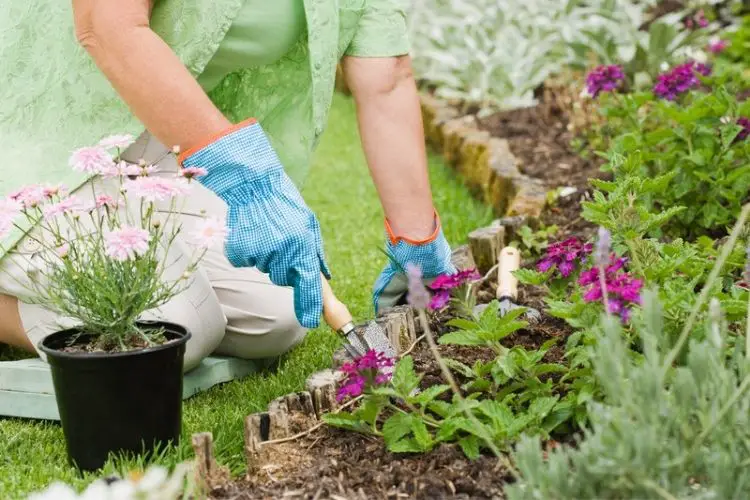
Are you ready to take on the challenge of gardening in hot climates? It can be a daunting task, but with the right tips and tricks up your sleeve, you can turn your outdoor space into a thriving oasis. The heat can be unforgiving, but don’t let that discourage you. There are plenty of ways to work with Mother Nature and create a beautiful garden that can withstand even the hottest of days. Stay tuned for some valuable advice on how to make the most of gardening in hot climates.
Tips for Gardening in Hot Climates
| Tip | Description |
|---|---|
| 1 | Choose heat-tolerant plants |
| 2 | Water deeply and infrequently |
| 3 | Add mulch to retain moisture |
| 4 | Plant in the early morning or late evening |
| 5 | Use shade cloth or row covers for protection |
| 6 | Provide adequate drainage for plants |
Tips for Gardening in Hot Climates
When it comes to gardening in hot climates, choosing heat-tolerant plants is paramount. Opt for varieties that can withstand long hours of direct sunlight and high temperatures without withering away. Succulents, cacti, and certain herbs like rosemary and thyme are excellent choices for resilient plants that thrive in hot weather. By selecting these heat-loving plants, you are setting yourself up for gardening success in challenging conditions. Remember, the right plant selection can make all the difference in creating a thriving garden oasis amidst sweltering temperatures.
Key Takeaways:
1. Choose heat-tolerant plants like succulents, cacti, and herbs.
2. Select varieties that can withstand long hours of direct sunlight.
3. Ensure your plants can endure high temperatures without wilting.
4. Opt for resilient species that thrive in hot weather conditions.
5. Make wise plant selections to ensure gardening success in hot climates.
6. Create a garden oasis by choosing the right heat-loving plants.
Tips for Gardening in Hot Climates
When it comes to gardening in hot climates, watering wisely is essential for the survival of your plants. It’s crucial to understand the specific needs of each plant, as some may require more water than others. One effective strategy is to water deeply but infrequently to encourage deep root growth and prevent evaporation. Additionally, consider investing in a drip irrigation system or soaker hoses to deliver water directly to the roots, minimizing loss due to evaporation. By being mindful of your watering habits, you can ensure that your plants thrive even in the scorching heat.
Providing Shade and Shelter for Your Plants
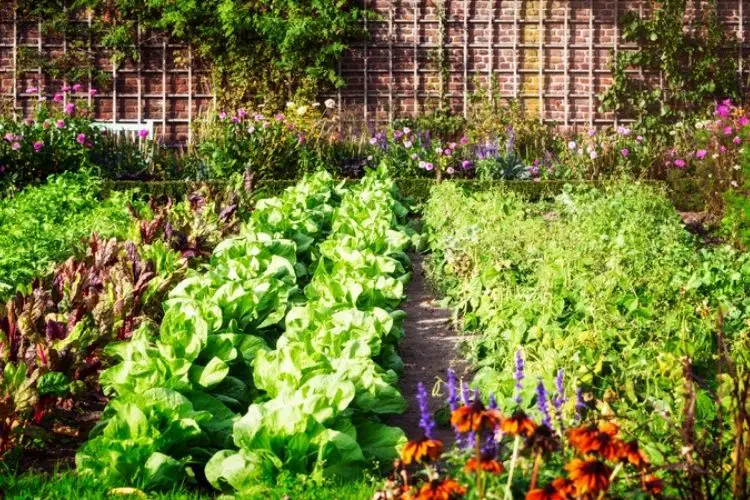
When it comes to gardening in hot climates, one of the most important tips for success is to provide ample shade and shelter for your plants. Just like us, plants can easily become stressed and wilted under the scorching sun. By strategically placing taller plants or using shade cloths, you can shield your precious greens from the harshest rays of the day. Consider creating a makeshift canopy or using trellises to offer protection from the intense heat. This simple yet effective strategy can make a world of difference in the health and vitality of your garden.
Timing is Key
When it comes to gardening in hot climates, timing truly is everything. The scorching sun can be brutal on young plants, so it’s essential to plant them at the right time of day. Early morning or late afternoon are ideal times to give your plants a fighting chance against the heat. By avoiding the peak sun hours, you can help prevent your plants from getting stressed and wilting under the intense heat. So, be mindful of the timing when tending to your garden, and your plants will thank you with healthy growth and vibrant blooms.
Tips for Gardening in Hot Climates
When it comes to maintaining a flourishing garden in scorching temperatures, mulch can be your best friend. This simple yet effective method not only helps retain moisture in the soil but also shields your plants’ delicate roots from the blistering heat. By spreading a generous layer of mulch around your garden beds, you create a protective barrier that keeps the soil cool and prevents evaporation. Organic mulches like bark chips or straw are excellent choices as they decompose over time, enriching the soil with essential nutrients. So, don’t underestimate the power of mulch when tackling the challenges of gardening in hot climates.
Read also about: How to Successfully Grow Vibrant Peppers in Your Garden
Stay Cool and Hydrated
When it comes to gardening in hot climates, it’s crucial to remember to take care of yourself as well. Just like your plants, you need to stay cool and hydrated to thrive in the scorching sun. Make sure to wear light, breathable clothing, a wide-brimmed hat, and sunscreen to protect yourself from the harsh rays. Keep a water bottle handy and take frequent breaks in the shade to prevent heat exhaustion. Remember, you can’t take care of your garden if you’re not taking care of yourself first. So, stay cool, stay hydrated, and happy gardening!
Frequently Asked Questions About Gardening in Hot Climates
How can I keep my plants hydrated in a hot climate?
Living in a hot climate can be tough on your plants, but with the right watering schedule and techniques, you can help them thrive. Consider watering your plants early in the morning or late in the evening to reduce evaporation. Mulching can also help retain moisture in the soil and protect your plants from the scorching sun.
What are some heat-tolerant plants that I can grow in a hot climate?
There are plenty of beautiful plants that can withstand the heat of a hot climate. Some examples include succulents, cacti, lavender, and bougainvillea. These plants have adapted to survive in arid conditions and can add a pop of color to your garden.
How can I protect my plants from the sun in a hot climate?
Providing shade for your plants is essential in a hot climate. Consider investing in a shade cloth or planting taller plants nearby to create natural shade. You can also use containers to move your plants to a shadier spot during the hottest part of the day.
What are some tips for conserving water in a hot climate?
Water conservation is crucial in a hot climate where water can quickly evaporate. Consider installing a drip irrigation system to water your plants efficiently. Collecting rainwater in barrels can also help you save water and reduce your water bill.
How can I improve the soil quality in a hot climate?
In hot climates, the soil can quickly become depleted of nutrients due to the intense heat. Adding compost, mulch, or organic fertilizer to your soil can help improve its quality and provide essential nutrients for your plants. Consider using a soil test kit to determine any deficiencies.
What are some pest control strategies for gardening in a hot climate?
Hot climates can attract a variety of pests that can damage your plants. Consider planting pest-repellent plants such as marigolds or basil to deter insects. You can also use natural remedies like neem oil or diatomaceous earth to control pests without harmful chemicals.
How can I create a low-maintenance garden in a hot climate?
Creating a low-maintenance garden in a hot climate is possible with the right planning. Choose drought-tolerant plants that require minimal water and maintenance. Consider using native plants that are adapted to the local climate and soil conditions. Adding a layer of mulch can also help reduce the need for watering and weeding.
Conclusion
Gardening in a hot climate can be challenging, but with the right tips and strategies, you can create a thriving garden that can withstand the heat. By staying proactive and adapting to the unique conditions of your environment, you can enjoy a beautiful and bountiful garden all year round. Happy gardening!
Also Read: Best Fruits to Grow in Small Spaces