
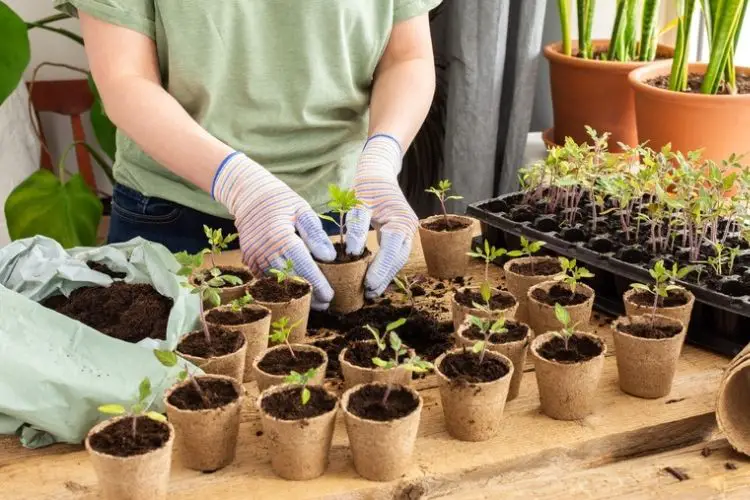
Transplanting seedlings may seem like a daunting task, but with the right knowledge and preparation, it can be a rewarding experience. Knowing how to transplant seedlings properly is essential for their survival and growth. Whether you’re a seasoned gardener or a beginner, understanding the basics of seedling transplanting is crucial for a successful gardening journey. Follow along as we explore the step-by-step process of transplanting seedlings and delve into tips and tricks to ensure your plants thrive in their new environment.
How to Transplant Seedlings:
| Seedling Type | Transplanting Depth | Spacing | Transplanting Time | Care Tips |
|---|---|---|---|---|
| Tomatoes | Up to First Leaves | 18-24 inches apart | After last frost | Water well after transplanting |
| Peppers | Up to First Leaves | 12-18 inches apart | After last frost | Provide adequate sunlight |
| Lettuce | Up to First Leaves | 6-12 inches apart | Early spring or fall | Keep soil moist |
Choosing the Right Time and Conditions for Transplanting
Transplanting seedlings can be a delicate process, so it’s essential to choose the right time and conditions for success. Before making the move, consider the weather forecast to ensure that your seedlings won’t be shocked by extreme temperatures. Aim for a cloudy day or late afternoon when the sun isn’t as harsh. Additionally, make sure to water your seedlings thoroughly a day or two before transplanting to keep their roots moist during the transition. Remember, patience is key when it comes to transplanting seedlings to give them the best chance of thriving in their new environment.
Key Takeaways:
1. Check the weather forecast for optimal transplanting conditions.
2. Choose a cloudy day or late afternoon to reduce stress on the seedlings.
3. Water seedlings well before transplanting to keep roots moist.
4. Be patient and gentle during the transplanting process for successful adaptation.
5. Avoid extreme temperatures during the transplanting process.
6. Consider the health of the seedlings before deciding to transplant.
Preparing Seedlings for Transplanting
Transplanting seedlings is like sending your kids off to college – you want to make sure they have everything they need to thrive on their own. Before moving your precious little seedlings to their new home in the garden, it’s essential to prepare them properly. Start by hardening off your seedlings, gradually exposing them to outdoor conditions like sunlight and wind. This helps them adjust and prevents shock when transplanted. Additionally, make sure your seedlings are well-watered but not waterlogged, as soggy roots can spell disaster during transplanting. Lastly, gently loosen the soil around the seedlings’ roots before transplanting to help them establish in their new environment smoothly. With these steps, your seedlings will be well-prepared for their big move.
Transplanting Seedlings Properly
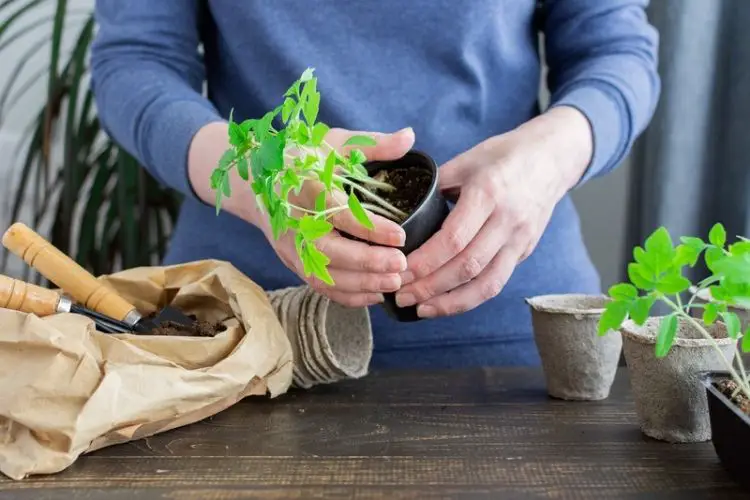
Transplanting seedlings can be a delicate process, but if done correctly, it can set the stage for healthy plants to thrive. When it comes to how to transplant seedlings, the key is to handle them with care. Gently remove the seedling from its original container, being mindful not to damage the roots. Dig a hole in the new planting location that is deep enough to accommodate the roots without bending or crowding them. Place the seedling in the hole and cover the roots with soil, pressing down gently to secure it in place. Water the newly transplanted seedling thoroughly to help it adjust to its new environment. With patience and attention to detail, your transplanted seedlings will thank you with vibrant growth.
Caring for Transplanted Seedlings
Once you’ve successfully transplanted your seedlings, it’s crucial to provide them with the proper care to ensure their growth and development. Make sure to water your seedlings regularly, keeping the soil moist but not waterlogged. Position them in a location with adequate sunlight, as most seedlings thrive in bright, indirect light. If you notice any signs of stress or wilting, adjust their environment accordingly. Remember to monitor for pests and diseases, as these can quickly damage your transplanted seedlings. By providing consistent care and attention, you can help your seedlings establish strong roots and flourish in their new environment.
Common Issues with Transplanted Seedlings
Transplanting seedlings can be a delicate process, and even with the best care, issues may arise. One common problem that many gardeners face is transplant shock, where seedlings struggle to adjust to their new environment. To prevent this, make sure to water the seedlings thoroughly before transplanting and provide adequate shade for the first few days. Another issue to look out for is root damage during the transplanting process. Be gentle when handling the seedlings and try not to disturb the roots too much. By being mindful of these potential issues, you can help your transplanted seedlings thrive in their new home.
Read also about: Seasonal Gardening Tips for a Thriving Garden
Conclusion
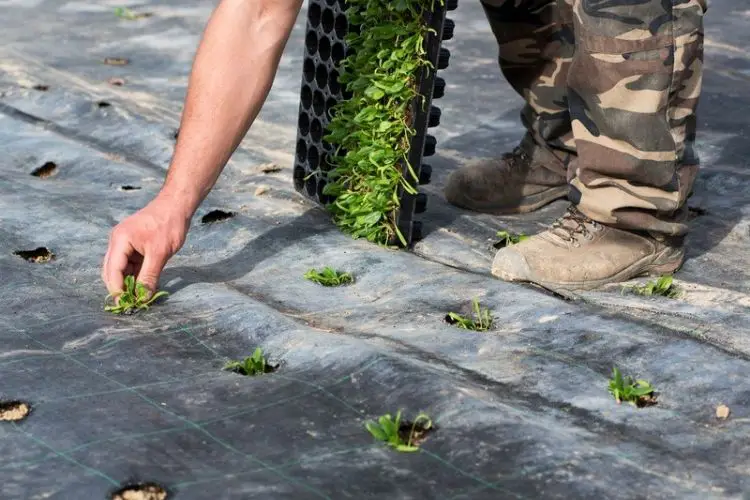
Transplanting seedlings may seem like a daunting task at first, but with the right timing, preparation, and care, you can give your plants the best chance at thriving in their new environment. Remember, just like us, seedlings need a little extra love and attention during this transition period. Keep a watchful eye on them, ensure they have enough water, sunlight, and nutrients, and be prepared to troubleshoot any issues that may arise. By following these steps and listening to your plants’ needs, you’ll have a bountiful harvest in no time. Happy gardening!
Frequently Asked Questions about Transplanting Seedlings
How do I know when my seedlings are ready to be transplanted?
Transplanting seedlings can be a delicate process, so it’s crucial to wait until they have developed strong roots and at least two sets of true leaves. This typically occurs around 4-6 weeks after germination, depending on the plant species. Keep an eye on their growth and be gentle when handling them to avoid damaging the delicate roots.
What is the best way to prepare my seedlings for transplanting?
Before transplanting your seedlings, it’s essential to water them thoroughly to help reduce transplant shock. Gently loosen the soil around the roots to ease their transition to a new environment. If the roots are tightly packed, carefully tease them apart to encourage healthy growth in their new home.
Can I transplant seedlings directly into my garden, or should I use pots first?
Transplanting seedlings directly into your garden can be risky, as they may not have developed strong enough roots to survive the outdoor conditions. It’s recommended to transplant them into pots first, allowing them to establish themselves before moving them to your garden. This process can help reduce the risk of transplant shock and increase their chances of thriving.
How can I prevent my seedlings from wilting after transplanting?
Wilting is a common issue after transplanting seedlings, often caused by a lack of water or transplant shock. To prevent wilting, make sure your seedlings are well-watered before and after transplanting. Consider using a transplanting solution to help reduce shock and promote healthy growth. Providing shade and protection from harsh sunlight can also help your seedlings adjust to their new environment.
Is it better to transplant seedlings in the morning or evening?
Transplanting seedlings in the evening is generally recommended, as the cooler temperatures and reduced sun exposure can help them recover from the shock more easily. Avoid transplanting in the middle of a hot day, as this can put additional stress on the seedlings. If you do transplant in the morning, be sure to provide shade and water them well to help them adjust.
What should I do if my seedlings appear to be struggling after transplanting?
If your seedlings are struggling after transplanting, don’t panic. Give them some time to adjust to their new environment and continue to provide them with proper care, including water, sunlight, and nutrients. Consider using a transplanting solution or adding organic matter to the soil to help them recover. With patience and care, most seedlings will bounce back and start thriving in their new home.
Can I transplant seedlings in the winter or should I wait until spring?
Transplanting seedlings in the winter can be challenging due to the colder temperatures and harsh weather conditions. It’s generally best to wait until spring when the weather is milder and more conducive to plant growth. If you must transplant in the winter, consider using protective coverings or a greenhouse to shield the seedlings from the elements and give them the best chance of survival.