
Starting a vegetable garden from scratch can be a rewarding experience that offers numerous benefits. Not only does it provide you with fresh, organic produce right at your fingertips, but it also promotes a sense of accomplishment and connection to nature. Whether you’re a seasoned gardener or a beginner, the process of nurturing a plant from seed to harvest is a truly magical journey. In this article, we will explore the steps to help you kickstart your very own vegetable garden and reap the rewards of your hard work.
How to Start a Vegetable Garden from Scratch
| Step | Description | Time Frame | Tools Needed | Cost | Tips |
|---|---|---|---|---|---|
| 1 | Choose a Location | 1 day | Shovel, rake, gloves | $0 | Consider sunlight and soil quality |
| 2 | Prepare the Soil | 2 days | Compost, fertilizer | $50 | Test soil pH before planting |
| 3 | Plan Your Garden Layout | 1 day | Measuring tape, stakes | $10 | Consider spacing and companion planting |
| 4 | Choose Vegetables to Plant | 1 day | Seedlings or seeds | $30 | Research planting times and care requirements |
| 5 | Plant and Water Regularly | Ongoing | Watering can or hose | $5/month | Monitor moisture levels and adjust as needed |
Choosing the Right Location for Your Garden
When embarking on the journey of starting a vegetable garden from scratch, selecting the perfect location is crucial. Opt for an area that receives ample sunlight, ideally six to eight hours a day, to ensure your plants thrive. Additionally, make sure the spot has access to water and is not prone to flooding or standing water. Consider the proximity to your home for convenience and accessibility. By choosing the right location, you set the foundation for a successful and bountiful garden.
Key Takeaways:
1. Select a sunny location for your garden.
2. Ensure the spot has access to water.
3. Avoid areas prone to flooding.
4. Consider proximity to your home for convenience.
5. Choose a location that is easily accessible.
6. The right location is essential for a successful garden.
Decide What Vegetables to Plant
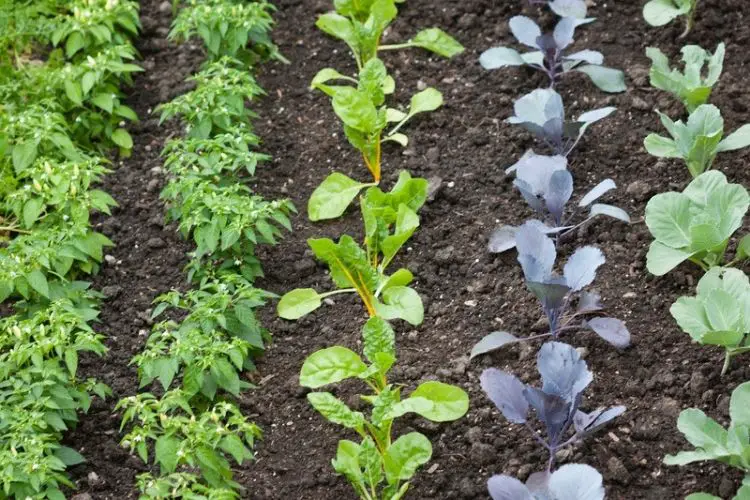
One of the most exciting parts of starting a vegetable garden from scratch is deciding what to plant. Consider what vegetables you enjoy eating, as well as what grows well in your climate and soil conditions. Think about the space you have available and how much time you can dedicate to caring for your garden. Start with a few easy-to-grow vegetables like tomatoes, lettuce, and peppers to build your confidence. As you gain experience, you can experiment with more challenging crops. Remember, the key is to start small and gradually expand as you become more comfortable with gardening.
Decide What Vegetables to Plant
When it comes to starting your own vegetable garden from scratch, the key is to choose the right vegetables to plant. Consider what you and your family enjoy eating, as well as the climate and soil conditions in your area. Think about the space you have available and how much time you can dedicate to caring for your garden. Some easy-to-grow vegetables for beginners include tomatoes, lettuce, carrots, and zucchini. These vegetables are not only delicious but also relatively low-maintenance, making them perfect for first-time gardeners. Remember, starting a vegetable garden is all about trial and error, so don’t be afraid to experiment and see what works best for you.
Planting Your Vegetables
When it comes to planting your vegetables, remember that each plant has different needs. Take the time to research the best planting times and spacing requirements for each type of vegetable you plan to grow. Consider starting with easy-to-grow options like tomatoes, cucumbers, or lettuce if you’re new to gardening. Ensure you follow the planting instructions on the seed packets or plant labels carefully. Don’t be afraid to get your hands dirty and experiment with different planting techniques to see what works best for your garden. Just like any new endeavor, planting your vegetables requires patience and a willingness to learn from both successes and failures. Remember, every sprout and bloom is a step closer to enjoying the fruits of your labor.
Watering and Maintaining Your Garden
When it comes to caring for your newly planted vegetable garden, watering and maintenance are crucial aspects to keep in mind. After all, you’ve put in all the hard work to get your garden up and running from scratch, so it’s essential to give your plants the attention they need to thrive. How to start a vegetable garden from scratch is just the beginning; now you must ensure your plants receive the right amount of water consistently. Remember, over-watering can be just as harmful as under-watering, so finding the perfect balance is key. Additionally, keep an eye out for any pests or diseases that may threaten your garden’s health. Regularly inspect your plants and take action promptly if you notice any issues. By staying on top of watering and maintenance, you’ll set yourself up for a successful harvest of your homegrown vegetables.
Read also about: Essential Tips for Growing Grapes
Harvesting Your Homegrown Vegetables
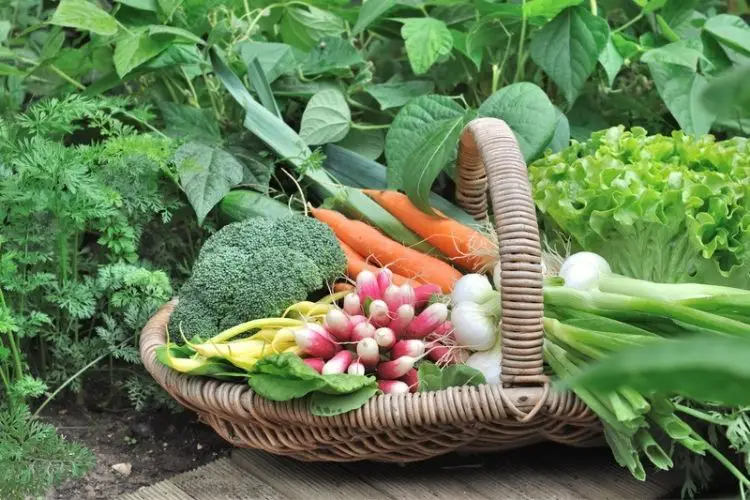
Now comes the most rewarding part of starting a vegetable garden from scratch – harvesting your homegrown vegetables! Picture yourself stepping into your garden, basket in hand, ready to pick your ripe tomatoes, crisp cucumbers, and vibrant bell peppers. It’s like a treasure hunt, uncovering the fruits of your labor. Remember to harvest your vegetables at the peak of ripeness for the best flavor and nutrients. Enjoy the satisfaction of knowing exactly where your food comes from and savor the fresh taste of your hard work. Share your bounty with friends and family, spreading the joy of homegrown goodness.
Frequently Asked Questions about Starting a Vegetable Garden from Scratch
What are the first steps to starting a vegetable garden from scratch?
Thinking about starting a vegetable garden from scratch can feel overwhelming for many people. But don’t worry! The first step is to choose a sunny spot in your yard or balcony that receives at least 6-8 hours of sunlight per day. Next, clear the area of any debris, weeds, or grass. Once you have a clean canvas, you can start planning the layout and design of your garden.
How do I prepare the soil for my vegetable garden?
Preparing the soil is a crucial step in starting a vegetable garden from scratch. Begin by testing the soil pH and making any necessary amendments to ensure it is in the optimal range for growing vegetables. You can improve the soil structure by adding organic matter such as compost, aged manure, or peat moss. Mixing in some organic fertilizer will also help provide essential nutrients for your plants.
Which vegetables are best for beginners to grow in a new garden?
If you are new to gardening, it’s best to start with easy-to-grow vegetables that are low-maintenance and have a high success rate. Some great options for beginners include tomatoes, lettuce, cucumbers, zucchini, peppers, and herbs like basil and parsley. These plants are resilient and forgiving, making them perfect for those just starting out.
How often should I water my vegetable garden?
Watering is a critical aspect of vegetable gardening, especially when starting from scratch. The frequency of watering will depend on factors like the weather, soil type, and the specific needs of your plants. As a general rule of thumb, most vegetables require about 1-2 inches of water per week, either from rainfall or irrigation. It’s essential to water deeply and consistently to encourage healthy root growth and prevent issues like blossom end rot.
What are some common pests and diseases to watch out for in a new vegetable garden?
As you start your vegetable garden from scratch, it’s essential to be aware of common pests and diseases that can affect your plants. Some notorious pests include aphids, caterpillars, and spider mites, while diseases like powdery mildew and blight can also pose a threat. Regularly inspecting your plants for signs of damage, practicing good garden hygiene, and using natural pest control methods can help prevent infestations and keep your garden healthy.
How can I extend my vegetable growing season?
If you want to enjoy fresh vegetables for an extended period, consider ways to extend your growing season. One popular method is using row covers or cold frames to protect plants from frost and chilly temperatures. You can also plant cold-hardy vegetables in the fall for a late harvest or start seeds indoors early to get a head start on the growing season. Experimenting with different techniques will help you maximize your vegetable yield throughout the year.
What are some essential tools and supplies I need to start a vegetable garden from scratch?
To set yourself up for success in starting a vegetable garden from scratch, you’ll need a few essential tools and supplies. Some must-haves include a garden spade or shovel for digging, a rake for leveling the soil, a watering can or hose for irrigation, gardening gloves to protect your hands, and a trowel for planting seeds or seedlings. Additionally, investing in quality soil amendments, seeds, and plant supports will help ensure a bountiful harvest.
Conclusion
Starting a vegetable garden from scratch can be a rewarding and fulfilling experience, even if you’re a beginner. By following these FAQs and taking the time to plan, prepare, and care for your garden, you’ll be on your way to growing your own fresh produce in no time. Remember, gardening is a journey, so don’t be afraid to make mistakes and learn from them along the way. Happy gardening!
Also Read: The Ultimate Guide to Growing Moss in Your Garden