
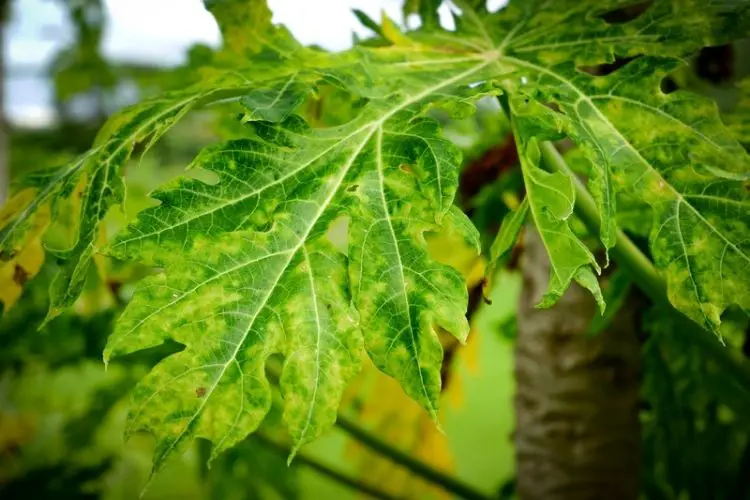
Plant diseases can wreak havoc on our beloved greenery, causing wilting leaves, stunted growth, and even death. Learning how to prevent plant diseases is crucial for maintaining a thriving garden or landscape. By taking proactive measures and implementing proper care techniques, you can protect your plants from succumbing to these harmful pathogens. Let’s explore some practical tips and strategies to keep your plants healthy and vibrant.
Prevent Plant Diseases: Tips and Strategies
| Method | Description |
|---|---|
| Proper Planting Practices | Ensure correct spacing, depth, and soil quality for optimal plant health. |
| Regular Inspection | Monitor plants for any signs of disease or pest infestation. |
| Good Hygiene | Keep tools and equipment clean to prevent the spread of pathogens. |
| Natural Predators | Encourage beneficial insects and animals to control pest populations. |
| Proper Watering | Avoid overwatering or underwatering, as it can weaken plants and make them more susceptible to diseases. |
| Healthy Soil | Use organic matter and compost to improve soil fertility, which in turn boosts plant immunity. |
Importance of Preventing Plant Diseases
Preventing plant diseases is crucial for maintaining the health and beauty of your garden. By implementing proper plant selection and placement, regular inspection and maintenance, good watering and drainage practices, proper nutrient management, and integrated pest management techniques, you can significantly reduce the risk of diseases affecting your plants. Not only does preventing plant diseases save you time and money on treatments, but it also ensures that your plants thrive and flourish in a disease-free environment, allowing you to enjoy a vibrant and lush garden all year round.
Key Takeaways:
1. Proper plant selection and placement are essential for preventing diseases.
2. Regular inspection and maintenance help identify and address issues early on.
3. Good watering and drainage practices promote healthy plant growth.
4. Proper nutrient management ensures plants have the necessary nutrients to fight off diseases.
5. Integrated pest management techniques can help control pests that spread diseases.
6. Preventing plant diseases saves time, money, and effort in the long run.
Proper Plant Selection and Placement
When it comes to preventing plant diseases, one of the key factors to consider is proper plant selection and placement. Just like humans, plants have their own preferences and needs. By selecting plants that are well-suited to your specific climate, soil type, and sunlight levels, you can significantly reduce the risk of disease. Additionally, placing plants in areas with good air circulation and appropriate spacing can help prevent the spread of pathogens. Remember, a little bit of research and planning during the selection and planting process can go a long way in ensuring the health and vitality of your garden.
Regular Inspection and Maintenance
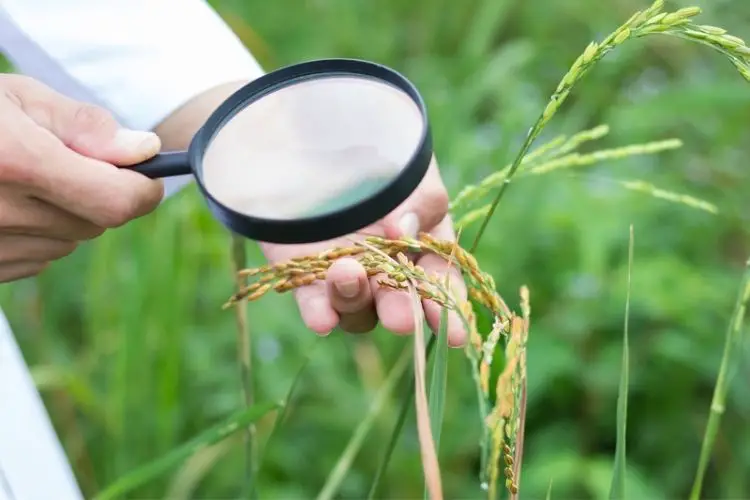
Ensuring the health of your plants involves more than just a casual glance now and then. Regular inspection and maintenance are key to preventing plant diseases. You need to keep a close eye on your plants, checking for any signs of distress or unusual growth patterns. By catching any issues early on, you can take quick action to prevent further spread. Regular maintenance tasks such as pruning dead or diseased branches, removing weeds, and cleaning up debris can also help create a healthy environment for your plants to thrive. Remember, a little bit of proactive care can go a long way in keeping your garden disease-free.
Proper Watering and Drainage Practices
Maintaining proper watering and drainage practices is crucial in preventing plant diseases. Overwatering can lead to root rot, while underwatering can stress plants, making them more susceptible to infections. To strike the right balance, water plants deeply but infrequently, allowing the soil to dry out slightly between watering sessions. Additionally, ensure good drainage by using well-draining soil and pots with drainage holes. By avoiding waterlogged conditions, you can create an environment that discourages the growth of harmful pathogens and promotes the health of your plants.
Proper Nutrient Management
When it comes to keeping your plants healthy and disease-free, proper nutrient management plays a crucial role. Just like humans need a balanced diet to stay strong and ward off illnesses, plants require the right nutrients to thrive. By ensuring that your plants receive the appropriate amount of essential nutrients such as nitrogen, phosphorus, and potassium, you can boost their immune systems and help them resist diseases. Over-fertilizing can be just as harmful as under-fertilizing, so it’s essential to strike the right balance. Remember, a well-fed plant is a happy plant!
Read also about: How to Grow Beautiful Sunflowers
Implementing Integrated Pest Management Techniques
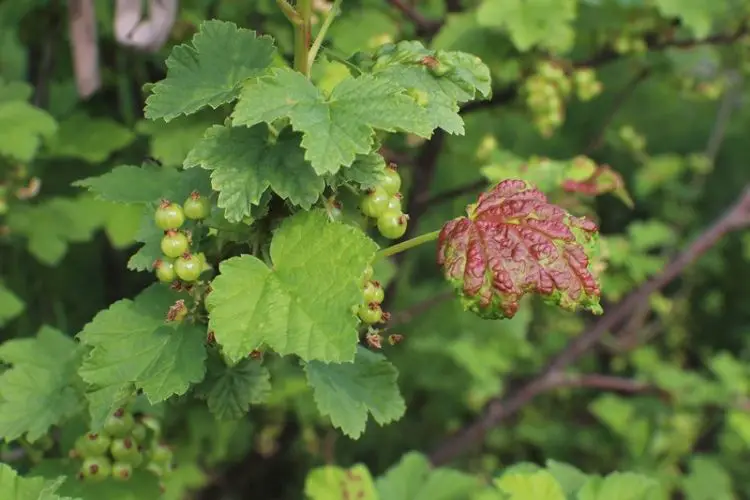
When it comes to preventing plant diseases, implementing Integrated Pest Management (IPM) techniques is crucial. This strategy involves using a combination of methods to manage pests in a way that minimizes their impact on plants while also reducing the need for harmful chemicals. By incorporating natural predators, crop rotation, and resistant plant varieties, you can create a balanced ecosystem that helps to keep pests at bay. IPM not only protects your plants but also promotes environmental sustainability by reducing the use of synthetic pesticides. By embracing this holistic approach, you can effectively safeguard your garden against the threat of diseases.
Frequently Asked Questions: How to Prevent Plant Diseases
What are the common signs of plant diseases?
Wilting, yellowing leaves, black spots, and stunted growth are some common signs of plant diseases.
How can I prevent plant diseases?
Proper watering, good air circulation, and regular inspection of your plants can help prevent diseases. Avoid overcrowding plants and ensure they have enough sunlight.
Should I use chemical pesticides to prevent plant diseases?
While chemical pesticides can be effective, they can also harm beneficial insects and the environment. Consider using organic methods like neem oil or insecticidal soap.
Can over-fertilization lead to plant diseases?
Yes, over-fertilization can lead to nutrient imbalances in the soil, making plants more susceptible to diseases. Follow recommended fertilization guidelines to avoid this.
Is crop rotation important for preventing plant diseases?
Yes, crop rotation is crucial for preventing the buildup of pathogens in the soil. Rotating crops can help break the disease cycle and improve soil health.
Are there natural remedies for plant diseases?
Yes, natural remedies like garlic spray, baking soda solution, and compost tea can help prevent and control plant diseases without harming the environment.
How can I identify the specific disease affecting my plants?
Consult a local extension office or a plant expert to accurately identify the disease affecting your plants. They can provide specific recommendations for treatment.
Conclusion
Preventing plant diseases requires a combination of proper care, observation, and timely action. By following good gardening practices and using natural remedies, you can keep your plants healthy and thriving.
Also Read: Discover the Secrets to Successfully Growing Delicious Tomatoes!