
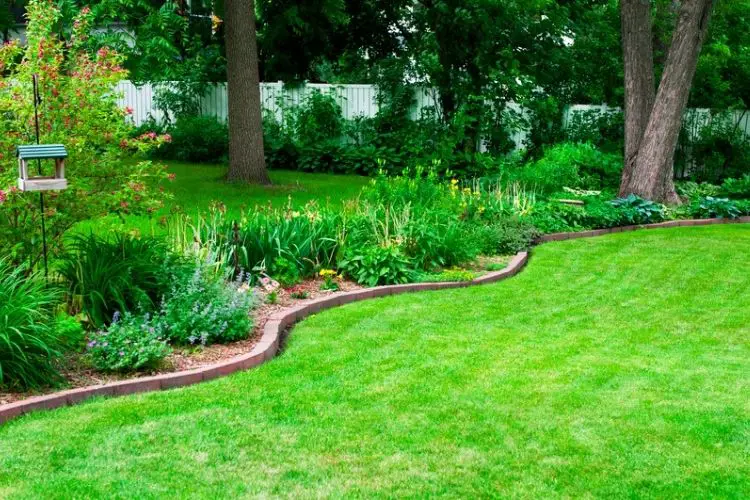
Are you ready to transform your outdoor space into a beautiful oasis but not sure where to start? Planning a garden layout can seem like a daunting task, but fear not! With the right approach and a touch of creativity, you can create a stunning garden that suits your style and needs. From assessing your space and conditions to choosing the perfect plants, designing the layout, and finally implementing and maintaining your garden, this guide will walk you through the process step by step. Let’s dive in and discover how to plan a garden layout that will bring joy and beauty to your outdoor space!
How to Plan a Garden Layout: Informative Table
| Aspect | Consideration | Implementation | Plant Selection | Seasonal Rotation | Final Touches |
|---|---|---|---|---|---|
| Sunlight | Full sun vs. partial shade | Position plants accordingly | Choose plants suitable for light conditions | Adjust planting scheme seasonally | Add decorative elements |
| Soil Quality | Testing and amending soil | Prepare soil for optimal growth | Select plants compatible with soil type | Rotate crops to maintain soil health | Include pathways or seating areas |
| Layout Design | Functional and aesthetic balance | Sketch garden layout beforehand | Create focal points and diversity | Plan for seasonal changes in layout | Consider adding water features |
Assessing Your Space and Conditions
When it comes to planning your garden layout, the first step is assessing your space and the conditions it provides. Take a look at how much sunlight your garden receives throughout the day, the quality of your soil, and the drainage in the area. Consider the size of your space and any potential obstacles like trees or structures that could impact your layout. By understanding these factors, you can choose plants that will thrive in your specific environment and design a garden that maximizes the potential of your space.
Key Takeaways:
1. Evaluate sunlight exposure, soil quality, and drainage in your garden area.
2. Consider the size of your space and any obstacles that could affect your layout.
3. Choose plants that are well-suited to your specific environmental conditions.
4. Design your garden layout to maximize the potential of your space.
5. Keep in mind the need for maintenance and accessibility in your design.
6. Regularly assess and adjust your garden plan to ensure its success.
Choosing the Right Plants for Your Garden
When it comes to selecting plants for your garden, it’s crucial to consider factors like sunlight exposure, soil quality, and climate conditions. Think about what kind of aesthetic you want to achieve – whether it’s a vibrant pop of color or a calming green oasis. Research different plant varieties that thrive in your specific environment and match your vision for the space. Consider the growth habits of each plant – will they complement each other or compete for resources? Remember, diversity is key to a healthy garden ecosystem. Don’t be afraid to experiment with different combinations until you find the perfect balance for your garden layout.

Designing Your Garden Layout
Planning the layout of your garden is like creating a beautiful masterpiece – it takes time, effort, and a touch of creativity. When considering how to plan a garden layout, think about the functionality and aesthetics of your space. Are you looking to create a cozy retreat with a seating area surrounded by fragrant flowers? Or perhaps you envision a vegetable garden with neat rows of crops basking in the sun. Whatever your vision, make sure to consider the size and shape of your garden, as well as any existing features like trees or structures that could influence your layout design. By carefully designing your garden layout, you can create a harmonious space that brings you joy and beauty for years to come.
Implementing Your Garden Plan
Once you’ve carefully designed your dream garden layout, it’s time to put your plan into action. Start by gathering all the necessary tools and materials, such as soil, mulch, plants, and gardening equipment. Begin planting your chosen flora according to your layout design, paying close attention to spacing and sunlight requirements. As you work, remember that gardening is a labor of love and patience—take your time and enjoy the process. Once all your plants are in place, water them thoroughly and provide any necessary support structures. By following your plan diligently, you’ll soon see your garden come to life before your eyes.
Maintaining and Updating Your Garden Layout
After you’ve implemented your garden plan, the work doesn’t stop there. To ensure your garden layout stays vibrant and healthy, regular maintenance is key. This includes tasks like watering, weeding, pruning, and fertilizing. By staying on top of these maintenance tasks, you can prevent issues like overgrown plants or nutrient deficiencies. Additionally, don’t be afraid to update your garden layout as needed. As your plants grow and evolve, you may find that certain areas need to be adjusted or redesigned. By staying flexible and open to change, you can create a garden that continues to thrive for years to come.
Read also about: Step-by-Step Guide to Growing Peppercorn Plants
Tips and Tricks for a Successful Garden Layout Plan
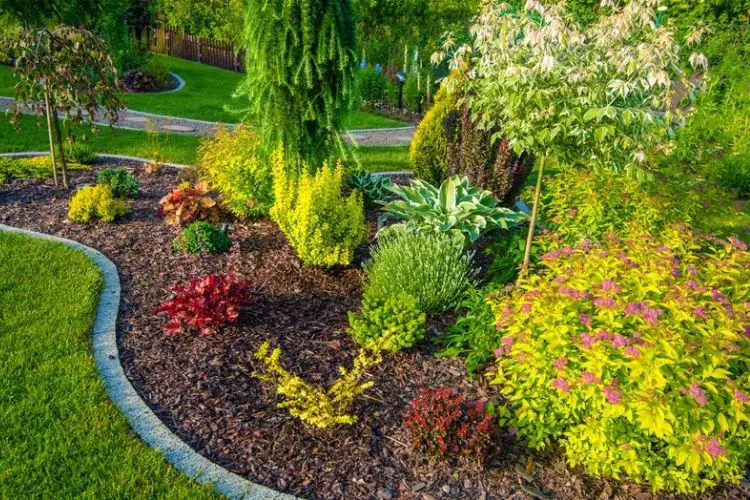
Planning a garden layout can be both exciting and overwhelming, but fear not! Here are some helpful tips and tricks to ensure your garden thrives. First and foremost, make sure to consider the specific needs of your plants, such as sunlight, soil type, and water requirements. Additionally, don’t forget to rotate your crops each season to prevent soil depletion and pest infestations. Another key tip is to group plants with similar needs together to make watering and maintenance more efficient. Lastly, don’t be afraid to experiment and make adjustments as you go along – gardening is a journey, not a destination!
Frequently Asked Questions
What factors should I consider when planning a garden layout?
When planning a garden layout, consider factors such as sunlight exposure, soil quality, drainage, and the types of plants you want to grow.
How do I determine the best location for my garden?
Choose a location that receives ample sunlight, has good drainage, and is easily accessible for watering and maintenance.
What tools do I need to create a garden layout?
Basic gardening tools such as a trowel, rake, shovel, and pruners are essential for creating a garden layout.
How can I maximize space in a small garden?
Consider vertical gardening techniques, such as trellises and hanging planters, to maximize space in a small garden.
What are some common mistakes to avoid when planning a garden layout?
Avoid overcrowding plants, neglecting to consider plant spacing, and failing to plan for future growth when designing a garden layout.
How do I create a visually appealing garden layout?
Incorporate a variety of colors, textures, and heights in your garden design to create visual interest and appeal.
What are some resources I can use to help plan my garden layout?
Online garden planning tools, books on gardening design, and visiting botanical gardens can provide inspiration and guidance for planning your garden layout.
Conclusion
Planning a garden layout requires careful consideration of various factors to create a beautiful and functional outdoor space that suits your needs and preferences.
Also Read: Discover the Secrets to Growing Healthy Avocado Trees