
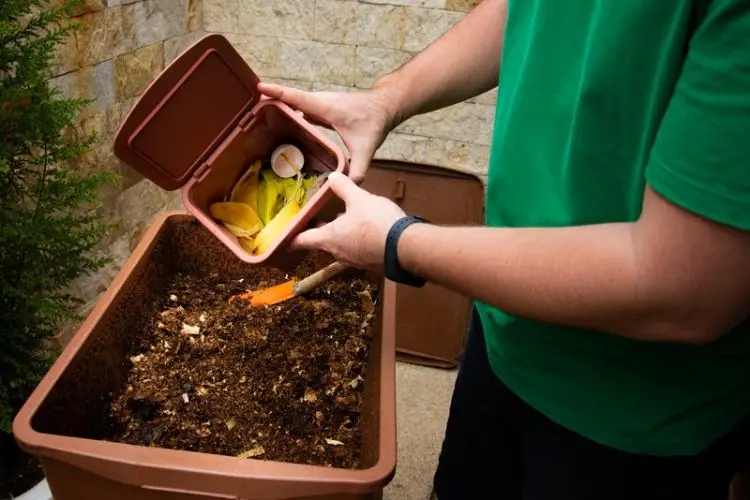
Composting is like nature’s way of recycling, turning food scraps and yard waste into nutrient-rich soil for your plants. It’s a simple yet powerful method that not only reduces waste but also benefits the environment and your garden. Learning how to make compost at home can be a rewarding experience that connects you with the natural cycle of life. By taking a few simple steps, you can create your own compost pile and contribute to a healthier, more sustainable way of living. Let’s explore the world of composting and discover the magic of turning kitchen scraps into black gold.
Home Composting Guide
| Materials | Benefits | Process | Time Required | Maintenance | Tips |
|---|---|---|---|---|---|
| Food scraps, yard waste | Rich soil for plants | Layering and turning | 2-3 months | Regular turning and moisture | Balance greens and browns |
| Shredded paper, coffee grounds | Reduces landfill waste | Aerobic decomposition | 4-6 weeks | Check temperature and moisture | Avoid meat and dairy |
| Compost bin or pile | Free natural fertilizer | Heat and microorganisms | 6-12 months | Regular turning and monitoring | Aerate regularly |
The Benefits of Composting at Home
Composting at home is not only environmentally friendly but also incredibly beneficial for your garden and the planet. By turning food scraps and yard waste into nutrient-rich soil, you can reduce waste sent to landfills and create a sustainable cycle of growth. Not only does composting help enrich soil and reduce the need for chemical fertilizers, but it also promotes healthy microbial activity in the soil, leading to stronger, more vibrant plants. Additionally, composting can save you money on store-bought fertilizers and mulch while reducing greenhouse gas emissions. Embrace the beauty of composting and watch your garden flourish!
Key takeaways:
1. Composting reduces waste and benefits the environment.
2. It enriches soil and reduces the need for chemical fertilizers.
3. Composting promotes healthy microbial activity for plants.
4. It can save you money on store-bought fertilizers.
5. Composting helps reduce greenhouse gas emissions.
6. Embrace composting to create a sustainable cycle of growth.
Choosing the Right Composting Method
When it comes to choosing the right composting method for your home, there are several options to consider. From traditional compost bins to tumblers and worm bins, each method offers unique benefits depending on your space and lifestyle. If you have a larger backyard, a traditional compost heap might be the way to go, allowing for ample space to break down organic materials naturally. On the other hand, if you live in a smaller urban setting, a worm bin or tumbler could be more practical, offering a more compact and odor-free solution. Ultimately, the key is to find a method that fits your needs and preferences while still effectively turning your food scraps and yard waste into nutrient-rich compost for your plants.
Ingredients for Making Compost
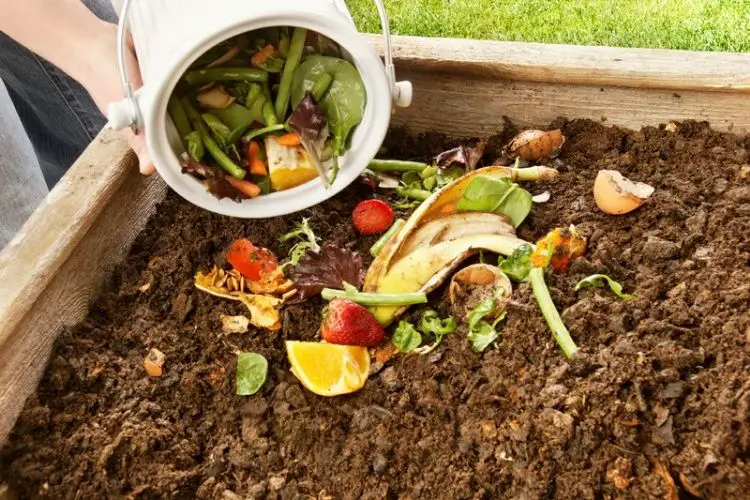
Making your own compost at home is a rewarding and eco-friendly way to reduce waste and nourish your garden. To create nutrient-rich compost, you’ll need a good mix of “greens” and “browns.” Greens are nitrogen-rich materials like fruit and vegetable scraps, grass clippings, and coffee grounds. Browns, on the other hand, are carbon-rich materials such as dried leaves, straw, and shredded paper. By balancing these ingredients in your compost heap, you can create a healthy environment for beneficial organisms to break down the organic matter into rich compost for your plants. So, gather your greens and browns, and let’s get started on how to make compost at home!
Steps for Making Compost at Home
Creating your own compost at home is easier than you might think! To get started, you’ll need a mix of green and brown materials. Green materials include things like fruit and vegetable scraps, coffee grounds, and grass clippings. Brown materials, on the other hand, consist of items like dry leaves, straw, and wood chips. Layer these materials in a compost bin or pile, making sure to keep them moist and aerated. Turn the pile regularly to speed up the decomposition process. Before you know it, you’ll have nutrient-rich compost ready to use in your garden!
Troubleshooting Common Composting Issues
Composting at home can sometimes come with its fair share of challenges, but fear not! With a little bit of know-how and patience, you can overcome these common issues. One frequent problem is a smelly compost heap, which can result from too much moisture or inadequate airflow. To combat this, simply turn your compost regularly and add more dry materials like leaves or shredded paper. If you find that your compost isn’t breaking down as quickly as you’d like, it may be due to a lack of nitrogen-rich materials. Consider adding more kitchen scraps or grass clippings to balance out the carbon-rich browns. Remember, a little troubleshooting can go a long way in perfecting your composting process!
Read also about: Discover the Benefits of Growing Aloe Vera at Home
Tips for Maintaining Your Compost Heap
Keeping your compost heap healthy and productive requires some effort, but the results are worth it. One important tip is to regularly turn your compost pile to ensure proper aeration and decomposition. Adding a balanced mix of green and brown materials, such as kitchen scraps, yard waste, and shredded paper, will help maintain the right moisture levels and nutrient balance. It’s also essential to monitor the temperature of your compost heap and adjust the ingredients accordingly. By staying consistent and attentive to your composting process, you’ll create nutrient-rich soil that benefits both your garden and the environment.
Frequently Asked Questions about Making Compost at Home
What is composting?
Composting is the natural process of recycling organic matter, such as food scraps and yard waste, into nutrient-rich soil that can be used to improve the health of your garden.
Why should I make compost at home?
Making compost at home not only reduces waste that would otherwise end up in landfills but also provides a sustainable way to enrich your garden soil without the use of chemical fertilizers.
How do I start composting at home?
To start composting at home, you’ll need a compost bin or pile, a good mix of green (nitrogen-rich) and brown (carbon-rich) materials, and some patience. Simply layer your organic waste and let nature do the rest!
What can I compost at home?
You can compost a variety of kitchen scraps, yard waste, and even paper products. Just avoid adding meat, dairy, or oils, as they can attract pests and slow down the composting process.
How long does it take to make compost at home?
The time it takes to make compost at home can vary depending on factors like temperature, moisture, and the mix of materials. On average, it can take anywhere from a few months to a year to produce finished compost.
How do I know when my compost is ready to use?
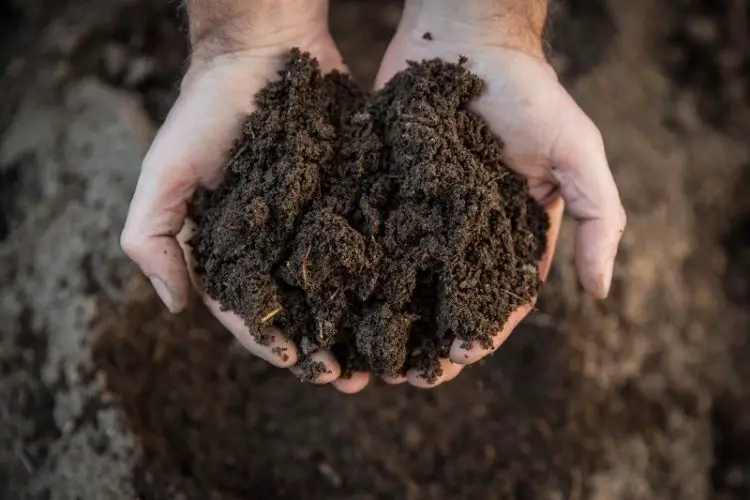
Finished compost should have a dark, crumbly texture and a earthy smell. You may still see some bits of organic matter, but overall, the compost should be well decomposed and ready to add to your garden.
Any tips for successful composting at home?
To ensure successful composting at home, make sure to regularly turn your compost pile to aerate it, keep it moist but not too wet, and balance the mix of green and brown materials. Remember, composting is a journey, so don’t be afraid to experiment and learn along the way.
Conclusion
Composting at home is a rewarding and sustainable way to reduce waste, nourish your garden, and connect with nature. By following these simple steps and tips, you can create your own nutrient-rich compost right in your backyard. Happy composting!
Also Read: Discover the Secrets to Successful Gardening