
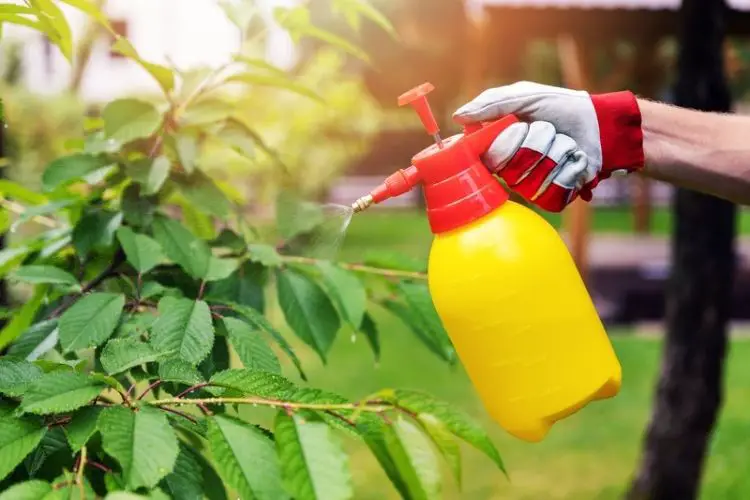
Have you ever felt frustrated seeing your beautiful garden ruined by pesky pests? It can be disheartening to put in all that hard work only to have it destroyed by unwanted visitors. But fear not, there are natural methods you can use to protect your garden without resorting to harmful chemicals. Learning how to get rid of garden pests naturally not only benefits your plants but also the environment. By creating a harmonious balance in your garden, you can enjoy a thriving ecosystem where your plants can flourish without the need for harsh pesticides. Let’s explore some effective ways to keep your garden pest-free the natural way!
Effective Natural Methods to Get Rid of Garden Pests
| Method | Ingredients/Tools | Effectiveness | Cost | Eco-Friendliness | Additional Tips |
|---|---|---|---|---|---|
| Neem Oil Spray | Neem oil, water, soap | High | Low | High | Apply in the evening for best results |
| Diatomaceous Earth | Natural powder | Medium | Low | High | Reapply after rain |
| Beneficial Insects | Ladybugs, lacewings, praying mantis | High | Varies | High | Provide habitat for these insects |
Identifying Common Garden Pests and Their Damage
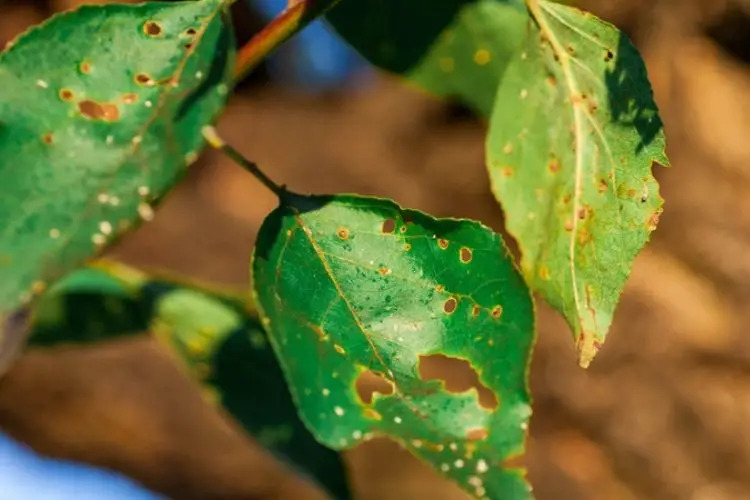
When it comes to maintaining a healthy garden, it’s crucial to be able to identify common garden pests and understand the damage they can cause. From pesky aphids sucking the life out of your plants to destructive caterpillars munching away at your leaves, these critters can wreak havoc on your hard work. By knowing what to look for, you can take proactive measures to protect your garden from these unwanted visitors. Pay close attention to any holes in your leaves, yellowing or curling foliage, or sticky residue left behind – these are all telltale signs that pests may be present.
Key Takeaways:
1. Learn to identify common garden pests by their physical characteristics and the damage they cause.
2. Look for signs of pest infestations such as holes in leaves, yellowing or curling foliage, or sticky residue.
3. Regularly inspect your plants for any signs of pests to catch infestations early.
4. Understanding the specific pests in your area can help you implement targeted control methods.
5. Keeping a close eye on your garden can help you prevent extensive damage before it occurs.
6. Research natural and environmentally friendly ways to control pests to protect your garden ecosystem.
Creating a Healthy Environment for Your Garden
When it comes to maintaining a thriving garden, creating a healthy environment is key to keeping pesky pests at bay. One of the best ways to do this is by practicing good gardening habits, such as proper watering, adequate sunlight, and nutrient-rich soil. By ensuring your plants are well-nourished and strong, they are better equipped to resist attacks from common garden pests. Additionally, incorporating a diverse range of plant species can help naturally deter pests and promote a balanced ecosystem within your garden. Remember, a healthy garden is a happy garden!
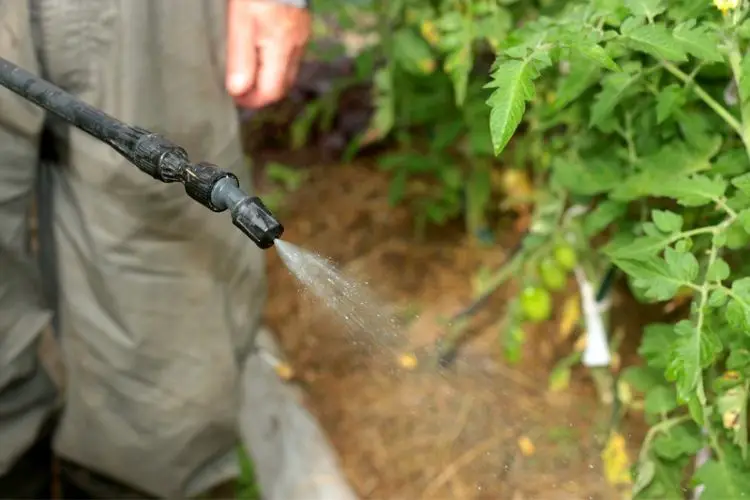
Natural Pest Control Methods for Garden Pests
When it comes to dealing with pesky garden pests, sometimes the best approach is a natural one. You might be wondering, “How to get rid of garden pests naturally?” Well, there are several methods you can try that are both effective and eco-friendly. One option is to use neem oil, a natural insecticide that is safe for plants and the environment. Another approach is to introduce beneficial nematodes into your garden, which can help control destructive pests like grubs and caterpillars. By incorporating these natural pest control methods into your gardening routine, you can maintain a healthy and thriving garden without relying on harmful chemicals.
Utilizing Beneficial Insects and Animals
One effective way to tackle garden pests naturally is by harnessing the power of beneficial insects and animals. Ladybugs, for example, are fantastic allies in combating aphids, while ground beetles can help control slug populations. By attracting these helpful creatures to your garden through the use of native plants and shelter, you can create a balanced ecosystem that naturally regulates pest populations. Encouraging biodiversity in your garden not only reduces the need for harmful chemical pesticides but also promotes a healthier and more resilient environment for your plants to thrive in.
DIY Pest Repellents and Traps
Struggling with pesky garden pests ruining your hard work? Here’s how to get rid of garden pests naturally with some DIY solutions. One effective method is creating homemade repellents using ingredients like garlic, pepper, or even essential oils. These natural scents can deter insects without harming beneficial ones. Additionally, setting up traps with beer or vinegar can attract and capture pests like slugs and fruit flies. By incorporating these simple yet effective techniques, you can maintain a pest-free garden environment without resorting to harmful chemicals. Give it a try and watch your garden thrive!
Read also about: Tips for Growing Aloe Vera Plants
Maintaining a Pest-Free Garden Environment
Keeping your garden free from pests is an ongoing process that requires dedication and consistency. Regularly inspect your plants for any signs of pest infestations and take prompt action to address the issue. Implementing natural pest control methods, such as introducing beneficial insects and animals, using DIY pest repellents and traps, and creating a healthy environment for your garden, can help deter pests effectively. By staying proactive and vigilant, you can maintain a balanced ecosystem in your garden and minimize the damage caused by common garden pests. Remember, a little effort goes a long way in creating a thriving and pest-free garden.
Frequently Asked Questions
How can I effectively get rid of garden pests without using harmful chemicals?
Are you tired of battling annoying bugs in your garden without resorting to toxic chemicals? There are several natural methods you can try to keep your plants safe, such as companion planting, using neem oil, attracting beneficial insects, and incorporating physical barriers like row covers.
What are some natural ways to deter common garden pests like aphids and slugs?
Aphids and slugs can wreak havoc on your garden, but you can deter them naturally by planting garlic, chives, or marigolds to repel them. You can also sprinkle diatomaceous earth around your plants or place beer traps for slugs to keep them at bay.
How can I attract beneficial insects to my garden to help control pest populations?
Beneficial insects like ladybugs, lacewings, and praying mantises can be your garden’s best friends when it comes to pest control. By planting a variety of flowers that attract these insects, you can create a balanced ecosystem that keeps harmful pests in check.
Is it possible to use homemade remedies to combat garden pests effectively?
Absolutely! Homemade remedies like garlic spray, chili pepper spray, and soapy water solutions can be highly effective at controlling pests in your garden without harming the environment. Plus, they’re easy to make and won’t break the bank.
What role do natural predators play in controlling garden pest populations?
Natural predators like birds, toads, and snakes can be excellent allies in your battle against garden pests. By creating a welcoming environment for these predators in your garden, you can establish a natural balance that keeps pest populations in check.
Are there any specific plants I can grow that naturally repel common garden pests?
Yes, certain plants like mint, basil, and lavender are known for their pest-repelling properties. By strategically planting these herbs around your garden, you can create a natural barrier that deters pests and keeps your plants safe.
How can I prevent future pest infestations in my garden without resorting to chemical pesticides?
Prevention is key when it comes to managing garden pests naturally. Regularly inspecting your plants for signs of infestation, practicing good garden hygiene, rotating your crops, and maintaining healthy soil can all help prevent future pest problems without the need for harmful pesticides.
Conclusion
Keeping your garden pest-free naturally is not only effective but also environmentally friendly. By implementing these natural pest control methods, you can protect your plants while fostering a healthy ecosystem in your garden. Happy gardening!
Also Read: Everything You Need to Know About Growing Brussels Sprouts