
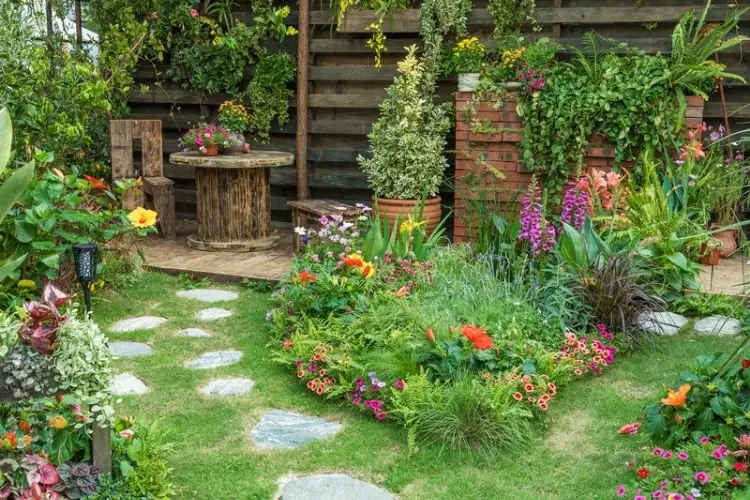
When it comes to creating a welcoming and vibrant outdoor space, caring for your plants is essential. Not only do they add beauty and life to your garden or patio, but they also provide a sense of tranquility and relaxation. Learning how to care for outdoor plants can be a rewarding experience, as you witness the growth and transformation of your green friends. By understanding the specific needs of each plant and providing them with the proper care, you can create a thriving outdoor oasis that brings joy and serenity to your everyday life.
Guide to Caring for Outdoor Plants
| Plant Type | Watering Frequency | Sunlight Requirement | Soil Type | Pruning Needs | Pest Control |
|---|---|---|---|---|---|
| Roses | Twice a week | Full sun | Well-draining | Deadheading | Aphids, Japanese beetles |
| Lavender | Once a week | Partial sun | Sandy | Prune after bloom | Spider mites, thrips |
| Tomatoes | Every 2-3 days | Full sun | Rich in organic matter | Staking | Hornworms, whiteflies |
Choosing the right plants for your outdoor space
When it comes to caring for outdoor plants, selecting the right ones for your specific space is crucial. Consider the amount of sunlight your area receives, as some plants thrive in full sun while others prefer shade. Think about the size of your outdoor space and choose plants that will not outgrow their surroundings. Additionally, take into account the climate in your region to ensure the plants you select are suitable for the temperatures and weather conditions. By choosing plants that are well-suited to your outdoor environment, you can set yourself up for success in caring for them effectively.
Key Takeaways:
1. Consider sunlight requirements when choosing outdoor plants.
2. Select plants that fit the size of your outdoor space.
3. Take into account the climate in your region.
4. Choose plants that are well-suited to the temperatures and weather conditions.
5. Ensure the plants you select will not outgrow their surroundings.
6. Carefully research and plan before purchasing outdoor plants.
Sunlight and Watering Requirements for Outdoor Plants
Caring for outdoor plants involves understanding their unique needs when it comes to sunlight and watering. Think of your plants as individuals with specific preferences; some thrive in full sun, while others prefer shady spots. Make sure to research the sunlight requirements of each plant before placing them in your garden. Additionally, watering is crucial for plant health. Overwatering can lead to root rot, while underwatering can result in wilting. Strike a balance by checking the soil moisture regularly and adjusting your watering schedule accordingly. Remember, a happy plant is a well-watered plant!
Soil and Fertilizer Tips for Healthy Outdoor Plants
When it comes to caring for outdoor plants, the foundation of their health lies in the soil. Choosing the right type of soil can make a world of difference in how your plants thrive. Make sure to use well-draining soil to prevent waterlogged roots and promote healthy growth. Additionally, consider adding organic matter like compost to enrich the soil with essential nutrients. Fertilizing your outdoor plants is also crucial for their overall health. Opt for a balanced fertilizer and follow the instructions carefully to avoid over-feeding. By paying attention to your plants’ soil and fertilization needs, you can set them up for success in your outdoor space.
Pruning and Deadheading Techniques for Optimal Growth
When it comes to caring for your outdoor plants, pruning and deadheading are essential tasks that can make a world of difference. Pruning involves selectively removing branches or stems to help shape the plant and encourage new growth. Deadheading, on the other hand, refers to the removal of spent flowers to promote continuous blooming. By regularly pruning and deadheading your plants, you can stimulate healthy growth, improve overall appearance, and prevent diseases. Remember to use clean, sharp tools to make precise cuts and always consider the specific needs of each plant before diving in. Your plants will thank you with vibrant blooms and lush foliage.
Pest Control and Disease Prevention for Outdoor Plants
When it comes to caring for your outdoor plants, dealing with pests and diseases can be a real challenge. Just like humans, plants can also fall victim to unwanted visitors that can harm their health and growth. So, how to care for outdoor plants and keep them safe from these threats? One effective way is to regularly inspect your plants for any signs of trouble, such as yellowing leaves or unusual spots. By catching these issues early on, you can take action promptly and prevent them from spreading to the rest of your garden. Additionally, consider using natural remedies like neem oil or introducing beneficial insects to keep harmful pests at bay. Remember, a healthy plant is a happy plant!
Read also about: Tips for Growing Delicious Peppercorn Plants
Seasonal Care and Maintenance for Outdoor Plants
When it comes to caring for your outdoor plants, adjusting your routine based on the season is crucial. As the weather changes, so do the needs of your greenery. In the spring, focus on pruning and fertilizing to encourage new growth. Summer calls for regular watering and protection from scorching sun rays. Fall is the time to prepare plants for the colder months by trimming back dead foliage. Finally, in winter, be sure to bring sensitive plants indoors or cover them with blankets to shield them from frost. By adapting your care methods to the season, you’ll ensure your outdoor plants thrive year-round.
Frequently Asked Questions About Caring for Outdoor Plants
How often should I water my outdoor plants?
Watering frequency depends on the type of plant, soil type, and weather conditions. A general rule of thumb is to water when the top inch of soil feels dry to the touch. However, it’s essential to monitor your plants regularly and adjust watering accordingly.
What is the best time of day to water outdoor plants?
The best time to water outdoor plants is in the early morning or late evening when temperatures are cooler. This helps prevent water evaporation and allows plants to absorb moisture more effectively. Avoid watering during the midday heat to prevent scorching the leaves.
How can I protect my outdoor plants from pests and diseases?
To protect your outdoor plants from pests and diseases, regularly inspect them for any signs of damage or infestation. Consider using natural remedies like neem oil or introducing beneficial insects to control pests. Properly spacing plants and providing adequate air circulation can also prevent diseases.
What is the best way to fertilize outdoor plants?
When fertilizing outdoor plants, choose a slow-release organic fertilizer to provide nutrients gradually. Follow the instructions on the fertilizer package and avoid over-fertilizing, as it can harm plants. Fertilize during the growing season for optimal results.
How can I improve the soil quality for my outdoor plants?
To improve soil quality for outdoor plants, add organic matter like compost or aged manure to enrich the soil. Mulching around plants helps retain moisture and suppress weeds. Regularly aerating the soil and avoiding compaction can also improve drainage and root growth.
What should I do if my outdoor plants are not thriving?
If your outdoor plants are not thriving, consider factors like sunlight exposure, watering frequency, soil quality, and pest infestations. Adjust these conditions as needed and be patient with your plants’ recovery. Consulting with a local garden center or horticulturist can also provide valuable insights.
How can I prepare my outdoor plants for winter?
To prepare outdoor plants for winter, start by pruning any dead or damaged branches and mulching around the base to protect roots from freezing temperatures. Consider bringing sensitive plants indoors or providing them with adequate insulation. Watering sparingly during winter can help prevent root rot.
Conclusion
Taking care of outdoor plants requires attention to detail, patience, and a willingness to adapt to changing conditions. By understanding your plants’ needs and providing proper care, you can create a thriving outdoor garden that brings joy and beauty to your space. Remember to observe, learn, and enjoy the process of nurturing your plants to help them flourish.
Also Read: Tips for Growing Delicious Zucchini in Your Garden