
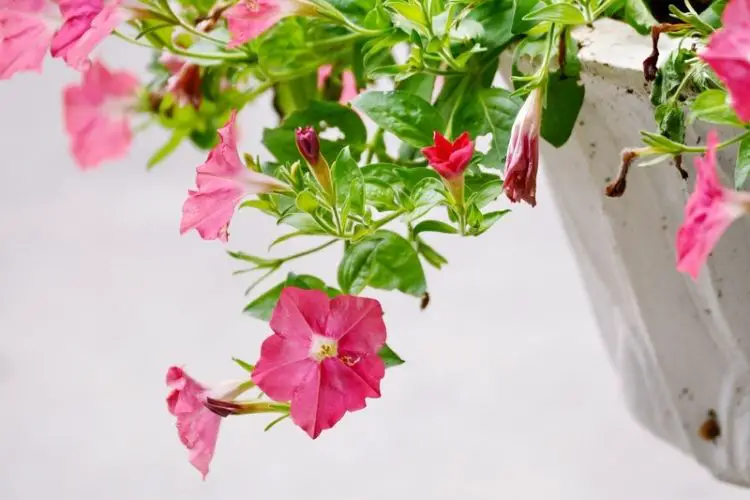
When it comes to caring for your flowering plants, it’s essential to understand their basic needs and requirements. From choosing the right location to providing adequate water and nutrients, each step plays a crucial role in the plant’s overall health and growth. Knowing how to care for flowering plants involves a delicate balance of attention and care, much like tending to a beloved pet or nurturing a budding friendship. By following these tips and techniques, you can ensure that your flowering plants thrive and bloom beautifully for years to come.
Guide to Caring for Flowering Plants
| Plant Type | Watering Frequency | Sunlight Requirements | Soil Type | Pruning Needs | Pest Control |
|---|---|---|---|---|---|
| Roses | Regularly, but avoid overwatering | Full sun | Well-draining soil | Deadheading spent blooms | Check for aphids and caterpillars |
| Lilies | Keep soil consistently moist | Partial shade | Rich, loamy soil | Remove spent flowers and foliage | Watch for red lily beetles |
| Orchids | Sparingly, with well-draining mix | Indirect sunlight | Specialized orchid mix | Prune after flowers fade | Monitor for spider mites |
Choosing the Right Location for Flowering Plants
When it comes to caring for flowering plants, one of the most crucial factors to consider is the location. These delicate beauties need just the right amount of sunlight to thrive. Do your plants prefer full sun, partial shade, or full shade? Consider the specific needs of each plant and place them accordingly. Remember, what works for one may not work for another. By understanding the sunlight requirements of your flowering plants, you can ensure they receive the optimal conditions for growth and blooming.
Key takeaways:
1. Understand the sunlight needs of each flowering plant.
2. Choose locations that provide the appropriate amount of sunlight.
3. Consider factors like full sun, partial shade, or full shade when determining placement.
4. Tailor the location for each plant’s specific needs.
5. Optimal sunlight conditions are essential for healthy growth and blooming.
6. Regularly assess and adjust plant placement based on changing sunlight patterns.
Watering Techniques for Flowering Plants
When it comes to caring for your flowering plants, one of the most crucial aspects is proper watering. It’s like giving them a refreshing drink on a hot summer day – they thrive when hydrated! But here’s the catch: too much water can drown them, while too little can leave them thirsty. So, how do you strike the perfect balance? Well, it all comes down to consistency and observation. Water your plants when the top inch of soil feels dry to the touch, ensuring that the roots receive adequate moisture without becoming waterlogged. Remember, it’s all about finding that sweet spot for your floral friends to flourish.
Fertilizing Flowering Plants
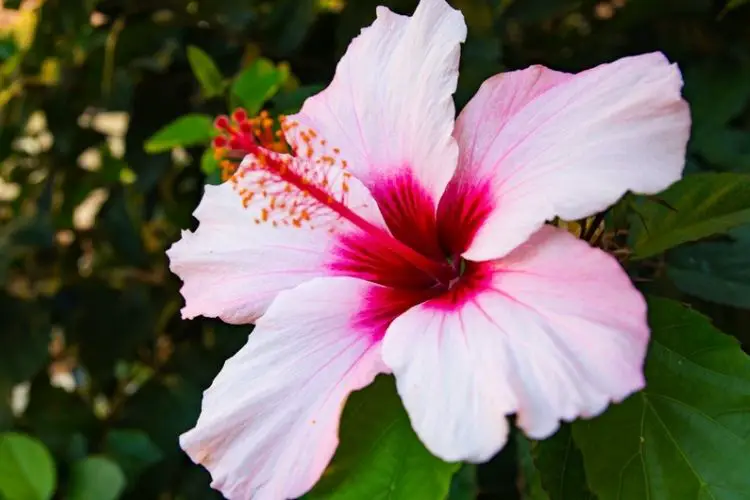
One crucial aspect of caring for your beautiful flowering plants is knowing when and how to fertilize them properly. Just like we need nutrients to thrive, so do our plants. Fertilizing provides essential nutrients that may be lacking in the soil, promoting healthy growth and vibrant blooms. When it comes to how to care for flowering plants, a balanced fertilizer with equal parts nitrogen, phosphorus, and potassium is usually recommended. Remember, over-fertilizing can do more harm than good, so be sure to follow the instructions on the package and fertilize your plants sparingly to avoid nutrient buildup.
Pruning and Deadheading Tips
Caring for your flowering plants involves more than just watering and fertilizing. Pruning and deadheading are essential tasks to ensure your plants stay healthy and vibrant. When it comes to pruning, remember to remove any dead or diseased branches to promote new growth. Deadheading, on the other hand, involves removing spent flowers to encourage continuous blooming throughout the season. By regularly pruning and deadheading your flowering plants, you not only improve their overall appearance but also stimulate new growth and prevent the spread of diseases. So, grab your pruning shears and get ready to give your plants some much-needed TLC!
Pest and Disease Control for Flowering Plants
Dealing with pests and diseases can be a real headache for plant lovers, but fear not! There are plenty of natural solutions to keep your flowering plants healthy and thriving. One effective method is to regularly inspect your plants for any signs of trouble, such as discolored leaves or unusual spots. If you do spot a problem, don’t panic! You can try using natural remedies like neem oil or insecticidal soap to combat pests without harming your precious blooms. Remember, prevention is key, so maintaining good plant hygiene and proper watering practices can go a long way in keeping your flowering plants disease-free.
Read also about: Discover the Secrets to Growing Beautiful and Healthy Avocado Trees!
Overwintering Flowering Plants
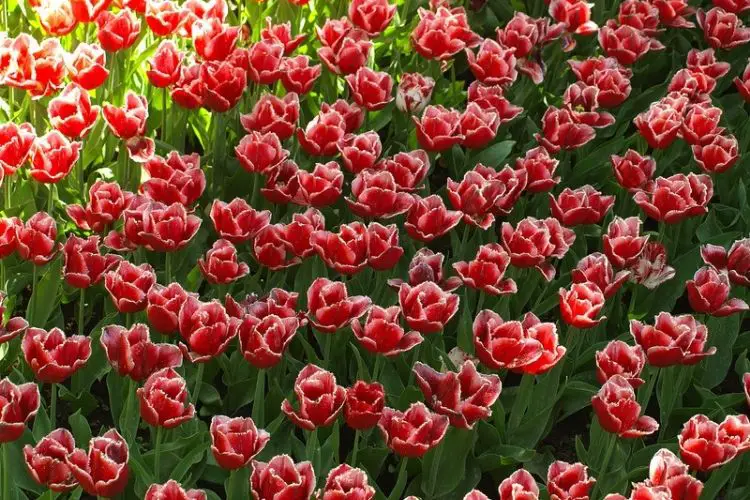
As the seasons change and winter approaches, it’s crucial to prepare your beloved flowering plants for the colder months ahead. One essential tip for overwintering is to bring your potted plants indoors to protect them from frost and harsh weather conditions. You can also cover outdoor plants with a layer of mulch to insulate the roots and keep them warm. Additionally, be mindful of watering frequency, as plants tend to require less water during the dormant winter period. By taking these simple steps, you can ensure that your flowering plants survive the winter and bloom beautifully in the spring.
Frequently Asked Questions
How often should I water my flowering plants?
Watering frequency can vary depending on the type of flowering plant you have. A good rule of thumb is to check the soil moisture regularly by sticking your finger about an inch deep into the soil. If it feels dry, it’s time to water your plant. Overwatering can be just as harmful as underwatering, so pay attention to your plant’s specific needs.
Should I fertilize my flowering plants?
Fertilizing your flowering plants can help them thrive and produce beautiful blooms. Use a balanced, water-soluble fertilizer specifically formulated for flowering plants. Follow the instructions on the fertilizer package and avoid over-fertilizing, as this can damage your plants.
How much sunlight do flowering plants need?
Most flowering plants thrive in bright, indirect sunlight. However, it’s essential to research the specific light requirements of your plant to ensure it receives the optimal amount of sunlight. Some plants may prefer full sun, while others may do better in partial shade.
Do flowering plants need to be repotted often?
Flowering plants generally need to be repotted every 1-2 years to provide fresh soil and room for growth. Signs that your plant may need repotting include roots growing out of the drainage holes, stunted growth, and water running through the pot too quickly.
How can I encourage my flowering plants to bloom more?
To encourage your flowering plants to bloom more, ensure they are receiving adequate sunlight, water, and nutrients. Deadhead spent blooms regularly to promote new growth and consider providing your plants with a blooming plant fertilizer to boost flower production.
What should I do if my flowering plant is not flowering?
If your flowering plant is not blooming, it may be due to insufficient sunlight, nutrients, or water. Check the plant’s care requirements and make adjustments as needed. Additionally, ensure your plant is not stressed by extreme temperatures or pests, as these factors can also impact flowering.
How can I protect my flowering plants from pests and diseases?
To protect your flowering plants from pests and diseases, inspect them regularly for signs of infestation or illness. Remove any affected leaves or flowers and consider using organic pest control methods if necessary. Proper watering and fertilizing can also help strengthen your plants’ natural defenses.
Conclusion
Caring for flowering plants can be a rewarding experience that brings beauty and joy to your home. By understanding your plant’s specific needs and providing them with the proper care, you can help them thrive and bloom abundantly. Remember to regularly check on your plants, listen to their cues, and enjoy the process of nurturing these living beings.