
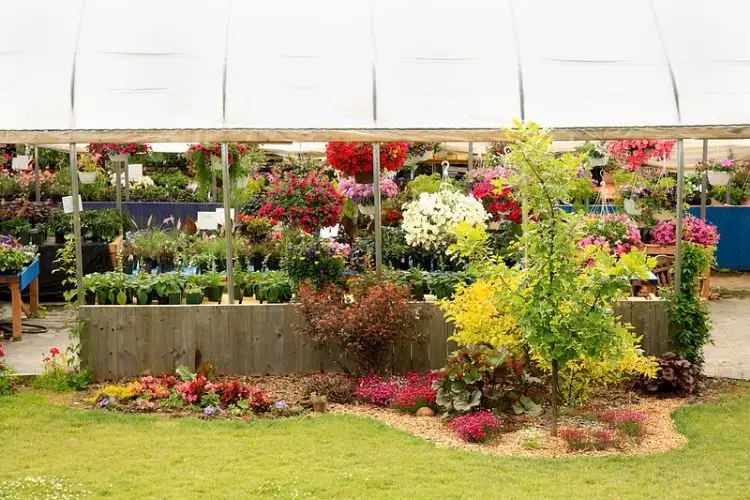
Growing perennials vs annuals can be a tough decision for any gardener. Each type of plant has its own unique characteristics and benefits. Perennials, for example, are plants that come back year after year, providing a sense of consistency and longevity to your garden. On the other hand, annuals are plants that only last for one growing season but often produce vibrant blooms and colors that can instantly liven up your outdoor space. Understanding the differences between these two types of plants is crucial in determining which option is best for your garden.
Growing Perennials vs Annuals Comparison
| Aspect | Perennials | Annuals |
|---|---|---|
| Life Cycle | Live for multiple years | Complete life cycle in one year |
| Maintenance | Require less maintenance once established | Need consistent care throughout the growing season |
| Blooming | Bloom at specific times of the year | Continuous blooming throughout the season |
Understanding Perennials
Perennials are the backbone of any garden, offering long-lasting beauty and structure year after year. These plants have deep root systems that allow them to survive and thrive for multiple growing seasons. With perennials, you can expect a variety of colors, textures, and heights to create a dynamic and ever-changing landscape. Unlike annuals, perennials require less maintenance as they do not need to be replanted each year. They also tend to be more resilient to pests and diseases due to their established root systems. Overall, growing perennials can bring a sense of continuity and stability to your garden that is truly rewarding.
Key takeaways:
1. Perennials offer long-lasting beauty and structure in your garden.
2. They have deep root systems that allow them to survive for multiple growing seasons.
3. Perennials provide a variety of colors, textures, and heights for a dynamic landscape.
4. They require less maintenance compared to annuals.
5. Perennials are more resilient to pests and diseases due to their established root systems.
6. Growing perennials can bring a sense of continuity and stability to your garden.
Understanding Perennials and Annuals
When it comes to gardening, understanding the difference between perennials and annuals can make all the difference in your garden’s success. Perennials are plants that come back year after year, while annuals need to be replanted each season. Perennials tend to have deeper root systems and are more resilient to harsh weather conditions, making them a low-maintenance option for many gardeners. On the other hand, annuals offer a burst of color and can be easily changed out each year to keep your garden looking fresh and vibrant. By knowing the unique characteristics of perennials and annuals, you can make an informed decision on which option best suits your gardening needs.
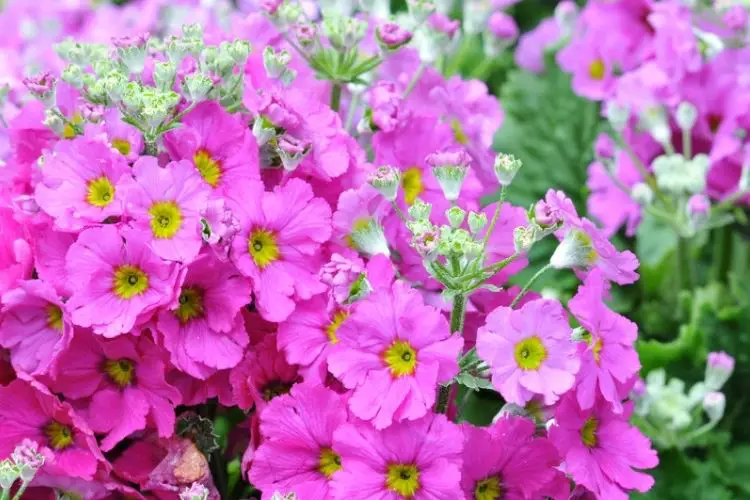
Pros and Cons of Growing Perennials
When it comes to deciding between growing perennials and annuals in your garden, there are a few key factors to consider. Perennials are the gift that keeps on giving, coming back year after year without the need to replant. This can save you time and effort in the long run, as well as money on buying new plants each season. Additionally, perennials tend to have deeper root systems, making them more drought-tolerant and requiring less frequent watering. On the downside, perennials may have a shorter blooming period compared to annuals, and they can take longer to establish themselves in the garden.
Pros and Cons of Growing Perennials vs. Annuals
When it comes to deciding between growing perennials and annuals in your garden, there are several factors to consider. Perennials, with their ability to return year after year, offer a sense of consistency and longevity. They often require less maintenance and can withstand harsher weather conditions. On the other hand, annuals provide a burst of color and variety each year, allowing for more frequent changes in your garden design. However, they do require replanting each season and may be more demanding in terms of care and upkeep. Ultimately, the choice between perennials and annuals will depend on your personal preferences, gardening goals, and available time and resources.
Factors to Consider When Choosing Between Perennials and Annuals
When deciding between growing perennials vs annuals in your garden, there are several key factors to take into consideration. First and foremost, think about the amount of time and effort you are willing to dedicate to your plants. Perennials typically require less maintenance once established, while annuals may need more frequent care throughout the growing season. Additionally, consider the climate in your area and the specific needs of each type of plant. Some perennials are better suited for colder climates, while annuals thrive in warmer weather. Lastly, think about your aesthetic preferences and long-term goals for your garden. Are you looking for a low-maintenance green space or a vibrant display of colorful blooms? By carefully evaluating these factors, you can make an informed decision that will lead to a successful and satisfying gardening experience.
Read also about: Tips for Growing Beautiful Avocado Trees
Tips for Successfully Growing Perennials and Annuals
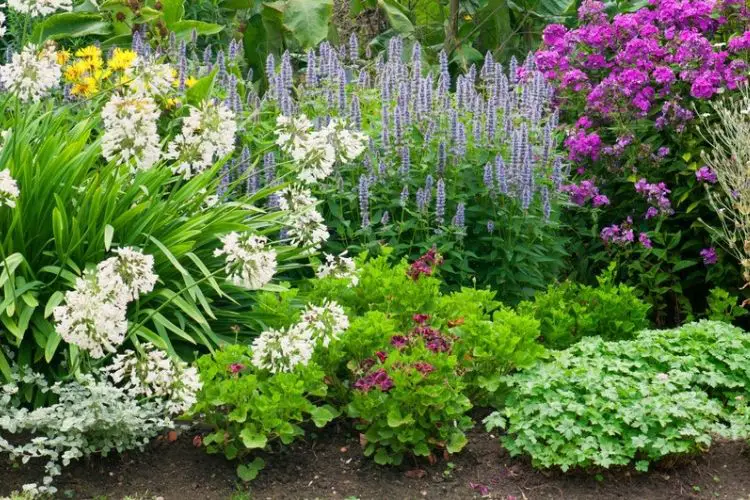
When it comes to cultivating a beautiful garden filled with vibrant blooms, understanding the unique needs of perennials and annuals is key. For perennials, ensuring proper soil drainage and sunlight exposure is crucial for their long-term success. On the other hand, annuals thrive in rich, well-drained soil but require regular deadheading to promote continuous flowering. To make the most of both types of plants, consider planting a mix of perennials and annuals to enjoy a variety of colors and textures throughout the seasons. Remember to water consistently and fertilize as needed to keep your garden flourishing all year round.
Frequently Asked Questions
What are the benefits of growing perennials over annuals?
Perennials are a great choice for those looking for long-lasting beauty in their garden. Unlike annuals, which need to be replanted every year, perennials come back year after year, saving you time and money in the long run. Plus, perennials often require less maintenance, as they have established root systems that make them more resilient to drought and pests.
Which plants are considered perennials?
Perennials come in all shapes and sizes, from delicate flowers like roses and peonies to hardy shrubs like lavender and hostas. No matter your garden style or climate, there’s a perennial plant out there for you. Do some research to find the perfect perennials for your garden based on your specific needs and preferences.
Are annuals completely off the table?
Not at all! Annuals can add a pop of color and variety to your garden that perennials sometimes can’t provide. Consider mixing annuals with perennials to create a dynamic and ever-changing landscape. Annuals are perfect for filling in gaps between perennials or adding seasonal interest throughout the year.
Do perennials require more care than annuals?
While perennials may require less frequent replanting than annuals, they still need some care to thrive. Regular watering, fertilizing, and pruning are essential to keep your perennials healthy and blooming. However, once established, perennials generally require less maintenance than annuals, making them a great choice for busy gardeners.
Can perennials survive in all climates?
Perennials are incredibly diverse and adaptable, making them suitable for a wide range of climates. From the cold winters of the north to the sweltering summers of the south, there are perennials that can thrive in almost any conditions. Research the specific climate requirements of your chosen perennials to ensure they will flourish in your garden.
How can I create a balanced garden with both perennials and annuals?
To create a harmonious garden that combines the best of both perennials and annuals, consider planting perennials as the backbone of your landscape design. Then, fill in the gaps with colorful annuals to add seasonal interest and variety. This way, you’ll have a garden that offers year-round beauty without the hassle of replanting everything each year.
What are some popular perennial options for beginners?
For beginners looking to dip their toes into the world of perennials, some easy-to-grow options include daylilies, black-eyed Susans, and coneflowers. These plants are hardy, low-maintenance, and forgiving of rookie mistakes, making them perfect for novice gardeners. Start with a few of these popular perennials, and soon you’ll be hooked on their long-lasting beauty.
Conclusion
Whether you choose to grow perennials, annuals, or a mix of both, gardening is a rewarding and fulfilling hobby that allows you to connect with nature and create a beautiful outdoor space. Experiment with different plants, enjoy the process of nurturing your garden, and don’t be afraid to make mistakes along the way. Happy gardening!
Also Read: The Ultimate Guide to Growing Lavender