Learn the art of cultivating vibrant and flavorful red peppers with this comprehensive guide! Whether you’re a novice home gardener or an experienced enthusiast, this informative article will equip you with the essential knowledge and skills needed to successfully grow your own delicious red peppers. From planting to harvesting, and everything in between, this guide will help you nurture a thriving pepper garden right in your backyard.
Understanding Red Peppers

Red peppers, also known as bell peppers, are vibrant and flavorful vegetables that belong to the Capsicum annuum species. They are a popular choice for home gardeners due to their versatility in the kitchen and their relatively easy cultivation process. Red peppers come in various shapes and sizes, and they can be enjoyed raw in salads, stuffed with delicious fillings, or cooked in a wide range of dishes.
Varieties of Red Peppers
There are several varieties of red peppers, each with its own unique characteristics. Some popular bell pepper varieties include the traditional blocky bell pepper, the sweet chocolate bell pepper, the mini bell pepper, and the lunchbox pepper. These varieties come in different colors, including green, yellow, orange, and, of course, red.
Benefits of Growing Red Peppers at Home
Growing red peppers at home offers numerous benefits. Firstly, it allows you to have a fresh and organic supply of bell peppers right in your backyard. This means you can avoid the pesticides and chemicals often found in store-bought produce. Additionally, cultivating red peppers can be a rewarding and therapeutic experience, providing a sense of accomplishment as you watch your plants thrive and produce vibrant, flavorful peppers.
Planning Your Red Pepper Garden
Choosing the Right Location
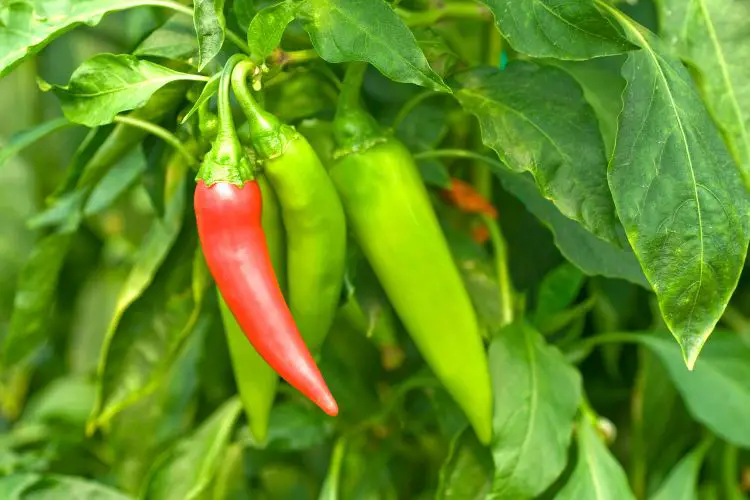
When planning your red pepper garden, it’s essential to select a location that receives plenty of sunlight. Red pepper plants thrive in full sun, so choose a spot in your garden that gets at least 6-8 hours of direct sunlight per day.
Preparing the Soil for Red Peppers
Red peppers prefer well-draining soil with a slightly acidic to neutral pH level. Before planting, prepare the soil by incorporating organic matter such as compost or well-rotted manure to improve its fertility and texture.
Selecting the Best Red Pepper Seeds or Seedlings
Whether you choose to start from seeds or buy pepper plants from a nursery, it’s crucial to select healthy and disease-free plants. Look for sturdy seedlings with deep green leaves and no signs of pests or diseases.
Planting Red Pepper Seeds or Seedlings
When to Plant Red Pepper Seeds or Seedlings
Red pepper seeds or seedlings should be planted after the last frost date in your area. They thrive in warm soil, so it’s best to wait until the soil temperature reaches at least 70°F (21°C) before planting.
Proper Planting Depth and Spacing
If planting seeds, sow them approximately ¼ inch deep in the soil, and space them 18-24 inches apart. For seedlings, dig a hole slightly larger than the root ball and plant them at the same depth as they were in their original container.
Caring for Red Pepper Plants During the Early Growth Stage
During the early growth stage, it’s crucial to keep the soil consistently moist but not waterlogged. Mulching around the plants can help retain soil moisture and suppress weed growth.
Caring for Red Pepper Plants
Watering Red Pepper Plants
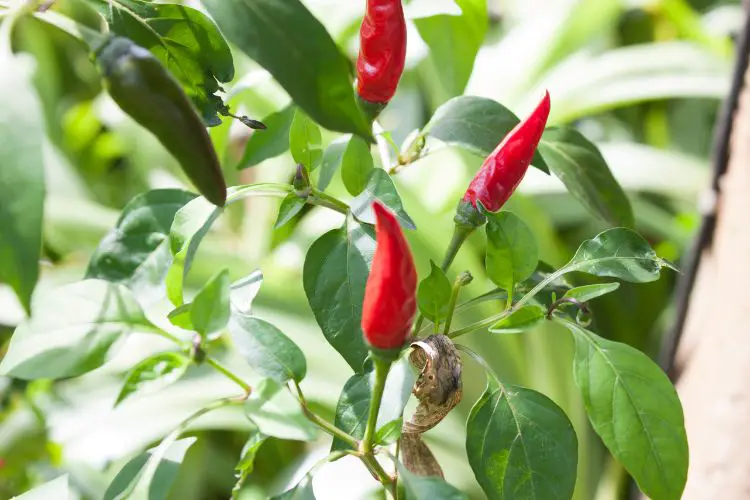
Once established, red pepper plants should be watered deeply once a week, or more frequently during hot, dry periods. It’s essential to water the base of the plants to keep the foliage dry and prevent diseases.
Fertilizing Red Pepper Plants
Fertilize red pepper plants with a balanced fertilizer when they begin to set fruit. Avoid high-nitrogen fertilizers, as they can promote excessive foliage growth at the expense of fruit production.
Managing Pests and Diseases in Red Pepper Plants
Keep an eye out for common pests such as aphids, spider mites, and the brown marmorated stink bug, and promptly address any infestations. Additionally, monitor for diseases like blossom end rot and early blight, and take preventive measures such as proper spacing and adequate air circulation to minimize their occurrence.
Supporting Red Pepper Plants
Staking or Caging Red Pepper Plants
As red pepper plants grow, they may become heavy with fruit and require support to prevent the stems from breaking. Use stakes or cages to provide structural support and keep the plants upright.
Pruning Red Pepper Plants
Pruning can help improve air circulation and sunlight penetration, leading to healthier plants and better fruit production. Remove any suckers or non-fruiting branches to direct the plant’s energy towards fruit development.
Ensuring Proper Air Circulation for Red Pepper Plants
Good air circulation is essential for preventing fungal diseases in red pepper plants. Avoid overcrowding and provide adequate spacing between plants to allow for proper airflow.
Harvesting Red Peppers
Determining the Right Time to Harvest Red Peppers
Red peppers can be harvested when they reach full size and have developed their characteristic red color. However, they can also be picked at earlier stages when they are green, yellow, or orange, depending on your preference.
How to Harvest Red Peppers Without Damaging the Plant
Use a sharp pair of garden shears or a knife to cut the peppers from the plant, leaving a short stem attached. Avoid pulling or twisting the peppers, as this can damage the plant.
Storing and Preserving Harvested Red Peppers
Freshly harvested red peppers can be stored in the refrigerator for up to two weeks. They can also be preserved by freezing, drying, or pickling for long-term use.
Troubleshooting Common Issues
Dealing with Yellowing Leaves
Yellowing leaves can be a sign of nutrient deficiency, overwatering, or pests. Address the underlying cause by adjusting your watering schedule, fertilizing as needed, and addressing any pest infestations.
Addressing Blossom End Rot in Red Peppers
Blossom end rot is a common issue caused by calcium deficiency or irregular watering. Maintain consistent soil moisture and consider adding calcium to the soil through amendments or foliar sprays.
Managing Overripe or Underripe Red Peppers
Overripe red peppers can be used for seed saving or allowed to fully ripen for sweeter flavors. Underripe peppers can be harvested and used in recipes that call for green or yellow peppers.
Enjoying Your Homegrown Red Peppers
Cooking with Fresh Red Peppers
Fresh red peppers are a versatile ingredient in the kitchen and can be used in salads, stir-fries, soups, and many other dishes. Their sweet and slightly tangy flavor adds a delightful touch to various recipes.
Preserving Red Peppers for Later Use
If you have an abundant harvest, consider preserving red peppers by pickling, canning, or drying them. These methods allow you to enjoy your homegrown peppers throughout the year.
Sharing Your Red Pepper Harvest with Friends and Family
Share the fruits of your labor with friends and family by giving them freshly harvested red peppers. You can also swap recipes and cooking tips to make the most of your homegrown produce.
By following this comprehensive guide, you can cultivate vibrant and flavorful red peppers right in your backyard, whether in the ground or in containers. With the right care and attention, you’ll be rewarded with a bountiful harvest of delicious peppers to enjoy in your favorite dishes.