
Learn how to grow pumpkins successfully with this comprehensive step-by-step guide! Perfect for home gardeners, this informative article provides practical tips and expert advice to help you cultivate healthy and vibrant pumpkins in your own garden or farm. From selecting the right variety to nurturing your plants, this guide has everything you need to know for a bountiful pumpkin harvest.
Selecting the Right Pumpkin Variety
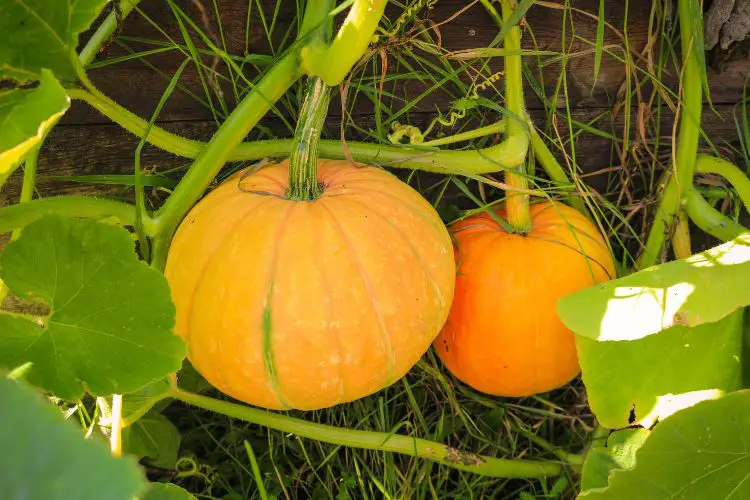
When it comes to growing pumpkins, selecting the right variety is crucial for a successful harvest. There are numerous pumpkin varieties to choose from, each with its own unique characteristics and growing requirements. Whether you’re looking to grow pumpkins for carving, cooking, or decorative purposes, it’s essential to understand the different pumpkin varieties available.
Factors to consider when choosing a variety include the climate in your region, the available space in your garden or pumpkin patch, and your intended use for the pumpkins. Some varieties are better suited for cooler climates, while others thrive in warmer temperatures. Additionally, certain varieties may be more compact and suitable for small gardens, while others require ample space to spread and grow.
Some of the best pumpkin varieties for different climates include the Connecticut Field, which is well-suited for cooler regions, and the Cinderella or Rouge Vif d’Etampes varieties, which thrive in warmer climates. It’s important to research and select a variety that aligns with your specific growing conditions to ensure a successful harvest.
Preparing the Soil for Pumpkin Cultivation
Pumpkins thrive in well-draining, nutrient-rich soil. Before planting your pumpkin seeds or seedlings, it’s essential to prepare the soil to provide the best growing environment for your plants. Start by testing the soil to assess its pH level and nutrient content. Based on the results, you may need to amend the soil by adding organic matter or adjusting the pH to create the optimal growing conditions for your pumpkin plants.
Creating mounds or hills for planting can also help improve soil drainage and provide a warmer environment for the pumpkin seeds to germinate. These mounds or hills should be spaced several feet apart to allow ample room for the pumpkin plants to spread as they grow.
Planting Pumpkin Seeds or Seedlings
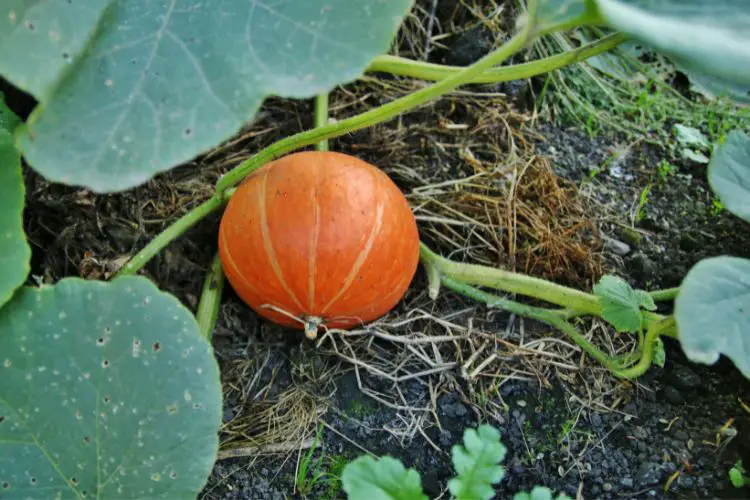
When it comes to planting pumpkin seeds or seedlings, there are a few key considerations to keep in mind. You can choose to plant seeds directly in the soil or start seedlings indoors and transplant them once the danger of frost has passed. If you opt for planting seeds directly, ensure that the soil temperature has reached at least 60°F for optimal germination.
Proper spacing and depth are crucial when planting pumpkin seeds or seedlings. Seeds should be planted about 1 inch deep and spaced 2-3 feet apart to allow for ample room for the plants to grow. If transplanting seedlings, be gentle to avoid damaging the delicate roots.
Caring for newly planted seeds or seedlings involves providing consistent moisture, especially during the germination and early growth stages. Mulching around the plants can help retain soil moisture and suppress weed growth.
Nurturing and Maintaining Pumpkin Plants
Once your pumpkin plants are established, it’s important to focus on nurturing and maintaining them throughout the growing season. Pumpkins have high water requirements, especially during hot and dry periods. Regular watering, either through irrigation or manual watering, is essential to support healthy plant growth and fruit development.
Fertilizing pumpkin plants with a balanced, organic fertilizer can help provide the necessary nutrients for robust growth and fruit production. Additionally, controlling pests and diseases organically is crucial to ensure the health and vitality of your pumpkin plants. Beneficial insects, such as ladybugs and lacewings, can help control pest populations, while organic fungicides can be used to manage fungal diseases.
Harvesting and Storing Pumpkins
As the growing season progresses, it’s important to monitor your pumpkin plants for signs that the pumpkins are ready for harvest. Ripe pumpkins will have a deep, consistent color and hard rind. When harvesting, use sharp pruning shears to cut the pumpkins from the vine, leaving a few inches of stem attached.
Proper storage of harvested pumpkins is essential to prolong their shelf life. Store pumpkins in a cool, dry place with good air circulation to prevent mold and decay. With proper storage, pumpkins can be enjoyed for several months after harvest.
Troubleshooting Common Pumpkin Growing Issues
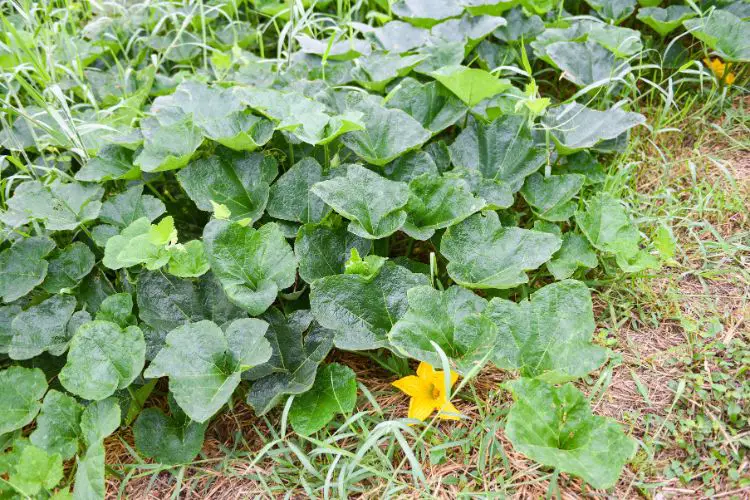
Despite your best efforts, you may encounter common pumpkin growing issues such as vine borers, poor pollination, and fungal diseases. To address vine borers and other pests, consider using row covers to protect young plants or handpicking and destroying pests when identified. To improve pollination, consider hand-pollinating female flowers using a small brush or cotton swab. Managing fungal diseases can be achieved through proper spacing of plants, adequate air circulation, and the use of organic fungicides when necessary.
By following these steps and guidelines, you can successfully grow pumpkins in your backyard pumpkin patch or garden. With the right variety selection, soil preparation, planting techniques, and ongoing care, you’ll be rewarded with a bountiful harvest of vibrant and healthy pumpkins.
Remember, growing pumpkins takes time, patience, and dedication, but the rewards of seeing your own pumpkins thrive and flourish are well worth the effort. Happy pumpkin growing!