
Discover the secrets to successfully growing pinto beans at home with our comprehensive guide. Learn expert tips on planting, caring for, and harvesting these nutrient-rich legumes to enjoy fresh, homegrown beans year-round.
Introduction to Pinto Beans
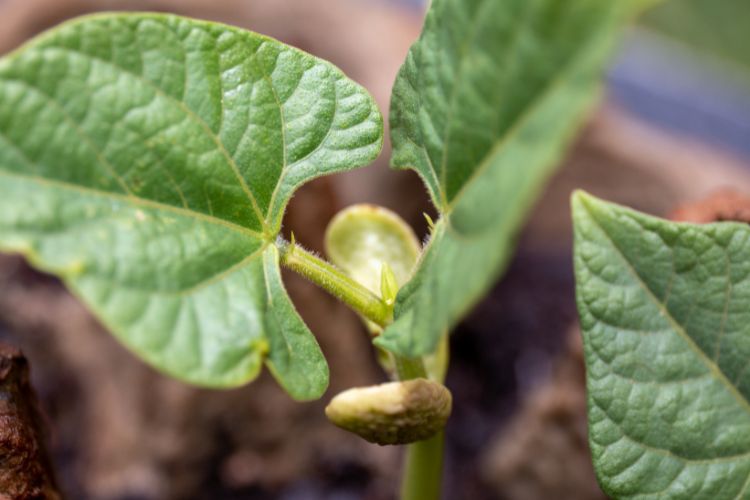
Pinto beans, also known as “painted beans” due to their mottled skin, are a popular variety of common bean (Phaseolus vulgaris). They are a staple in many cuisines, especially in Latin American and Southwestern dishes. Pinto beans are a great source of plant-based protein, fiber, and various essential nutrients, making them a valuable addition to any diet.
Nutritional benefits of pinto beans
Pinto beans are packed with essential nutrients, including protein, fiber, folate, manganese, and iron. They are also low in fat and cholesterol, making them a heart-healthy food choice. Additionally, pinto beans are an excellent source of complex carbohydrates, which provide a steady release of energy and help maintain stable blood sugar levels.
Why grow pinto beans at home?
Growing pinto beans at home offers several advantages. Firstly, it allows you to have a fresh supply of nutrient-rich beans right in your backyard. This means you can enjoy the superior taste and nutritional benefits of freshly harvested pinto beans. Additionally, cultivating pinto beans at home gives you control over the growing conditions, ensuring that no harmful chemicals or pesticides are used in the process.
Selecting the Right Location for Growing Pinto Beans
Climate requirements for pinto beans
Pinto beans thrive in warm temperatures and require a frost-free growing season of about 90-150 days. They are sensitive to cold temperatures, so it’s essential to plant them after the last frost date in your area. The ideal temperature range for pinto beans is between 70°F and 80°F.
Soil conditions for optimal growth
Pinto beans prefer well-drained, loamy soil with a slightly acidic to neutral pH level (pH 6.0-7.0). The soil should be rich in organic matter and have good fertility. It’s important to avoid waterlogged or compacted soil, as it can lead to poor root development and overall plant health.
Sunlight and water needs for pinto beans
Pinto beans thrive in full sunlight, so it’s crucial to choose a planting location that receives at least 6-8 hours of direct sunlight per day. When it comes to water requirements, pinto beans need consistent moisture, especially during flowering and pod development. However, they are susceptible to root rot in waterlogged conditions, so well-drained soil is essential.
Planting Pinto Beans
Choosing the right time for planting
Pinto beans should be planted after the last frost date in your area when the soil temperature has reached at least 60°F. Planting too early in cold soil can lead to poor germination and seedling growth. In warmer climates, pinto beans can be planted in early spring for a summer harvest.
Spacing and depth for planting pinto beans

When planting pinto beans, space the seeds about 2-4 inches apart in rows that are 18-36 inches apart. The seeds should be planted at a depth of 1-1.5 inches. It’s important to ensure adequate spacing between the plants to promote good air circulation and reduce the risk of diseases.
Tips for germinating pinto bean seeds
To improve germination rates, soak the pinto bean seeds in water overnight before planting. This softens the seed coat and promotes quicker germination. Plant the seeds with the “eye” (the point where the sprout emerges) facing downward for better results.
Caring for Pinto Beans
Watering pinto beans
Pinto beans require regular watering, especially during flowering and pod development. It’s important to keep the soil consistently moist but not waterlogged. Mulching around the plants can help retain soil moisture and reduce the frequency of watering.
Fertilizing pinto beans
Before planting, incorporate a balanced fertilizer into the soil to provide essential nutrients for the pinto bean plants. Additionally, side-dress the plants with a nitrogen-rich fertilizer when they start flowering to support healthy growth and pod development.
Controlling pests and diseases
Pinto beans are susceptible to pests such as bean leaf beetles and diseases like bean common mosaic virus. To prevent infestations and infections, practice crop rotation, remove plant debris, and monitor the plants regularly for any signs of pests or diseases. In some cases, organic insecticidal soaps or neem oil can be used to control pests.
Harvesting and Storing Pinto Beans
Signs that pinto beans are ready for harvest
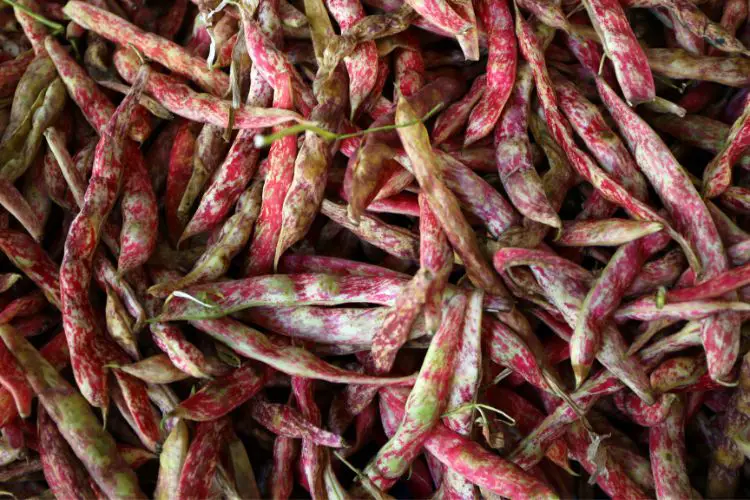
Pinto beans are typically ready for harvest 90-100 days after planting. The pods should be fully mature, firm, and dry. The beans inside the pods will be hard and have a distinct color pattern, with the characteristic mottled appearance of pinto beans.
Proper techniques for harvesting pinto beans
To harvest pinto beans, wait until the plants and pods are completely dry. Then, carefully pull the entire plant from the ground and hang it upside down in a warm, dry location to finish drying. Once the pods are fully dry, remove the beans from the pods and store them in a clean, airtight container.
Storing and preserving harvested pinto beans
To maintain the quality of harvested pinto beans, store them in a cool, dry place in an airtight container. Properly stored, pinto beans can last for up to a year. It’s important to protect them from moisture, pests, and direct sunlight to prevent spoilage.
Cooking and Enjoying Homegrown Pinto Beans
Delicious recipes using homegrown pinto beans
Homegrown pinto beans can be used in a variety of delicious recipes, including soups, stews, salads, and side dishes. They are a versatile ingredient that adds a rich, earthy flavor and creamy texture to any dish. Try making classic dishes like pinto bean soup, refried beans, or bean salads with fresh, homegrown pinto beans.
Nutritional benefits of consuming homegrown pinto beans
Consuming homegrown pinto beans provides a range of nutritional benefits, including high-quality protein, dietary fiber, and essential vitamins and minerals. They are a healthy, low-fat source of plant-based protein that can support muscle growth, aid in weight management, and contribute to overall well-being.
Tips for incorporating pinto beans into your diet
To enjoy the nutritional benefits of pinto beans, incorporate them into your diet in various ways. Add them to tacos, burritos, or enchiladas for a hearty and nutritious filling. You can also blend cooked pinto beans into dips and spreads or use them as a meat substitute in vegetarian dishes. Experiment with different seasoning combinations like salt, pepper, and garlic powder to enhance the flavor of homegrown pinto beans.
In conclusion, growing pinto beans at home is a rewarding experience that allows you to enjoy the nutritional benefits and superior taste of fresh, homegrown beans. By following the expert tips on planting, caring for, and harvesting pinto beans, you can cultivate nutrient-rich legumes to enjoy year-round. Whether you’re a seasoned gardener or new to growing your own food, pinto beans are an excellent addition to any home garden.