
Meta Description: Learn how to grow corn at home with our step-by-step guide. Find expert tips on planting, caring for, and harvesting corn to enjoy fresh, sweet, and tasty ears right from your garden.
Introduction to Growing Corn
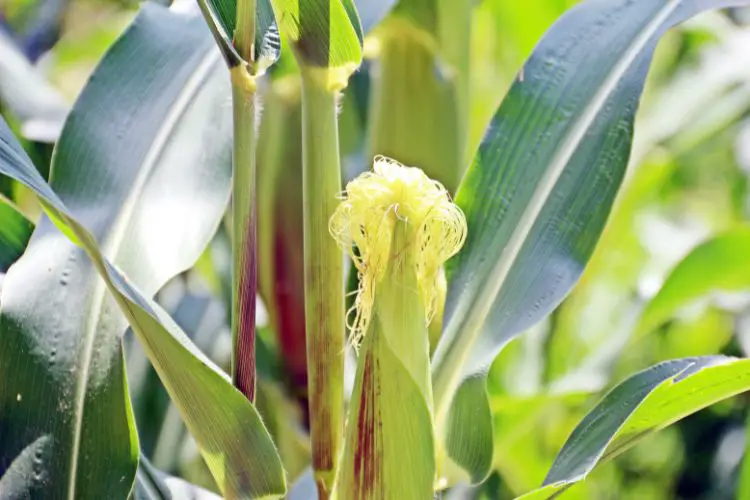
Growing corn at home can be a rewarding experience, allowing you to enjoy fresh, sweet, and tasty ears right from your garden. Not only does it provide you with a delicious addition to your meals, but it also offers several benefits, including the satisfaction of growing your own food, the opportunity to save money on grocery bills, and the chance to support sustainable and organic farming practices.
The corn cultivation process involves several key steps, from choosing the right corn varieties and preparing the soil for planting to caring for the corn plants and ultimately harvesting the corn. By following a step-by-step approach and incorporating expert tips, you can successfully grow corn in your own backyard.
Choosing the Right Corn Varieties
Before you start planting corn, it’s important to understand the different types of corn available. There are various varieties, including sweet corn, popcorn, and ornamental corn, each with its own unique characteristics and uses. When selecting corn varieties for your home garden, consider factors such as the climate in your area, the available space for cultivation, and your personal preferences for taste and texture.
For those looking to enjoy fresh, sweet corn, “Amaize Sweet Corn” is a popular choice known for its exceptional flavor and tenderness. Additionally, “African Evergreen” and “Common Ground Country Fair” are other sweet corn varieties that are well-suited for home cultivation.
Preparing the Soil for Planting
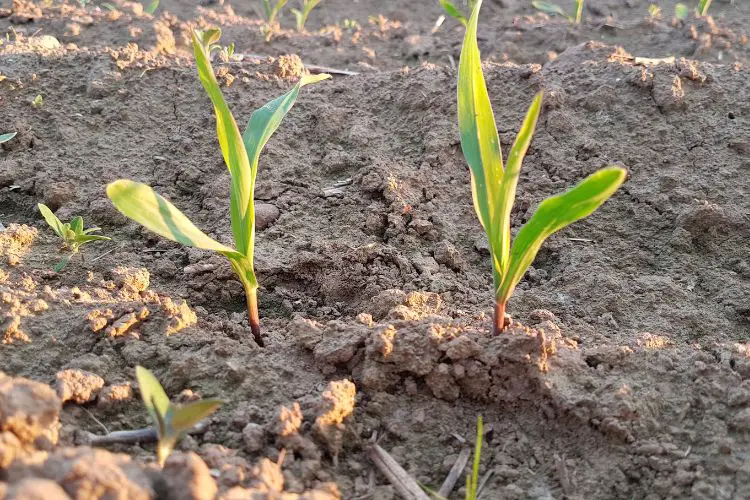
Corn plants thrive in well-drained, fertile soil with a slightly acidic to neutral pH level. Before planting corn seeds, it’s essential to prepare the soil to provide the best growing conditions for the plants. Start by testing the soil to assess its nutrient levels and pH, and then make any necessary amendments to improve its quality.
In general, corn requires soil with good organic matter content and adequate levels of nitrogen, phosphorus, and potassium. Incorporating organic compost or well-rotted manure into the soil can help enhance its fertility and structure, providing a favorable environment for the corn plants to grow.
Planting Corn Seeds
The best time to plant corn seeds is during the spring, once the soil has warmed up and the threat of frost has passed. When planting the seeds, ensure proper spacing of about 9-12 inches between each seed and a depth of 1-2 inches. This spacing allows the corn plants to receive sufficient sunlight and nutrients, promoting healthy growth and development.
To ensure successful germination, it’s important to keep the soil consistently moist but not waterlogged. Additionally, applying a balanced fertilizer when planting and side-dressing the plants as they grow can help provide the necessary nutrients for robust corn plant growth.
Caring for Corn Plants
Corn plants require regular watering, especially during dry periods, to support their growth and development. Additionally, applying a balanced fertilizer when planting and side-dressing the plants as they grow can help provide the necessary nutrients for robust corn plant growth.
In addition to watering and fertilizing, it’s important to monitor the corn plants for any signs of pests or diseases. Common pests that may affect corn include corn earworms, cutworms, and armyworms, while diseases such as common rust and northern corn leaf blight can also pose challenges to corn cultivation. Implementing integrated pest management practices and choosing disease-resistant varieties can help mitigate these issues.
As the corn plants grow, they may require additional support to prevent them from falling over in strong winds. Using stakes or installing a battery-operated electric fence around the perimeter of the corn patch can help provide the necessary support and protection for the growing stalks.
Harvesting and Enjoying Fresh Corn
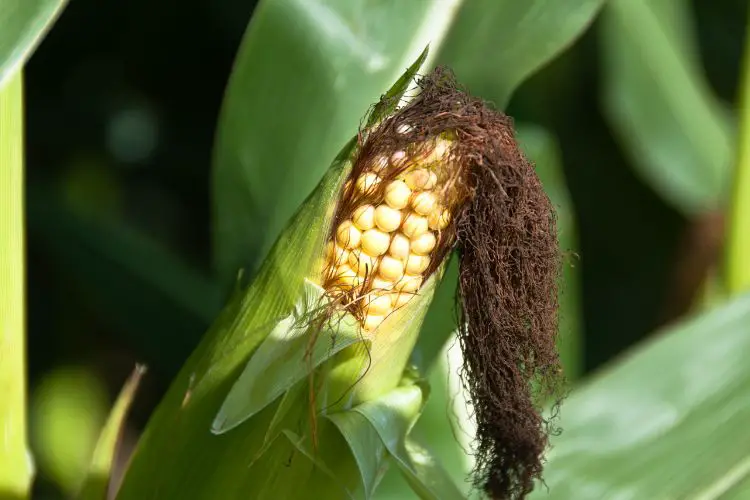
The signs that corn is ready for harvest include the appearance of brown and dry silks, kernels that exude a milky substance when punctured, and a firm and plump feel to the kernels. Once these indicators are present, it’s time to harvest the corn by gripping the ear firmly and twisting it away from the stalk.
To enjoy fresh, sweet corn from your garden, it’s best to consume it as soon as possible after harvesting to savor its peak flavor and sweetness. Boiling or grilling the corn shortly after picking can help preserve its natural taste and tenderness, providing a delightful culinary experience.
Troubleshooting Common Corn Growing Issues
In the process of growing corn, it’s common to encounter issues such as poor germination, stunted growth, or damage from pests and diseases. By identifying the underlying causes of these problems, such as improper soil preparation, inadequate watering, or pest infestations, you can take proactive measures to address them and prevent similar issues in future corn crops.
In conclusion, growing sweet and tasty corn at home is a gratifying endeavor that offers numerous rewards. By selecting the right corn varieties, preparing the soil effectively, planting the seeds at the optimal time, and providing proper care throughout the growing season, you can cultivate a bountiful harvest of fresh, flavorful corn right in your own backyard. With the right knowledge and techniques, you can enjoy the satisfaction of producing your own delicious corn while contributing to a sustainable and fulfilling gardening experience.