
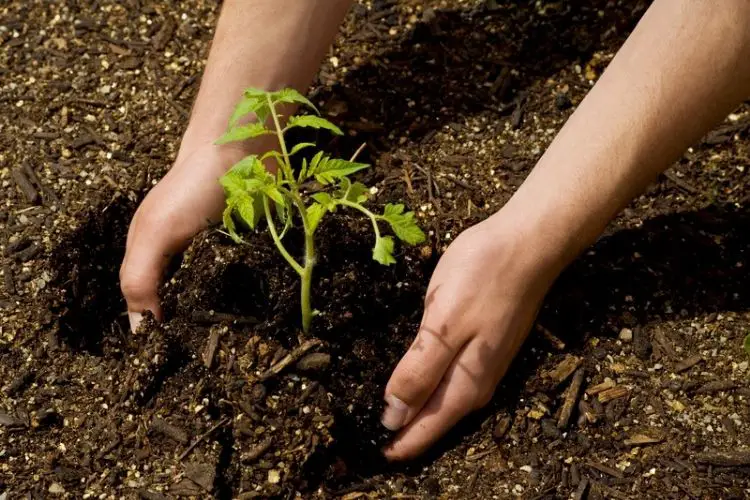
Gardening can be a rewarding and therapeutic hobby, especially for beginners looking to connect with nature and add a touch of green to their living spaces. One of the best ways to ease into this fulfilling pastime is by starting with easy plants to grow for beginners. These plants are low-maintenance and forgiving, perfect for those new to gardening. By selecting the right plants and following some simple care tips, you can create a thriving indoor or outdoor garden that brings beauty and joy to your life.
Easy Plants to Grow for Beginners
| Plant Name | Watering Frequency | Light Requirements | Soil Type | Growth Height | Special Care |
|---|---|---|---|---|---|
| Spider Plant | Weekly | Indirect sunlight | Well-draining | 12-24 inches | Trim brown tips |
| Pothos | Bi-weekly | Low to bright light | Well-draining | Up to 6 feet | Prune for bushier growth |
| Succulents | Every 2-3 weeks | Direct sunlight | Sandy or cactus mix | Varies | Avoid overwatering |
Selecting the Right Plants for Beginners
Choosing the perfect plants to kickstart your gardening journey is crucial. As a beginner, opt for low-maintenance and hardy plants that can withstand a few mistakes. Look for plants that thrive in your specific climate and sunlight conditions. Consider factors like water requirements and growth habits before making a selection. Start with easy-to-grow options like succulents, herbs, and leafy greens, which are forgiving and rewarding for beginners. Remember, the key is to start small and gradually expand your plant collection as you gain confidence. Happy planting!
Key Takeaways:
1. Choose low-maintenance plants suited to your climate and sunlight conditions.
2. Start with easy-to-grow options like succulents, herbs, and leafy greens.
3. Consider water requirements and growth habits before making a selection.
4. Begin with a small plant collection and expand gradually as you gain experience.
5. Remember that making mistakes is part of the learning process in gardening.
6. Enjoy the journey and celebrate the growth of your plants.
5 Easy Indoor Plants for Beginners
Are you ready to bring some greenery into your home but not sure where to start? Indoor plants are a fantastic way to add life and color to your living space while improving air quality. For beginners, low-maintenance plants are the way to go. Aloe Vera, Spider Plant, Snake Plant, Peace Lily, and Pothos are excellent choices for those new to gardening. These plants are not only easy to care for but also resilient and forgiving if you forget to water them occasionally. So, why not give one of these easy indoor plants a try and watch your green thumb grow!
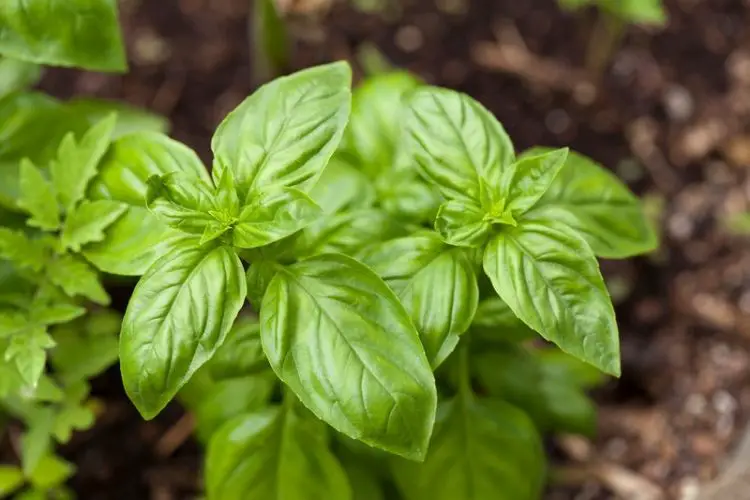
5 Easy Plants to Grow for Beginners
When diving into the world of gardening as a beginner, selecting the right plants can make all the difference in your success. If you’re looking for easy plants to grow for beginners, consider starting with some classics like succulents, spider plants, pothos, peace lilies, and snake plants. These plants are not only low maintenance but also resilient to occasional neglect. They thrive in various indoor environments, making them perfect for those just starting out on their gardening journey. With these easy-to-care-for plants, you’ll soon find yourself enjoying the benefits of gardening without the stress of high maintenance.
Tips for Successful Plant Care
When it comes to caring for your plants, consistency is key. Make sure to water them regularly, but not too much – overwatering can be just as harmful as underwatering. Keep an eye on the soil moisture levels and adjust your watering schedule accordingly. Additionally, ensure your plants are getting enough sunlight. Most indoor plants thrive in bright, indirect light, while outdoor plants may need more direct sunlight. Finally, don’t forget to fertilize your plants periodically to provide them with essential nutrients for growth. By following these simple tips, you’ll set yourself up for success in your gardening journey.
Common Mistakes to Avoid as a Beginner Gardener
When starting your gardening journey, it’s crucial to be aware of some common pitfalls that many beginners fall into. One of the most significant mistakes is choosing plants that are too challenging to care for. Remember, as a novice gardener, it’s best to start with easy plants to grow for beginners. Another mistake is overwatering or underwatering your plants. Finding the right balance is key to their survival. Additionally, not providing enough sunlight or placing plants in the wrong type of soil can hinder their growth. By avoiding these mistakes and doing your research, you can set yourself up for a successful gardening experience.
Read also about: Tips for Growing Delicious Carrots
Start Your Gardening Journey Today
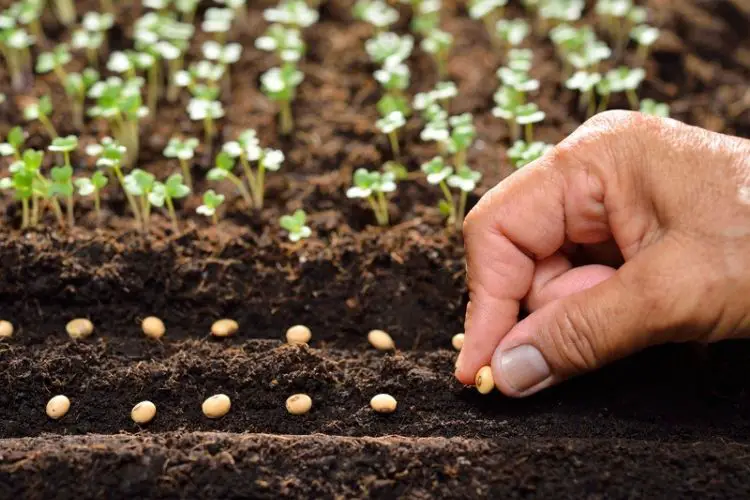
Embarking on a gardening journey as a beginner may seem daunting, but the benefits far outweigh any initial fears. By selecting the right plants, such as the easy-to-grow options recommended in this guide, you can set yourself up for success. Remember, gardening is a journey of growth and learning, so don’t be afraid to make mistakes along the way. By following the tips provided and avoiding common pitfalls, you’ll soon find yourself immersed in the joy of watching your plants thrive. So why wait? Start your gardening journey today and unlock the countless rewards that come with nurturing your own little green paradise.
FAQ: Easy Plants to Grow for Beginners
What are some easy plants for beginners to grow?
Looking for plants that are perfect for beginners? Consider starting with low-maintenance options like succulents, pothos, spider plants, and snake plants. These plants are hardy, forgiving, and relatively easy to care for, making them ideal choices for those new to gardening.
How often should I water my plants?
One of the most common mistakes new gardeners make is overwatering their plants. Remember that different plants have different water needs, so it’s essential to do your research. As a general rule of thumb, it’s better to underwater than overwater. Check the soil moisture level before watering to prevent root rot.
Do I need to fertilize my plants?
While some plants benefit from regular fertilization, many beginner-friendly plants are perfectly content without it. However, if you notice slow growth or yellowing leaves, it might be time to introduce a balanced fertilizer. Remember to follow the instructions on the packaging and avoid overfertilizing, as this can harm your plants.
How much sunlight do my plants need?
Light requirements vary depending on the plant species, so it’s crucial to understand your plant’s specific needs. Some plants thrive in bright, indirect light, while others prefer direct sunlight. Pay attention to your plant’s behavior—if it starts to yellow or droop, it might be getting too much or too little light.
What should I do if my plant’s leaves turn yellow?
Yellow leaves can be a sign of various issues, including overwatering, underwatering, pests, or nutrient deficiencies. Assess your plant’s environment and care routine to determine the cause. Adjust watering, lighting, or soil quality accordingly. If the problem persists, consider consulting a gardening expert for advice.
How can I prevent pests from infesting my plants?
Pests can wreak havoc on your plants, so it’s essential to take preventive measures. Regularly inspect your plants for signs of pests, such as yellowing leaves, sticky residue, or holes. Consider using natural pest control methods like neem oil or insecticidal soap. Quarantine infected plants to prevent the spread of pests.
What are some additional tips for successful plant care?
To ensure your plants thrive, remember to repot them when they outgrow their containers, prune them to promote healthy growth, and rotate them regularly to ensure even sunlight exposure. Pay attention to your plants’ individual needs and enjoy the process of nurturing them to maturity.
Conclusion
Growing plants can be a rewarding experience, especially when you choose the right ones for your skill level. By selecting easy-to-care-for plants, monitoring their growth, and adapting your care routine as needed, you can create a lush and thriving indoor garden. Remember to be patient with yourself and your plants, as learning to care for them is all part of the journey. Happy gardening!
Also Read: Tips for Growing Lush Cilantro Plants