
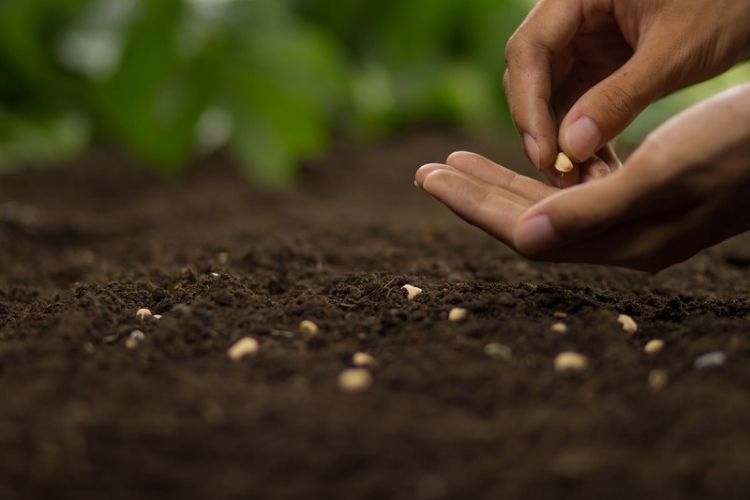
Planting seeds is a magical process that connects us to the cycle of life. Whether you’re a seasoned gardener or just starting out, there’s something truly special about nurturing a tiny seed into a thriving plant. Choosing the best time to plant seeds is crucial for their success, as it sets the foundation for healthy growth. By understanding the factors that influence seed planting and following some essential tips, you can embark on a rewarding journey of watching your garden flourish right before your eyes.
Best Time to Plant Seeds Guide
| Plant Type | Best Time to Plant | Soil Temperature | Additional Tips |
|---|---|---|---|
| Tomatoes | Early Spring | 60-85°F | Start indoors 6-8 weeks before last frost |
| Sunflowers | Late Spring | 50-85°F | Direct sow after last frost date |
| Carrots | Early Spring/Fall | 45-85°F | Loose soil for best growth |
Factors to Consider When Planting Seeds
When deciding on the best time to plant seeds, there are several key factors to keep in mind. Firstly, consider the specific requirements of the seeds you are planting. Different plants thrive in different conditions, so it’s essential to understand the needs of each type of seed. Additionally, take into account the climate and weather patterns in your area. Some seeds may require a certain temperature range or amount of sunlight to germinate successfully. Soil quality is another crucial factor to consider. Ensure that the soil is well-draining and nutrient-rich to support healthy growth. Lastly, consider the timing of planting in relation to the plant’s natural growing season. By carefully considering these factors, you can increase the likelihood of successful seed germination and plant growth.
Key Takeaways:
1. Understand the specific requirements of the seeds you are planting.
2. Consider the climate and weather patterns in your area.
3. Ensure the soil is well-draining and nutrient-rich.
4. Take into account the timing of planting in relation to the plant’s natural growing season.
Best Time to Plant Seeds in Spring
Spring is a season of renewal, making it the perfect time to get your hands dirty and start planting seeds. The soil is warming up, the days are getting longer, and plants are beginning to bloom. It’s like nature’s way of saying, “Hey, let’s grow something together!” Whether you’re a seasoned gardener or a newbie with a green thumb, spring offers the ideal conditions for seeds to germinate and thrive. So, grab your gardening gloves, pick out your favorite seeds, and get ready to sow the seeds of tomorrow in the bountiful springtime soil.
Best Time to Plant Seeds in Summer
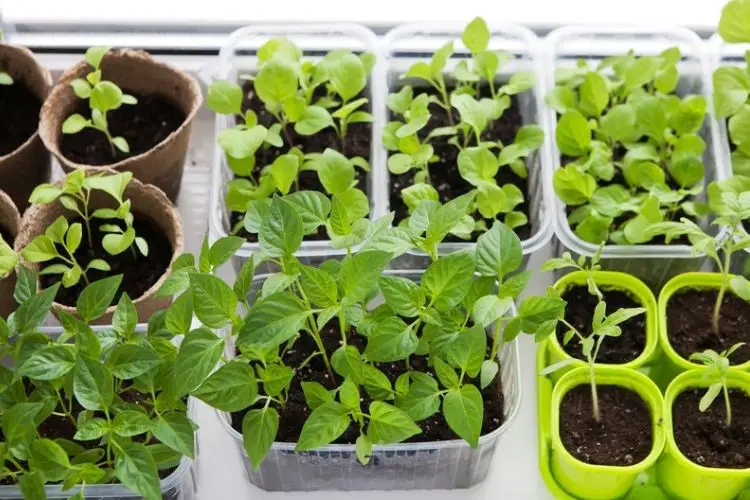
Planting seeds in the summer can be a bit tricky due to the scorching heat. It’s crucial to choose heat-tolerant plants like tomatoes, peppers, and sunflowers. These plants thrive in the warmth and sunlight of the summer months. To ensure successful seed planting during this time, it’s essential to water your seeds regularly to prevent them from drying out in the heat. Consider planting your seeds in the early morning or late evening to avoid the peak sun hours. With a little extra care and attention, you can enjoy a bountiful harvest from your summer seed planting endeavors.
Best Time to Plant Seeds in Fall
When it comes to planting seeds in the fall, timing is everything. As the temperatures start to cool down and the days become shorter, it’s the perfect opportunity to get those seeds in the ground. Fall planting allows the seeds to establish strong roots before the harsh winter conditions set in. Plus, the moisture from the autumn rains helps to keep the soil moist and conducive to seed germination. So, whether you’re planting bulbs for spring blooms or cool-weather vegetables like kale and spinach, fall is the ideal time to sow those seeds and watch them flourish.
Best Time to Plant Seeds in Winter
Planting seeds in winter may seem counterintuitive, but there are certain plants that thrive when sown during this chilly season. Winter seeds like garlic, onions, and certain types of flowers actually benefit from the cool temperatures and moist soil. By planting these seeds in winter, you give them a head start, allowing them to establish strong roots before the warmth of spring arrives. It’s important to choose seeds that are well-suited for the winter climate in your region, ensuring they have the best chance of success. So, don’t let the frosty weather deter you – embrace the opportunity to plant seeds and watch them grow into beautiful plants come springtime.
Check out these Essential Tips for Growing Grapes!
Tips for Successful Seed Planting
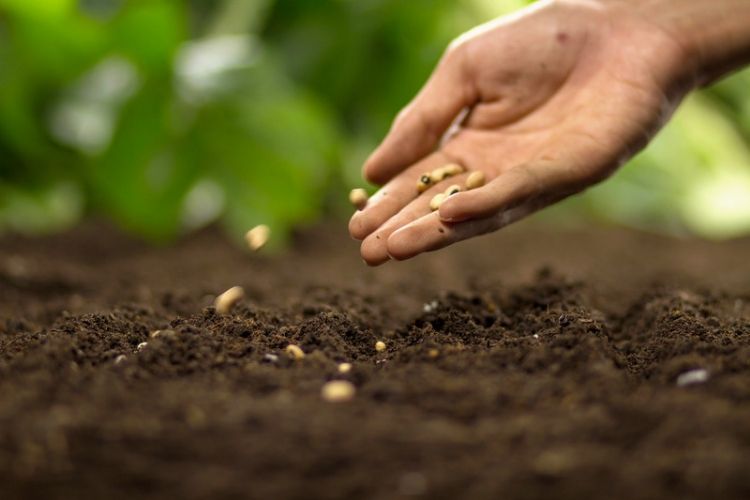
Planting seeds can be a rewarding experience, but it requires careful attention to detail to ensure success. One essential tip for successful seed planting is to prepare the soil properly before sowing the seeds. Make sure the soil is well-drained, fertile, and free of weeds to give your seeds the best chance to thrive. Additionally, it’s crucial to plant seeds at the right depth and spacing to promote healthy growth. Another important tip is to water seeds consistently, keeping the soil moist but not waterlogged. By following these tips and monitoring your seeds’ progress, you can enjoy a bountiful harvest of beautiful plants.
Frequently Asked Questions about the Best Time to Plant Seeds
How do I determine the best time to plant seeds?
Planting seeds at the right time depends on factors like your location, the type of seeds, and the weather. Research the specific requirements for the seeds you have, consider your local climate, and consult gardening resources for guidance.
Can I plant seeds too early in the season?
Yes, planting seeds too early can expose them to frost or other harsh conditions. Be patient and wait for the optimal time recommended for the specific type of seeds you have.
Is it possible to plant seeds too late?
Planting seeds too late in the season can result in insufficient time for them to grow and mature before the weather changes. Aim to plant seeds at the recommended time frame to give them the best chance of success.
What are some general guidelines for planting seeds?
In general, planting seeds should be done when the soil temperature is suitable for germination, and after the risk of frost has passed. Follow the instructions on the seed packet for specific guidance.
Are there any indicators in nature that can help me determine the best time to plant seeds?
Yes, observing the behavior of plants and animals in your area can provide valuable insights into the best time to plant seeds. Look for signs like blooming flowers, buzzing bees, or migrating birds as indicators of seasonal changes.
Should I consider the phases of the moon when planting seeds?
Some gardeners believe that planting seeds during specific phases of the moon can affect their growth. While scientific evidence may be lacking, you can experiment with planting during different moon phases to see if it makes a difference in your garden.
What are the benefits of planting seeds at the optimal time?
Planting seeds at the right time can lead to healthier plants, better yields, and a more successful garden overall. By timing your planting correctly, you give your seeds the best chance to thrive in their environment.
Conclusion
Planting seeds at the best time is crucial for a successful garden. By considering factors like your location, seed type, and local climate, you can maximize your chances of growing healthy plants. Remember to be patient, observe nature’s cues, and follow recommended guidelines for planting to ensure a bountiful harvest.
Also Read: Discover the Ultimate Soil Mix for Your Vegetable Garden