
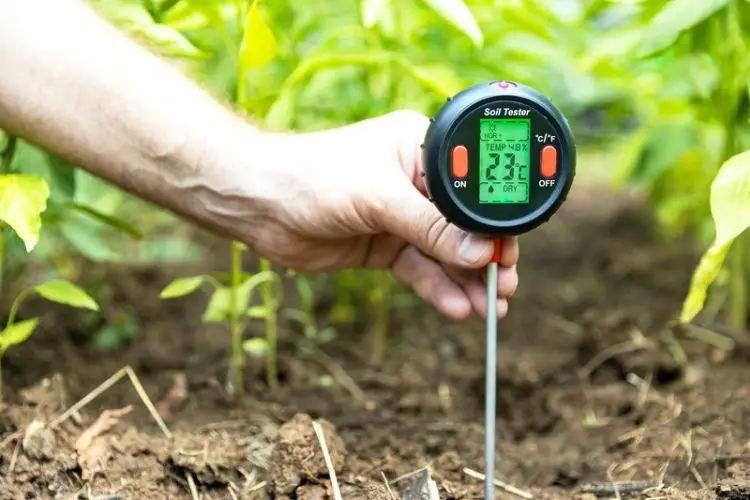
Are you ready to dive into the world of root vegetable gardening? Choosing the best soil for growing root vegetables is crucial for a successful harvest. It’s like laying the foundation for a sturdy house; without the right soil, your veggies won’t have a stable base to thrive in. Join me on this journey to discover the importance of soil selection, the characteristics of ideal soil, and valuable tips to prepare your garden bed. Let’s dig deep and unearth the secrets to growing healthy, vibrant root vegetables.
Best Soil for Growing Root Vegetables
| Vegetable Type | Optimal Soil pH | Soil Texture | Drainage Needs | Fertilization Requirements | Common Varieties |
|---|---|---|---|---|---|
| Carrots | 6.0-6.8 | Sandy loam | Well-draining | Regular, balanced feedings | Nantes, Danvers, Chantenay |
| Beets | 6.0-7.5 | Loamy | Moist but well-draining | High in phosphorus and potassium | Detroit Dark Red, Chioggia, Golden |
| Radishes | 5.8-6.8 | Sandy | Well-draining | Low nitrogen, high potassium | Cherry Belle, French Breakfast, Daikon |
Importance of Choosing the Right Soil for Root Vegetables
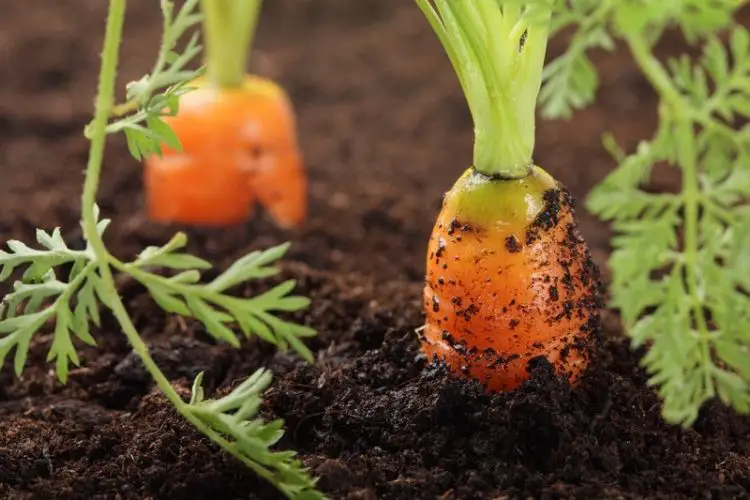
When it comes to growing root vegetables, choosing the best soil is crucial for success. The soil you plant your vegetables in plays a significant role in determining the health, growth, and yield of your crops. Root vegetables, such as carrots, beets, and radishes, require specific soil conditions to thrive. By selecting the right soil, you provide your plants with the necessary nutrients and support for strong root development. Investing time and effort into finding the best soil for growing root vegetables will ultimately lead to a bountiful harvest and delicious produce for you and your family to enjoy.
Characteristics of the Best Soil for Growing Root Vegetables
When it comes to cultivating root vegetables, the soil you choose plays a crucial role in their growth and development. The best soil for these veggies should be loose, well-draining, and rich in organic matter. This allows the roots to penetrate easily and absorb essential nutrients for healthy growth. Additionally, the soil should have a neutral pH level to ensure optimal nutrient uptake. By providing a loose, well-draining, and nutrient-rich environment, you are creating the perfect conditions for your root vegetables to thrive and produce abundant yields. So, selecting the right soil is the first step towards a successful harvest.
Tips for Preparing the Soil for Root Vegetables
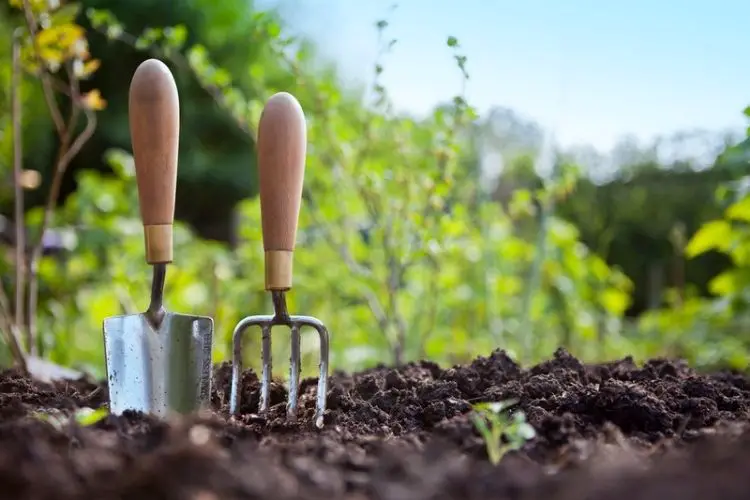
When it comes to cultivating a thriving garden full of delicious root vegetables, the foundation lies in the soil. The best soil for growing root vegetables is rich in organic matter, well-draining, and loose in texture. To prepare the soil, start by loosening it with a garden fork to improve aeration and root penetration. Remove any rocks or debris that could hinder growth and add compost or well-rotted manure to boost nutrient levels. Remember to test the pH levels of the soil and adjust accordingly to create the optimal growing environment for your root vegetables. By taking these steps, you’ll ensure your plants have the best possible chance to flourish and produce a bountiful harvest.
Best Soil Amendments for Root Vegetables
When it comes to growing root vegetables, the right soil amendments can make all the difference in the health and yield of your crops. One of the best amendments you can add to your soil is compost, which helps improve soil structure, adds essential nutrients, and promotes beneficial microorganisms. Another fantastic option is aged manure, which provides a rich source of organic matter and nutrients that root vegetables love. Additionally, incorporating vermiculite or perlite can help improve soil drainage and aeration, ensuring that your root vegetables have the perfect environment to thrive. Don’t underestimate the power of these soil amendments in creating the best possible growing conditions for your root vegetables.
Common Mistakes to Avoid When Choosing Soil for Root Vegetables
When it comes to cultivating a thriving garden full of root vegetables, choosing the best soil for growing root vegetables is crucial. However, there are common mistakes that many gardeners make when selecting soil that can hinder the growth of their plants. One of the most significant errors is using soil that is too compacted, which restricts root growth and prevents proper aeration. Another mistake is failing to test the soil’s pH levels, as different root vegetables thrive in varying pH environments. Additionally, using soil that lacks essential nutrients can lead to stunted growth and poor yields. By avoiding these mistakes and opting for the best soil for growing root vegetables, you can set your garden up for success.
Read also about: Tips for Growing Juicy Tomatoes
Conclusion
Choosing the best soil for growing root vegetables is crucial for a successful harvest. By understanding the importance of soil composition, characteristics, and proper preparation techniques, you can ensure your root vegetables thrive and produce bountiful yields. Remember to focus on well-draining, loose soil with adequate nutrients and pH levels tailored to the specific needs of root vegetables. Avoid common mistakes like compacted soil, inadequate drainage, and improper amendments that can hinder growth. With the right soil and care, you can enjoy a plentiful harvest of delicious, nutritious root vegetables straight from your garden. Happy planting!
FAQ
What is the best soil for growing root vegetables?
When it comes to growing root vegetables, the best soil is one that is loose, well-draining, and rich in organic matter. A mix of sandy loam soil with compost or aged manure works great for promoting healthy root development.
How often should I water my root vegetables?
Root vegetables like consistent moisture, so it’s essential to water them regularly, especially during hot and dry periods. However, it’s crucial to avoid overwatering as it can lead to root rot. Checking the soil moisture and adjusting your watering schedule accordingly is key.
Do root vegetables need full sun to grow?
While some root vegetables thrive in full sun, others can tolerate partial shade. In general, most root vegetables prefer at least 6 hours of sunlight a day for optimal growth. Consider the specific needs of the root vegetable you are growing to ensure it gets the right amount of sunlight.
How can I prevent pests from damaging my root vegetables?
To prevent pests from damaging your root vegetables, consider using natural pest control methods such as companion planting, row covers, or homemade organic sprays. Keeping your garden clean and free of debris can also help reduce pest infestations.
When is the best time to harvest root vegetables?
The best time to harvest root vegetables is when they reach maturity, which varies depending on the type of vegetable. Generally, root vegetables are ready to harvest when they have reached a good size and color. Avoid leaving them in the ground for too long as they can become woody or bitter.
Can I grow root vegetables in containers?
Yes, you can definitely grow root vegetables in containers, as long as the containers are large enough to accommodate the root systems of the vegetables. Make sure the containers have good drainage to prevent waterlogging, and use a high-quality potting mix to provide the necessary nutrients for healthy growth.
What are some common mistakes to avoid when growing root vegetables?
Some common mistakes to avoid when growing root vegetables include planting them too closely together, neglecting to thin them out as they grow, and not providing enough nutrients through fertilization. It’s essential to follow spacing recommendations, thin out seedlings as needed, and feed your plants regularly to ensure a successful harvest.
Conclusion
Growing root vegetables can be a rewarding experience when you provide the right growing conditions and care for your plants. By choosing the best soil, watering consistently, providing adequate sunlight, preventing pests, harvesting at the right time, and avoiding common mistakes, you can enjoy a bountiful harvest of delicious root vegetables from your garden.
Also Read: Tips for Growing Delicious Pineapples