
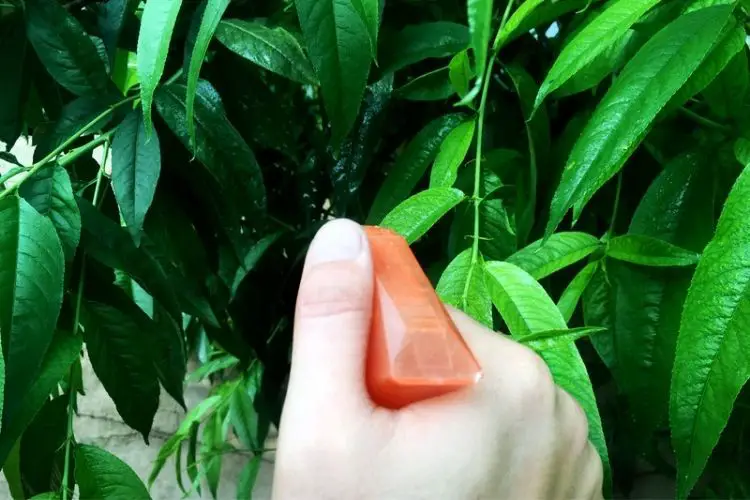
When it comes to maintaining a thriving home garden, one of the most important aspects to consider is pest control. Choosing the best pesticides for home gardens can be a daunting task, with so many options available on the market. It’s crucial to strike a balance between effectively managing pests and minimizing harm to the environment and beneficial insects. Understanding the different types of pesticides, from organic to synthetic, is essential in making an informed decision for your garden’s health and longevity.
Best Pesticides for Home Gardens
| Pesticide Brand | Active Ingredient | Target Pests | Application Method | Effectiveness | Safety Precautions |
|---|---|---|---|---|---|
| Miracle-Gro | Neem Oil | Aphids, Caterpillars, Mealybugs | Spray | High | Wear gloves and protective clothing |
| Bonide | Pyrethrin | Beetles, Moths, Thrips | Dust or Spray | Medium | Avoid contact with skin and eyes |
| Ortho | Spinosad | Caterpillars, Leafminers, Thrips | Spray | High | Keep pets and children away during application |
Organic Pesticides for Home Gardens
When it comes to choosing the best pesticides for your home garden, organic options are often a top choice for many environmentally-conscious gardeners. These natural pesticides are derived from plants, animals, or minerals, making them safer for both your plants and the surrounding ecosystem. Organic pesticides work in harmony with nature, targeting specific pests while minimizing harm to beneficial insects and wildlife. Not only are they effective at controlling pests, but they also have the added benefit of being safer for pets and children who may come into contact with treated plants. Consider incorporating organic pesticides into your gardening routine for a more sustainable and eco-friendly approach to pest control.
Key takeaways:
1. Organic pesticides are derived from natural sources.
2. They are safer for plants, animals, and the environment.
3. Organic pesticides target specific pests while preserving beneficial insects.
4. These pesticides are effective at controlling pests in home gardens.
5. Organic pesticides are safer for pets and children.
6. Consider using organic pesticides for a sustainable and eco-friendly approach to pest control.
Synthetic Pesticides for Home Gardens
When it comes to synthetic pesticides for your home garden, it’s essential to consider the potential risks and benefits. While synthetic pesticides are often more potent and effective at eliminating pests, they also come with a higher level of toxicity and environmental impact. These pesticides are typically manufactured in a lab and contain chemicals that may linger in the soil and harm beneficial insects and wildlife. It’s crucial to follow label instructions carefully and use these pesticides sparingly to minimize any adverse effects on your garden and the surrounding ecosystem. Remember, the best pesticides are not only effective but also safe for your plants, family, and the environment.
Considerations for Choosing the Best Pesticides
When it comes to selecting the best pesticides for your home garden, it’s essential to consider a few key factors. First and foremost, think about the specific pests you are dealing with and choose a pesticide that targets them effectively. Additionally, consider the impact of the pesticide on beneficial insects, such as bees and ladybugs, which play a crucial role in pollination and pest control. Another important consideration is the potential harm to the environment and human health. Opt for pesticides that are labeled as environmentally friendly and safe for use around pets and children. By carefully weighing these factors, you can make an informed decision on the best pesticides for your home garden.
Safe Application of Pesticides in Home Gardens
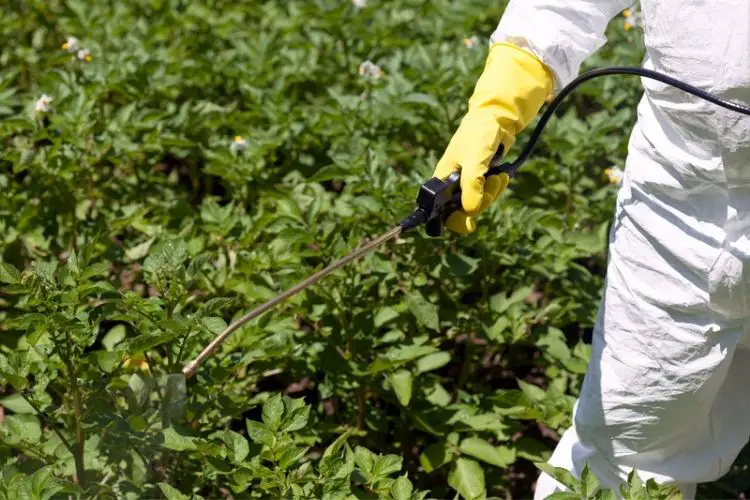
When it comes to using pesticides in your home garden, safety should always be a top priority. Before applying any pesticide, carefully read and follow the manufacturer’s instructions. Wear appropriate protective gear such as gloves, goggles, and a mask to avoid skin contact and inhaling harmful chemicals. Make sure to apply pesticides on a calm day to prevent drift, which could harm beneficial insects or nearby plants. Also, be mindful of the recommended dosage and frequency of application to avoid overusing pesticides. By taking these precautions, you can effectively protect your plants while minimizing potential risks to yourself and the environment.
Alternative Pest Control Methods for Home Gardens
When it comes to keeping your home garden free from unwanted pests, there are plenty of options beyond traditional pesticides. One effective method is companion planting, where certain plants are grown together to naturally repel pests. For example, planting marigolds alongside tomatoes can help deter nematodes. Another eco-friendly option is using insecticidal soaps or oils, which are less harmful to beneficial insects and the environment. Additionally, introducing beneficial insects like ladybugs or praying mantises can help control pest populations in a natural and sustainable way. These alternative methods not only protect your garden but also promote biodiversity and ecological balance. Consider trying out these innovative approaches before reaching for the conventional pesticides.
Read also about: Discover the Secrets to Growing Juicy Tomatoes
Conclusion and Final Thoughts on Choosing the Best Pesticides for Home Gardens
So, after exploring the world of home garden pesticides, it’s clear that there are various options available, each with its own set of pros and cons. When deciding on the best pesticide for your garden, it’s essential to consider factors like effectiveness, safety, and environmental impact. Organic pesticides offer a natural approach, while synthetic pesticides provide quick results. However, the key is to find a balance between efficacy and sustainability. Remember, the health of your plants, the environment, and your family are all interconnected. By making informed choices and using pesticides responsibly, you can create a flourishing garden that thrives for years to come.
FAQ: Best Pesticides for Home Gardens
What are the most effective pesticides for controlling pests in home gardens?
When it comes to keeping your precious plants safe from pesky pests, the best pesticides are often those that are natural and environmentally friendly. Look for options like neem oil, diatomaceous earth, or insecticidal soap to effectively control common garden pests without harming beneficial insects.
How can I determine which pesticide is safe to use in my home garden?
Before using any pesticide in your home garden, always read the label carefully to ensure it is safe for edible plants and pets. Additionally, consider the environmental impact of the pesticide and opt for organic or OMRI-certified products whenever possible.
Are there any homemade pesticide recipes that are effective for home gardens?
Yes, there are several homemade pesticide recipes that can be effective for controlling pests in home gardens. Ingredients like garlic, cayenne pepper, and soap can be combined to create a natural pest control spray that is safe for both your plants and the environment.
How often should I apply pesticides in my home garden?
The frequency of pesticide application in your home garden will depend on the type of pests you are dealing with and the specific pesticide you are using. In general, it is best to apply pesticides as needed rather than on a strict schedule to avoid overuse and potential harm to beneficial insects.
What are some alternative pest control methods I can use in my home garden?
In addition to pesticides, there are several alternative pest control methods you can use in your home garden. Companion planting, attracting beneficial insects, and hand-picking pests are all effective ways to control pests without resorting to chemicals.
Can pesticides harm beneficial insects in my home garden?
Yes, some pesticides can harm beneficial insects in your home garden if not used properly. To minimize the impact on beneficial insects, it is important to use pesticides sparingly and target only the pests that are causing damage to your plants.
Are there any natural ways to prevent pests in my home garden without using pesticides?
Absolutely! There are several natural ways to prevent pests in your home garden without resorting to pesticides. Planting pest-resistant varieties, maintaining healthy soil, and practicing good garden hygiene are all effective ways to keep pests at bay naturally.
Conclusion
Finding the best pesticides for your home garden can be a daunting task, but it doesn’t have to be. By choosing natural, environmentally friendly options and incorporating alternative pest control methods, you can keep your plants healthy and thriving without harming the ecosystem. Remember, a little bit of prevention goes a long way in maintaining a beautiful garden!
Also Read: Growing Asparagus Like a Pro!